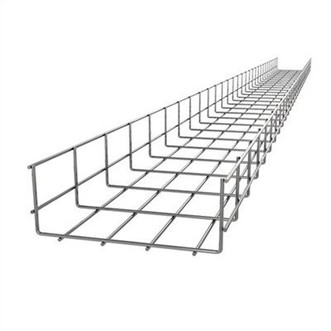
The difference between hot galvanizing and cold galvanizing: hot galvanizing sheet is hot-rolled galvanized sheet, and cold galvanizing sheet is cold-rolled galvanized sheet. In terms of materials, the composition of the two galvanized sheets is basically similar The difference is that the cold galvanized sheet is thinner than the hot-dip galvanized sheet, with better surface quality and more complex process The price is also higher In terms of technology, the steel is sent from the billet to the hot rolling mill and rolled into a certain thickness of plate, such as about 10mm thick. If the user has no higher requirements for the surface, thickness and mechanical strength of the plate, the finished product can be processed, such as galvanizing, which is sold directly, that is, hot plate If there are higher requirements for plates, then the hot-rolled plates will be sent to the cold rolling line for re processing. After pickling, annealing, re rolling and other processes, the thinner, smooth surface and better mechanical properties of cold-rolled plates will be obtained
Hot dip galvanizing: hot dip galvanizing is to immerse the steel members after rust removal into the molten zinc at a high temperature of about 600 ℃, so that the surface of the steel members is attached with a zinc layer. The thickness of the zinc layer shall not be less than 65 for thin plates less than 5mm μ m. Not less than 86 for thick plate μ m。 So as to prevent corrosion. Hot dip galvanizing, as an effective way of metal corrosion prevention, has been widely used in metal structures and facilities in various industries.
Cold galvanizing coatings are mainly used for corrosion prevention based on the principle of electrochemistry. Hot dip galvanizing is a method of immersing steel components in molten zinc to obtain a metal coating. The corrosion resistance of hot galvanizing is higher than that of cold galvanizing. Moreover, hot galvanizing will not rust in a few years, while cold galvanizing will rust in three months.
The zinc layer of hot-dip galvanizing itself is relatively thick, with a thickness of more than 10um. Although the surface is bright, it is rough, and there will be zinc flowers. The zinc layer of cold galvanizing is very thin, only 3-5um thick. Although the surface is smooth, it will be gray and dirty, with good processing performance and insufficient corrosion resistance.