Zhenjiang ACE Electric Group CO., LTD

Bus Duct

What is Bus Duct?


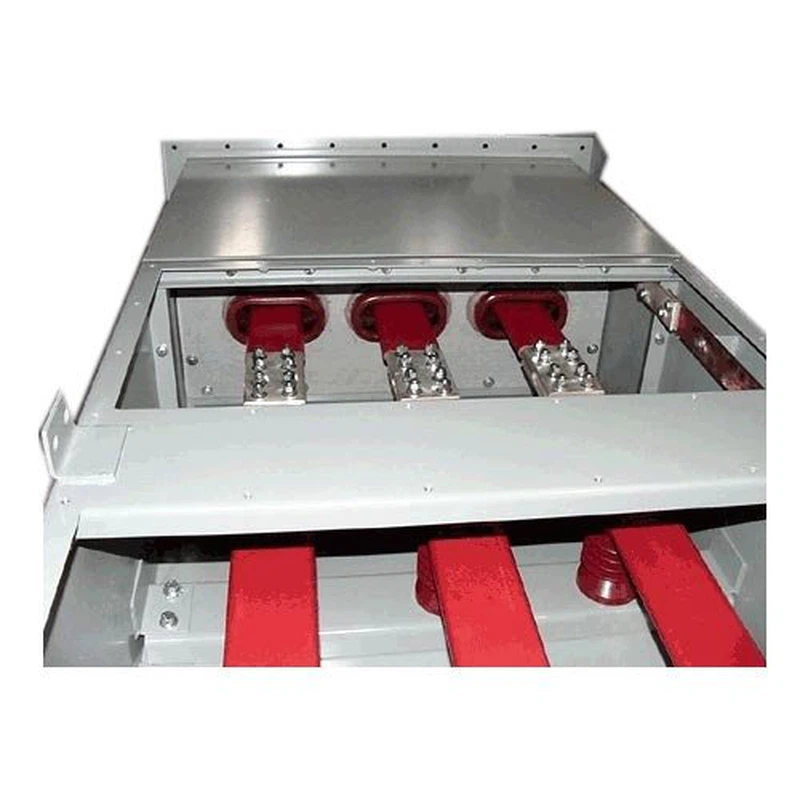
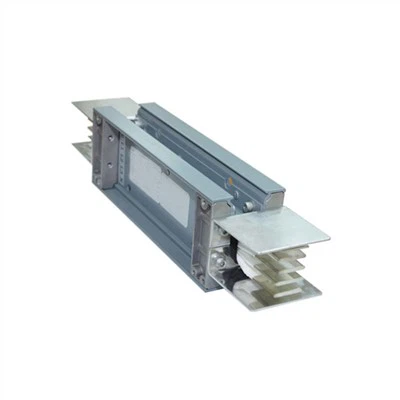
In electric power distribution, a bus duct is a sheet metal duct or also cast resin insulated containing either copper or aluminium busbars for the purpose of conducting a substantial current of electricity. It is an alternative means of conducting electricity to power cables or cable bus.

Why Choose Us

Professional service

The company has a perfect customer service, the service into every detail of the work.


Quality assurance

Our expertise in Cable Tray Accessories manufacturing ensures that our products are always of the highest quality.

Delivery On Time

Our team is committed to providing timely and efficient delivery, ensuring that your orders arrive on time and in perfect condition.

24h online service

You can contact us to inquire about pre-sales, sales, and after-sales services, and we will give you a very satisfactory We are at your service online 24 hours a day.
Advantages of Bus Duct


1. Improved flexibility and easy installation

One of the significant advantages of using bus ducts is their flexibility and ease of installation. Unlike traditional cable systems, bus ducts can be easily installed and reconfigured as per the changing requirements of the electrical system. This flexibility allows for modifications and expansions without the need for extensive rewiring.

2. Enhanced efficiency

Another benefit of bus ducts is their ability to enhance the overall efficiency of the electrical system. Bus ducts have lower impedance compared to cables, which results in reduced power losses during transmission. The lower impedance also improves voltage regulation and reduces the voltage drop across the system, thus ensuring a more reliable and stable power supply.

3. Increased safety

Safety is a paramount concern in electrical systems, and bus ducts contribute significantly to ensuring a safe operating environment. Bus ducts are designed to withstand high levels of fault current and provide better fault protection compared to cables. In the event of a fault or electrical overload, bus ducts can quickly isolate the faulty section, preventing damage to other parts of the system.

4. Improved reliability

Reliability is a critical factor in electrical systems, and bus ducts play a vital role in enhancing system reliability. The use of bus ducts reduces the risk of loose connections and corrosion commonly associated with traditional cable systems. The solid and rigid construction of bus ducts ensures better electrical conductivity and minimizes voltage drops, resulting in a reliable power supply to the connected equipment.

Types of Bus Duct


modular-1

Plug-in bus duct

Plug-in bus duct is mostly used to transfer electricity along the length of a building. These are well-known in the market because of their unique design, hi-technology, safety and cost-effective operation.

 
modular-2

Cable bus duct

This type of bus duct is mostly used for conducting large currents between devices. And the best thing about cable bus duct is that it is very lower in price in comparison to any other types of bus duct.


modular-3

Sandwich bus duct

This type of bus ductbecause of its strong structure, easy access, innovative design, low voltage drop and long life mostly in demand to distribute power from panels to different type of floors of building.

 
modular-4

11KV bus duct

11KV bus duct mostly used to connecting different switchgears and linking main power to the entire building. It is very well-known for its strong structure and able to handle any climate pressure.

 
productcate-626-468


Material of Bus Duct

A bus duct is a sheet metal duct containing either aluminum or copper busbars (metallic strips or bars that conduct a substantial electrical current) in a grounded metal enclosure. Bus duct is easy to maintain and flexible, helping to accommodate changing load requirements.


Application of Bus Duct

Busway is used as an alternative to cable and conduit and is commonly found throughout mission critical facilities, data centres, industrial facilities, large residential complexes, petrochemical and electrical utilities.

productcate-640-480
 
Process of Bus Duct


Design

The first step in the process is the design of the bus duct. This involves identifying the requirements of the system and determining the type of bus duct that will be installed.

Manufacturing

The manufacturing process involves cutting and bending the metal sheets, drilling holes for the bus bars, and assembling the different components.

Installation

After the bus duct has been manufactured, it is installed in the system. This involves laying the duct in the right position and fitting it with the necessary connectors and supports.

Testing

Once the bus duct has been installed, it is tested to ensure that it is functioning properly. This involves checking the insulation resistance, the electrical continuity, and the voltage drop.

Benefits of Preventive Maintenance on Bus Ducts
productcate-800-450
01

It prevents equipment damage

An electrical bus duct, being the center stage of electrical supply equipment is prone to damage and failure. This is because no matter how good the system is, dust, and weather elements can always affect it. In addition, without frequent preventive maintenance, the bus ducts are bound to fail and consequently affect the whole supply system.

02

Prevention of power outages

Power supply outages are the worst things that can happen to anyone. In most cases, power outages occur because of a faulty power bust duct, leading to broken power supply equipment. Although other aspects such as buying faulty equipment and faulty power connections maybe some of the reasons for power outages, the main reason behind a power outage is a result of a lack of proper preventive maintenance of the bus duct.

productcate-800-450
productcate-800-450
03

It saves time and resources

Lack of proper maintenance on the bus duct often leads to frequent repairs and maintenance on the electrical supply. Professionals must conduct such repairs and maintenance only, and this comes at hefty charges. Failed electrical bus ducts may sometimes lead to electrical failures and accidents such as fires and electrocution. To avoid such cases, conduct regular preventive maintenance on your electrical bus ducts and your entire electrical system will function normally.

04

House occupants are more satisfied

Preventive bus duct maintenance works by ensuring steady power supply and fewer electrical risks associated with a faulty electrical system. The fewer the electrical risks and issues, the happier the tenants.

productcate-800-450


How to Choose Bus Duct


Material selection
The material used for the bus duct plays a significant role in its performance and durability. Common materials include aluminum, copper, and steel. Aluminum bus ducts are lightweight, corrosion-resistant, and have a good conductive property. They are suitable for indoor and outdoor applications and can withstand harsh environmental conditions. Copper bus ducts are more expensive but offer better conductivity and corrosion resistance.


Bus duct configuration
Bus ducts come in various configurations, such as straight bus ducts, elbow bus ducts, and branch bus ducts. The configuration you choose depends on the layout of your electrical system and the specific requirements of your application. Straight bus ducts are the most common and versatile type, suitable for simple layouts. Elbow bus ducts are used to change the direction of the bus bar, while branch bus ducts are used to connect multiple bus bars.


Bus duct size
The size of the bus duct is determined by the capacity of the electrical system and the required current load. It is important to choose a bus duct size that can handle the expected load without overheating or causing any safety hazards. The size of the bus duct should be in accordance with the relevant industry standards and regulations.


Bus duct accessories
Bus ducts come with various accessories, such as bus duct connectors, bus duct elbows, and bus duct supports. These accessories help in ensuring the proper installation and functioning of the bus duct system. It is essential to choose high-quality accessories that are compatible with the bus duct system and can withstand the expected loads.


How to Install Bus Duct
 
01/

Prepare the site
The first step in installing a bus duct is to prepare the site where the duct will be installed. This includes clearing the area of any obstructions and making sure that it is level and stable. It is also important to ensure that the site is accessible to the necessary tools and equipment.

02/

Purchase and receive the bus duct
Once the site is ready, you will need to purchase a bus duct from a reputable supplier. The bus duct should be of the appropriate size and capacity for your needs. Once the bus duct is received, it should be inspected for any damage or defects.

03/

Assemble the bus duct
The bus duct may be shipped in multiple parts, so you will need to assemble it before installing it. This typically involves connecting the various components together and aligning them correctly. It is important to follow the manufacturer's instructions for assembly to ensure that the duct is installed correctly and safely.

04/

Install the bus duct
After the bus duct is assembled, you can begin the installation process. This typically involves positioning the duct in the desired location and securing it in place. The exact installation process will depend on the type of duct being installed and the specific requirements of your project. It is important to use the appropriate tools and techniques for the job to ensure that the duct is installed correctly and safely.

05/

Test the bus duct
Once the bus duct is installed, you will need to test it to ensure that it is functioning correctly. This typically involves running a test run through the duct to check for leaks or other issues. If any problems are discovered, they should be addressed immediately to avoid further damage or safety concerns.

06/

Maintain the bus duct
Once the bus duct is installed and functioning correctly, it is important to maintain it regularly to ensure that it continues to operate safely and efficiently. This typically involves periodic inspections and maintenance procedures, such as cleaning and lubrication.


Things to Note When Using Bus Duct
Non Segregated Bus Duct

Site preparation

Careful preparation of the site is crucial for the installation of a bus duct. The area where the duct will be installed must be clear of any obstacles and level to ensure proper duct performance.


Compact Busbar

Selection and quality of the bus duct

The type and size of the bus duct to be used must be carefully selected based on the specific requirements of the application. It is important to ensure that the bus duct is of good quality and from a reputable manufacturer to ensure its reliability and longevity.

Compact Busbar

Proper installation

The installation of the bus duct must be carried out with great care and attention to detail. Proper installation techniques and methods must be employed to ensure that the duct is installed correctly and safely. This includes proper positioning, alignment, and securing of the duct components.

Compact Bus Duct

Testing and verification

After the bus duct is installed, it is essential to perform a thorough testing and verification process to ensure that it is functioning correctly. This typically involves running tests through the duct to check for leaks, blockages, or other issues. If any problems are discovered, they must be addressed immediately to avoid further damage or safety concerns.


Working Principle Bus Duct


The working principle of a bus duct is based on the concept of a power distribution system. It serves as a centralized pathway for the distribution of power within a building or a complex. The bus duct is typically made of a conductive material like aluminum or copper and is designed to carry high currents. The duct is connected to a central bus bar, which is the main source of power. The power is then distributed to various devices or sections of the building through individual wires. The bus duct system ensures a safe and efficient flow of power, minimizing the chances of power loss or distortion.

 
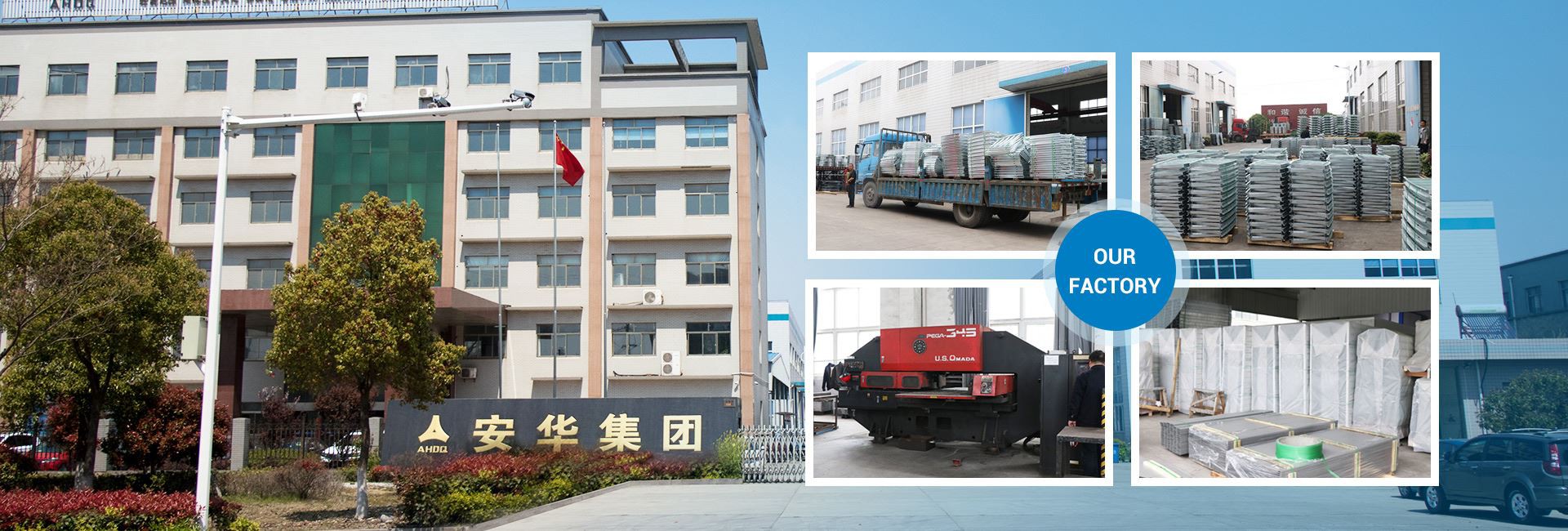
Our Factory


Our company –Anhua mainly produces cable trays, busways and etc.
Our company is a provincial star enterprise, a secondary measurement enterprise and a super credit enterprise. In 2002, the company passed the ISO9001-2000 quality system certification. In 2005, the bus duct and switchgear passed the national 3C compulsory certification.


productcate-1-1

productcate-1-1

FAQ

Q: What is the purpose of a bus duct?

A: In electric power distribution, a bus duct (also called busway) is a sheet metal duct or also cast resin insulated containing either copper or aluminium busbars for the purpose of conducting a substantial current of electricity. It is an alternative means of conducting electricity to power cables or cable bus.

Q: What is the difference between busbar and bus duct?

A: Bus duct is comprised of sheet metal duct containing either aluminum or copper busbars in a grounded metal enclosure. Busbars are metallic strips or bars that conduct a substantial electrical current.

Q: Why use bus duct instead of cable?

A: Busbar compact and sleek design makes it efficient and ensures reliability with tightly compressed conductors inside the structure. Cables require large bend radii that take a lot of space. The steel shell helps in creating a comparatively lower electromagnetic field around a busbar as compared to a cable.

Q: What is the difference between cable tray and bus duct?

A: The cable tray is mainly used for laying power cables and control cables, and the busway is usually used for laying wires and communication cables.

Q: What is the standard rating of a bus duct?

A: 415V, 3Ph+N, 50Hz, 2000Amps, 50KA for 1 second non phase segregated Bus-duct, suitable for indoor installation with necessary degree of protection for enclosure.

Q: What are the different types of bus duct voltage?

A: ANSI standards define voltage classifications for low voltage (up to 600 V), medium voltage (between 600 V and 69 kV) and high voltage (between 69 kV and 230 kV). Extra-high voltage and ultra-high voltage classes are also defined in the ANSI standards.

Q: Is cable bus and bus duct the same?

A: Cable bus is more reliable than bus duct because it utilizes fully insulated power cables that are continuously connected from the source to the load. This eliminates intermediate splices allowing the connections to be done at the equipment terminals.

Q: What is the temperature rise of bus ducts?

A: Verification of temperature rise test is generally recommended for bus ducts having a current rating of more than 400 A. The type and number of joints existing in the bus duct will affect the value of temperature rise and also the stresses on the insulating materials.

Q: What is busway and busbar?

A: Busways and busbars (conductor bars) provide current to distant or moving points along the path of an electrification system. Busbars and busways provide stationary alternatives to reels, festoons, or other retracting or moving electrification supplies.

Q: What are the advantages of bus duct?

A: One of the main reasons to use Cable bus duct is that it's durable in nature. It has a high efficiency. While using the electrical equipment there is always a risk of corrosion, but cable bus duct eliminates that risk.

Q: What are the two types of busway?

A: There are two general types of busway: feeder and plug-in. Feeder busway is used to distribute power to loads that are concentrated in one physical area. Industrial applications frequently involve long runs from the power source to a single load.

Q: What is the difference between busbar and bus duct?

A: Bus duct is comprised of sheet metal duct containing either aluminum or copper busbars in a grounded metal enclosure. Busbars are metallic strips or bars that conduct a substantial electrical current.

Q: What are the different types of bus duct systems?

A: Busduct are classified into various types depending on its application viz isolated phase Busducts, segregated phase busducts, non-segregated phase busducts.

Q: What is the difference between cable tray and bus duct?

A: The cable tray is mainly used for laying power cables and control cables, and the busway is usually used for laying wires and communication cables.

Q: What is the rating of LV bus duct?

A: 415V to 1.1 kV, 1 kA to 7 kA, 100KA for 1 sec and its salient features are 3 Ph 3 wire or 3 Ph 4 wire low voltage Busduct, Mostly Flat Aluminium or Copper busbar used with FRP / SMC / Epoxy insulator as Busbar support.

Q: What is isolated phase bus duct?

A: What is an Isolated Phase Bus? The Isolated Phase Bus (IPB) is used to carry very large currents, typically between a generator and a step-up transformer, in power generation facilities. Each phase conductor is enclosed in its own separate grounded metal housing, with each housing separated from each other by air.

Q: Is cable bus and bus duct the same?

A: Cable bus is more reliable than bus duct because it utilizes fully insulated power cables that are continuously connected from the source to the load. This eliminates intermediate splices allowing the connections to be done at the equipment terminals.

Q: What is the use of bus duct in electrical system?

A: In electric power distribution, a bus duct (also called busway) is a sheet metal duct or also cast resin insulated containing either copper or aluminium busbars for the purpose of conducting a substantial current of electricity. It is an alternative means of conducting electricity to power cables or cable bus.

Q: What is non segregated bus duct?

A: Non-segregated phase bus duct is an assembly of bus conductors with associated connections, joints and insulating supports confined within a metal enclosure without inter-phase barriers. Because of its compact dimensions, relative light weight and user-friendly design, non-segregated phase bus duct is easy to install.

Q: What is an insulated bus?

A: Also referred to as a solid insulated system (SIS), insulated copper and aluminum bus bars are manufactured from solid aluminum or copper conductors, which have a solid insulating medium between each phase conductor and ground.

As one of the most professional bus duct manufacturers and suppliers in China, we're featured by quality products and good service. Please rest assured to wholesale customized bus duct made in China here from our factory.

phase bus duct, 480v bus duct, Busbar
goTop

(0/10)

clearall