Zhenjiang ACE Electric Group CO., LTD

Ladder Cable Tray

What is Ladder Cable Tray?


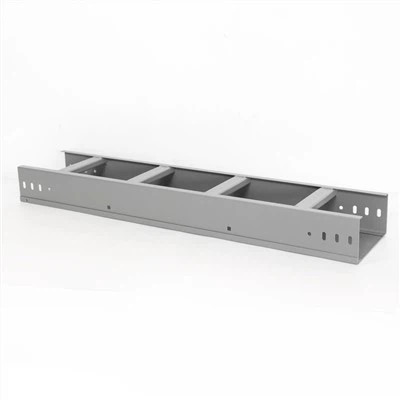
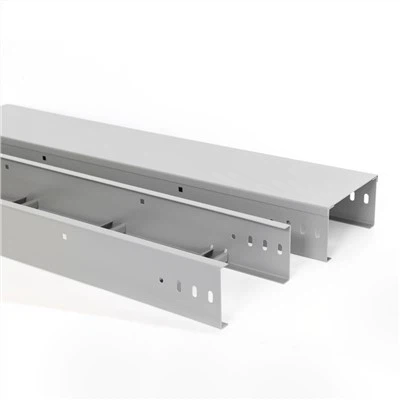
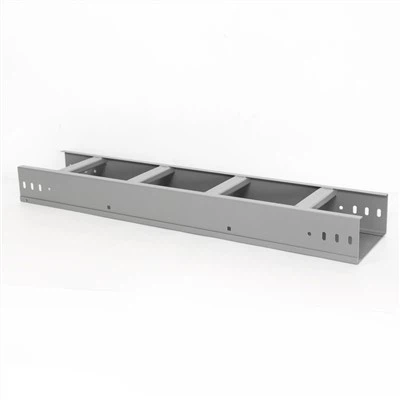
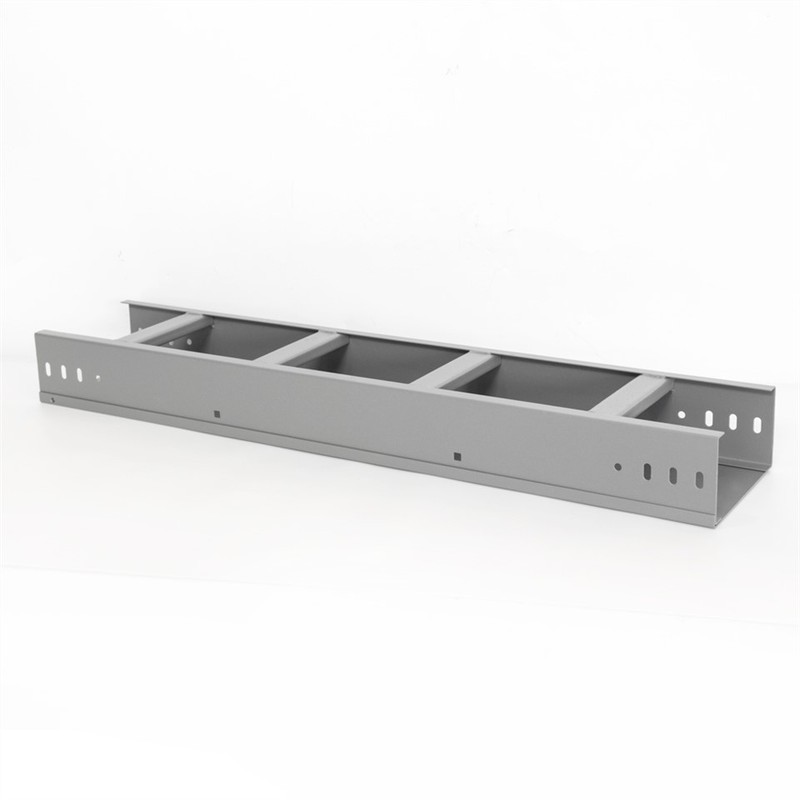
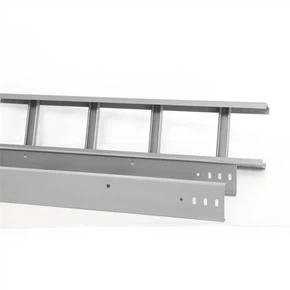
ladder tray, cable runway. Simple design consisting of side rails with rungs connected. The rungs are perforated, which makes it easy to fasten cable ties or cable cleats directly onto the ladder. Suited for electrical, instrumentation and telecommunications cables.

Why Choose Us

Professional service

The company has a perfect customer service, the service into every detail of the work.


Quality assurance

Our expertise in Cable Tray Accessories manufacturing ensures that our products are always of the highest quality.

Delivery On Time

Our team is committed to providing timely and efficient delivery, ensuring that your orders arrive on time and in perfect condition.

24h online service

You can contact us to inquire about pre-sales, sales, and after-sales services, and we will give you a very satisfactory We are at your service online 24 hours a day.
Advantages of Ladder Cable Tray


modular-1

You get bigger savings

When you want to save money as a business, opting for cable trays is the ideal choice. This starts right away because cable trays offer a lower cost for installation.Less time goes into the installation of cable trays. Since a professional can complete the work quicker, you pay less for time and labour.

modular-2

The wiring will look neat and clean

Cable trays have an advantage over standard wire installations because it offers a neater, cleaner look. Although you may need several kinds of cables to operate different systems, it doesn't mean you need to see all those size and colour variations.

 
modular-3

Simple and cost-effective

Ladder cable trays are simple in construction and easy to install, making it a cost-effective option for cable management.

 
modular-4

High load capacity

The ladder cable tray has a high load capacity due to its sturdy construction, making it ideal for heavy-duty cable management.


Types of Ladder Cable Tray


1. Ladder cable tray

Ladder cable trays are the most common type of cable tray and are typically used in industrial and commercial applications. They feature a series of parallel metal rungs that resemble a ladder, with wires and cables laid across the rungs. Ladder cable trays are available in various widths and depths, and they can be customized to fit specific installation requirements.

2. Solid-bottom cable tray

Solid-bottom cable trays feature a flat, solid base that supports cables and wires. They are typically used in applications where cables and wires need to be protected from falling debris or liquids. Solid-bottom cable trays are available in various sizes and materials, including steel, aluminum, and fiberglass.

3. Through cable tray

Through cable trays are similar to solid-bottom cable trays but feature raised sides that help contain cables and wires. They are often used in applications where cables and wires need to be protected from external forces or where there is a risk of moisture or liquid ingress. Through cable trays are available in various materials, including steel, aluminum.

4.Channel cable tray

Channel cable trays are also known as U-shaped cable trays due to their unique shape. They are typically used for low voltage installations and are ideal for routing small cables and wires. Channel cable trays are available in various widths and depths and can be easily installed using wall brackets or floor stands.


productcate-626-468


Material of Ladder Cable Tray

Common cable trays are made of galvanized steel, stainless steel, aluminium, or glass-fibre reinforced plastic . The material for a given application is chosen based on where it will be used. Galvanized tray may be made of pre-galvanized steel sheet fabricated into tray, or may be hot-dip galvanized after fabrication.

Application of Ladder Cable Tray


Communication networks

Ladder cable trays are also used to manage communication cables, such as network cables. In data centers, these trays are used to route fiber optic cables and other high-speed data connections.

Oil and gas industry

In the oil and gas industry, ladder cable trays are commonly used to house electrical and instrumentation cables in harsh environments. They protect cables from environmental hazards like corrosive chemicals, extreme temperatures, and dust.

productcate-800-450
productcate-800-450

Manufacturing

Ladder cable trays are used in manufacturing plants to organize cables for machinery and other equipment. They are commonly used in food processing, automotive manufacturing, and other heavy industry applications.

Buildings

Ladder cable trays can also be used in buildings to provide a safe and organized route for electrical and data cables. They are often installed in stairwells, hallways, and other areas where cables need to be routed from one floor to another.


Components of Ladder Cable Tray

Longitudinal trusses

These are the backbone of the ladder cable tray system, and run parallel to the length of the tray. They provide the structural stability to the cable tray, and are usually made of steel or aluminum.

Rungs

Horizontal bars that are attached to the longitudinal trusses at regular intervals, forming the ladder-like structure for cable support. They are typically made from steel or aluminum and come in different widths and depths.

Couplers

These are connecting pieces that hold two ladder cable tray sections together. They can be either fixed length or adjustable.

Support brackets

These are used to attach the ladder cable tray to walls or other structures. They come in different shapes and sizes and can be made of galvanized steel or aluminum.


Maintenance of Ladder Cable Tray


1. Preventative maintenance

Preventative maintenance is an essential part of keeping cable trays in good condition. Preventative maintenance involves regularly scheduled maintenance activities, such as cleaning, lubrication, and adjustments, designed to prevent breakdowns or failures. Preventative maintenance can help identify potential issues before they become more severe, avoiding costly repairs or replacements.

2. Cleaning

Regular cleaning of cable trays is an essential maintenance activity. Cable trays can accumulate dirt, dust, and debris, which can lead to corrosion and decreased performance. Regular cleaning helps prevent these issues by removing debris and allowing for a visual inspection of the tray. Cleaning should be performed using a soft brush or cloth, and a mild detergent solution. Harsh chemicals or abrasive materials should be avoided as they can damage the tray's coating.

3. Lubrication

Lubrication is another essential maintenance activity for cable trays. Lubrication helps prevent corrosion and wear by reducing friction between moving parts. Lubrication should be performed on moving parts, such as hinges or locking mechanisms, using a high-quality lubricant. The type of lubricant used should be appropriate for the specific environment in which the tray is located.

4. Adjustments

Regular adjustments of cable trays can help ensure optimal performance. Adjustments may be necessary to align the tray properly or to tighten loose bolts or screws. These adjustments should be made using the manufacturer's specifications and should be performed by trained personnel.


How to Choose Ladder Cable Tray


Size and configuration
The first step in choosing a ladder cable tray is determining the size and configuration that best meets your needs. The tray should be large enough to accommodate all of your cables, but not so large that it becomes overloaded or unstable. It is also important to consider the tray's configuration, including its shape, height, and spacing between rungs.


Material
The material of the ladder cable tray is an important consideration. The tray should be made from a durable, corrosion-resistant material that can withstand the environmental conditions in your electrical system.


Load capacity
The ladder cable tray must be able to support the weight of the cables and any other equipment or devices that may be connected to it. The tray should have a load capacity that is sufficient to meet your specific needs.


Installation considerations
When choosing a ladder cable tray, it is important to consider the installation process. The tray should be easy to install and configure to meet your specific needs. It should be compatible with your existing electrical system and any other components that may be involved in the installation process.


Safety considerations
Safety is a top priority when choosing a ladder cable tray. The tray should be designed to provide a safe and secure environment for your cables and other equipment. It should have features that prevent cables from falling or slipping, and it should be designed to withstand the environmental conditions in your electrical system.


Process of Ladder Cable Tray
 
01/

Planning and design
The first step in installing a ladder cable tray is to plan and design the system. This includes determining the size and configuration of the tray, as well as the location and layout of the cables. The design should be based on the specific needs of the electrical system, as well as any safety or regulatory requirements that may be involved.

02/

Prepare the site
Before installing the ladder cable tray, the site must be prepared. This includes clearing the area of any obstacles, leveling the surface, and ensuring that the area is accessible to the necessary tools and equipment. It is also important to take into account any environmental conditions that may affect the installation process.

03/

Install the ladder cable tray
The installation of the ladder cable tray typically involves several steps. First, the tray is installed according to the design specifications, with the ladder rungs positioned at appropriate intervals. The tray should be installed at a height that allows easy access to the cables while providing adequate clearance for other components of the electrical system. The tray should be secured in place to prevent movement or instability.

04/

Connect the cables
Once the tray is installed, the cables are connected to the tray. This typically involves threading the cables through the rungs of the tray and securing them in place with appropriate fasteners. It is important to ensure that the cables are properly secured and that there are no loose connections or potential for short circuits.

05/

Test and verify
After the cables are connected to the tray, the system is tested and verified to ensure that it is functioning correctly. This typically involves running tests through the system to check for leaks, blockages, or other issues. If any problems are discovered, they must be addressed immediately to avoid further damage or safety concerns.

06/

Regular maintenance
To ensure the safe and efficient operation of the ladder cable tray, it is important to carry out regular maintenance procedures. This typically involves periodic inspections, cleaning, and lubrication of the tray components. Regular maintenance helps to prevent potential issues before they occur and prolong the lifespan of the ladder cable tray.


Things to Note When Using Ladder Cable Tray
316 Stainless Steel Cable Tray

Installation and configuration

It is essential to follow the manufacturer's instructions for installation and configuration. The tray should be installed in a manner that allows easy access to the cables while providing adequate support and stability.

304 Stainless Steel Cable Tray

Load capacity

The ladder cable tray must be able to support the weight of the cables and any other equipment or devices that may be connected to it. The tray should have a load capacity that is sufficient to meet your specific needs.

Galvanized Steel Cable Tray

Environmental conditions

The environmental conditions in which the ladder cable tray is used can affect its performance and longevity. The tray should be selected and installed to withstand the environmental conditions in your electrical system, such as temperature, humidity, and corrosive environments.

Stainless Steel Perforated Cable Tray

Safety considerations

Safety is a top priority when using a ladder cable tray. The tray should be designed to provide a safe and secure environment for the cables and other equipment. It should have features that prevent cables from falling or slipping, and it should be designed to withstand the environmental conditions in your electrical system.


Working Principle Ladder Cable Tray


The working principle of a ladder cable tray is based on its unique design. It is essentially a horizontal structure that is installed above the ground to support cables and other wiring devices. The rungs of the ladder-like structure form a series of horizontal channels, through which the cables are inserted and secured in place. The tray is typically made of a durable material, such as aluminum or steel, which provides strength and stability to support the weight of the cables and other equipment. The rungs of the tray are spaced at appropriate intervals to accommodate the size and length of the cables, and to prevent tripping hazards.

 
Our Factory


Our company –Anhua mainly produces cable trays, busways and etc.
Our company is a provincial star enterprise, a secondary measurement enterprise and a super credit enterprise. In 2002, the company passed the ISO9001-2000 quality system certification. In 2005, the bus duct and switchgear passed the national 3C compulsory certification.


productcate-1-1

productcate-1-1

FAQ

Q: What is a cable ladder tray?

A: Other common names: ladder tray, cable runway. Simple design consisting of side rails with rungs connected. The rungs are perforated, which makes it easy to fasten cable ties or cable cleats directly onto the ladder. Suited for electrical, instrumentation and telecommunications cables.

Q: What are the 3 main types of cable tray?

A: If you want to know how many types of cable tray there are, the main types you can choose from are: Ladder cable trays. Solid bottom cable trays. Wire mesh cable trays.

Q: Where is cable ladder used?

A: Cable ladders are used in industrial spaces or in the basements etc, which are not public areas. Cables can enter and exit anywhere through the span. Cables are easily accessible – making inspection and future modifications uncomplicated.

Q: What is the purpose of the cable tray?

A: Cable trays are mechanical support systems that provide a rigid structural system for electrical cables, raceways, and insulated conductors used for electric power distribution, control, signal instrumentation, and communication. Metal cable trays are made of galvanized steel, stainless steel, and aluminum.

Q: What is tray cable used for?

A: Tray cable is a multipurpose and multiconductor cabling used in industrial power/control, communications systems, traffic control, switching, lighting, and signal transmission. You will find tray cable installed in conduits, ducts, raceways, and cable tray systems.

Q: Which type of cable tray is best?

A: Solid-bottom (non-ventilated) cable trays are preferred for fiber-optic cable installations when the performance of the system may be impacted by cable drooping. still, a concern for electromagnetic/radio-frequency interference protection is the fundamental justification for choosing solid-bottom trays.

Q: What is the most common type of cable tray?

A: Ladder cable trays are the most common type of cable tray and are typically used in industrial and commercial applications. They feature a series of parallel metal rungs that resemble a ladder, with wires and cables laid across the rungs.

Q: Where is ladder cable tray used?

A: Ladder type cable trays are also ideal for heavy duty power distribution in industrial facilities. Perforation brings in air flow in the cable box, higher current flow can be achieved at cross-sections, and overheating and consecutive damaging of cables are avoided.

Q: What is the standard length of ladder cable tray?

A: Std. Length : Generally 2.5 mtrs. These cable trays also available as Welded Type with high grade galvanized sheet and other materials such as painted and powder coated finish on mild steel.

Q: What is the difference between cable trunking and cable tray?

A: Cable Trunking also commonly known as Cable Ducting System has a solid bottom and sides to the enclosure for cable management system in comparison to the Cable Tray or Perforated system that can have perforation on the bottom and the sides of its enclosure structures.

Q: DWhat is the difference between cable tray and duct?

A: Cable ducts differ from trays in that they are closed. They are hollow sections of rectangular, triangular, square or other cross-section with a flat base with removable covers or blind, with perforated surfaces or not. Ducts with removable covers are used for open electrical wiring.

Q: What is prevented by using ladder line cable?

A: This means rain-water accumulation on top of the plastic on conductors is prevented by using a ladder line in a cable. The most common type is the 450-ohm ladder line, which has a conductor spacing of about an inch.

Q: What is the difference between cable tray and wireway?

A: Cable trays are for cables. A group of wires surrounded but an overall jacket. Wireways are for wires, Individual insulated conductors such as THHN. Wireways can also used for cables, but normally for low voltage cables.

Q: What cable is used in cable tray?

A: Type TC (Tray Cable) tray-rated cables will be the most common type you will see on the market. These are rated to 600V, and there are no length restrictions during installation. These cables are most commonly used in power and control circuits and in tray applications where flame retardant properties are required.

Q: What are the characteristics of cable tray?

A: They have solid side rail protection that allows the free flow of air through the system. standard width of these trays are 6 to 25 inches, depth are of 3 to 6 inches, and lengths are 10 to 12 feet during installation.

Q: How do I choose a cable tray?

A: The cable tray types to choose from are ladder, ventilated trough, or solid bottom. What are the reasons for selecting a specific type of cable tray? The engineer or designer should select the type of cable tray that has the features which best serve the project's requirements.

Q: How do you differentiate the different cable tray types?

A: For example, an aluminum cable tray is just that – a manufactured cable tray made from aluminum. A steel cable tray is different from aluminum because manufacturers use steel to make them.

Q: Why use cable tray instead of conduit?

A: Faster installation. Installing cable tray is far less labor-intensive than conduit, so you get the job done faster and get the plant back to production sooner. Easier training. Learning to measure, cut, bend, thread and seal conduit is difficult, and mastering it takes time and experience.

Q: Is cable tray considered wireway?

A: The simplest difference is that a wireway is a raceway and cable tray is not.

Q: What size are cable ladder racks?

A: Available Sizes : 150mm, 300mm, 450mm, 600mm, 750mm & 900mm.

As one of the most professional ladder cable tray manufacturers and suppliers in China, we're featured by quality products and good service. Please rest assured to wholesale customized ladder cable tray made in China here from our factory.

cable organizer basket, under desk cable tray, b line cable tray cover
goTop

(0/10)

clearall