Zhenjiang ACE Electric Group CO., LTD

Cable Ladder

What Is Cable Ladder

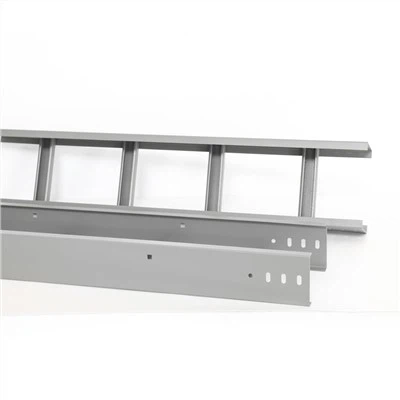
A cable ladder is an elevated, open-framed structure used in electrical installations to support and protect cables running along the floor or ceiling of industrial, commercial, or utility environments. Constructed from durable materials such as steel or aluminum, it consists of a series of horizontal rungs or bars connected by vertical side members. This design allows for easy access to the cables for inspection, maintenance, and replacement while providing secure support and protection against physical damage, environmental factors, and interference. Cable ladders are versatile and scalable, accommodating various cable configurations and load requirements, making them an integral component in organized and efficient cable management systems.

 
Advantages of Cable Ladder
 
01/

Organized cable routing
Cable ladders provide a neat way to route cables in a grid, ensuring they don’t get tangled and cluttered. This organized cabling not only improves the aesthetics of your workspace, but it also makes it easier to identify, access, and maintain cables.

02/

Flexibility and versatility
Cable ladders are available in a variety of sizes, shapes and materials, allowing them to be customized for specific applications and environments. Whether you need to support a few cables or dozens, cable ladders can be easily configured to meet your needs.

03/

Enhanced safety
Cable ladders reduce the risk of trips and falls by keeping cables high and out of the way. Additionally, they protect cables from damage caused by foot traffic, vehicle movement, or other potential hazards.

04/

Improved airflow and cooling
Cable ladders allow for better airflow around cables, which helps reduce heat build-up and improves the efficiency of your entire cabling system. This is especially important in high-density cable installations or environments where heat is a concern, such as data centers or industrial facilities.

05/

Easy to install and maintain
Cable ladders are designed for quick and easy installation. Depending on the application, they can be mounted to walls, ceilings or floors using a variety of attachment methods. Once installed, they provide a convenient platform to add, remove or replace cables, simplifying maintenance.

06/

Cost effectiveness
While cable ladders may require an initial investment, they provide long-term cost savings by reducing the time and effort required for cable management. This can translate into lower labor costs, reduced downtime due to cable issues, and more efficient operations overall.

Why Choose Us
 

High quality

Our products are manufactured or executed to a very high standard, using the finest materials and manufacturing processes.

Professional team

Our professional team collaborates and communicates effectively with each other, and is dedicated to delivering high quality results. We are capable of handling complex challenges and projects that require our specialized expertise and experience.

Quality control

We have built a professional quality control team to accurately inspect every raw material and every production process.

Competitive price

We offering a higher-quality product or service at an equivalent price. As a result we have a growing and loyal customer base.

Customized services

We understand that each customer has unique manufacturing needs. That’s why we offer customization options to cater to your specific requirements.

24H online service

We try and respond to all concerns within 24 hours and our teams are always at your disposal in case of any emergencies.

Types of Cable Ladder
 
1

Steel cable ladder
Steel ladders are highly durable and suitable for heavy-duty applications. They are typically made from galvanized or stainless steel to resist corrosion and withstand harsh environments. Steel ladders are strong enough to support large bundles of cables and are often used in industrial settings, outdoor environments, and areas prone to high traffic where durability is paramount.

2

Aluminum cable ladder
Aluminum cable ladders are lighter than their steel counterparts, making them easier to handle and install. They are also resistant to corrosion, although they may not be as strong as steel ladders. Aluminum ladders are ideal for situations where weight is a consideration, such as in ceiling installations or where the ladder must be frequently moved or reconfigured.

3

Frp (fiberglass reinforced polymer) cable ladder
Frp ladders are non-conductive and chemically resistant, making them suitable for environments where there is a risk of exposure to flammable or conductive substances. They are also resistant to uv rays and can be used in both indoor and outdoor applications. Frp ladders are often chosen for their fire safety properties.

4

Plastic cable ladder
Plastic cable ladders are lightweight and easy to install. They are typically made from pvc or similar materials and offer good resistance to chemicals and impact. Plastic ladders are cost-effective and are often used in commercial buildings or residential applications where the load requirements are not as demanding.

5

Thermoplastic cable ladder
Thermoplastic ladders are made from a type of plastic that becomes moldable above a certain temperature and solidifies upon cooling. They combine the advantages of being lightweight, easy to install, and offering good chemical resistance. Thermoplastic ladders are suitable for a variety of indoor and outdoor applications.

6

Metal cable tray
Although not strictly a ladder, metal cable trays serve a similar function in organizing and supporting cables. They are typically made from steel or aluminum and can be used in a wide range of applications, from commercial buildings to industrial facilities. Metal cable trays are versatile and can be configured in various shapes and sizes to suit different layouts and cable management needs

How to Store Cable Ladder
 

Choose appropriate storage location
Select a dry, clean area away from direct sunlight and sources of moisture, which can cause corrosion or rust on metal ladders. Ideally, the storage location should be indoors to protect the cable ladder from weather elements.


Clean the cable ladder
Before storing, thoroughly clean the cable ladder with a damp cloth to remove dust, dirt, and any debris that may have accumulated during use. For stubborn grime, use mild detergent and ensure the ladder is completely dry before storage.


Inspect for damage
Inspect the cable ladder for any signs of wear, damage, or deformation. Look for bent rungs, missing bolts, or rust spots. If any issues are found, repair or replace damaged parts before storing the ladder.


Disassemble if necessary
If the cable ladder is modular and can be disassembled, do so according to the manufacturer's guidelines. This makes it easier to store and transport and also prevents accidental damage during storage.


Stack horizontally
Store the cable ladder horizontally on a flat surface to prevent warping or bending of the rungs. If stacking multiple ladders, place a protective layer between each one to prevent scratching. Use a wooden block or similar object to create spacing between the ladders for better air circulation.


Secure the stack
Use straps, ropes, or bands to securely fasten the stacked ladders together. This prevents them from toppling over and causing injury or damage. Make sure the restraints are tight but not excessively tight, as this could damage the ladder's structure.


Protective covering
Cover the stacked cable ladder with a protective tarp or cover to shield it from dust, dirt, and potential damage. Ensure the covering is breathable to prevent condensation buildup inside.


Monitor environmental conditions
Regularly check the storage area for changes in temperature, humidity, and other environmental conditions that could affect the cable ladder's integrity. Adjust storage practices accordingly if necessary.

Application of Cable Ladder
 

Industrial settings
In industrial environments, such as manufacturing plants, power generation facilities, or oil refineries, cable ladders are critical for managing extensive cable networks. The robust nature of steel or frp ladders is particularly suited to withstand the rigors of heavy machinery, chemical exposure, and extreme temperatures. They provide a secure platform for cables to traverse large distances, often at height, without obstructing walkways or posing tripping hazards.

Commercial buildings
Commercial structures like office buildings, shopping malls, and hospitals benefit from the organized cable management provided by cable ladders. Aluminum or plastic ladders are commonly used here, as they are lighter and easier to install in ceilings and wall voids. The ladders support data and communication cables, ensuring reliable connectivity and facilitating future upgrades or maintenance work.

Outdoor applications
For outdoor use, cable ladders must be resistant to weathering and corrosion. Frp ladders are often the preferred choice due to their excellent resistance to uv radiation and chemicals. They are commonly seen in telecommunications towers, wind farms, and along roadside infrastructure, where they protect cables from the elements and potential damage from vehicles.

Infrastructure projects
In large-scale infrastructure projects such as bridges, tunnels, and railways, cable ladders are essential for the installation of control systems, signaling cables, and other communication lines. The durability and strength of metal ladders are crucial in these environments, where they must endure constant vibrations, movement, and exposure to the elements.

Data centers
Data centers require precise and reliable cable management systems to support vast networks of servers and it equipment. Cable ladders help maintain a clear pathway for power and data cables, ensuring optimal performance and ease of access for maintenance. Typically, metal or thermoplastic ladders are used here, as they provide the necessary structural integrity and electrical insulation.

Marine applications
Ships and offshore platforms utilize cable ladders to manage the complex network of cables that power onboard systems and equipment. The ladders must be resistant to saltwater corrosion, making stainless steel or specially treated metals the materials of choice. They must also be able to accommodate the ship's movements and potential impacts.

Residential and light commercial use
Even in less demanding environments such as residential homes or small offices, cable ladders play a role in organizing tv, internet, and telephone cables. Plastic or aluminum ladders are popular for their lightweight nature and ease of installation.


Precautions When Using Cable Ladder
Follow manufacturer's guidelines
Always read and understand the manufacturer’s instructions before installing or using a cable ladder. The guidelines will provide specific information about the ladder's capacity, installation procedures, and safety considerations.
Proper installation
Ensure that the cable ladder is installed by qualified personnel following the manufacturer's specifications and local building codes. Ladders should be securely fastened to structures at regular intervals to prevent shifting or collapse.
Load capacity
Do not exceed the maximum load capacity of the cable ladder. Overloading can lead to structural failure and potentially cause injuries or damage to the cables being supported.
Electrical safety
When dealing with electrical cables, ensure that the cable ladder provides adequate insulation and separation from live conductors. Avoid contact with energized parts and always de-energize before performing maintenance or inspection.
Accessibility and clearance
Maintain clear access to the cable ladder to prevent tripping hazards. Ensure that there is enough space around the ladder for safe movement and that it does not obstruct emergency exits or walkways.
Regular inspection
Periodically inspect the cable ladder for signs of wear, damage, or corrosion. Replace damaged sections immediately to prevent accidents. Pay special attention to areas where the ladder is subject to high traffic or exposure to harsh elements.
Anti-corrosion measures
For cable ladders exposed to corrosive environments, take appropriate measures to protect the material. This may include applying anti-corrosion coatings, selecting corrosion-resistant materials like frp, or using sacrificial anodes.
Secure fastening
Make sure that all fastening components, such as bolts and clamps, are secure and in good condition. Loose or damaged fasteners can lead to the ladder becoming unstable or detaching from the supporting structure.


How Do I Choose the Right Cable Ladder
Material selection
The material of the cable ladder plays a significant role in its performance, durability, and cost. Common materials include steel, aluminum, and fiberglass reinforced plastic (frp). Steel ladders are strong and durable but prone to rust in moist environments. Aluminum ladders are lightweight and corrosion-resistant, making them ideal for outdoor applications. Frp ladders offer excellent resistance to uv radiation and chemicals, making them suitable for harsh environments.
Load capacity
Consider the weight of the cables you need to support and choose a cable ladder with a sufficient load capacity. Overloading a ladder can lead to deformation or failure, compromising the safety of your cabling system. Always refer to the manufacturer's specifications to determine the maximum load capacity of the ladder.
Spacing and rung design
The spacing between the rungs of the cable ladder determines the clearance for cables and their bundles. Choose a ladder with a suitable rung spacing that accommodates the size and quantity of cables you need to install. Additionally, consider the design of the rungs, as some are designed for easy cable routing and management.
Compatibility with cables
Ensure that the cable ladder is compatible with the type of cables you intend to install. Different ladders may have specific design features that cater to specific types of cables, such as coaxial cables or fiber optic cables. Choose a ladder that provides adequate protection and support for your specific cable type.
Installation considerations
Consider the installation environment and choose a cable ladder that is easy to install and maintain. Factors such as the weight and size of the ladder, the complexity of the installation, and the availability of tools and equipment should be taken into account. Additionally, consider the accessibility of the ladder for future maintenance and upgrades.


Production Methods of Cable Ladder
Cable ladders are manufactured using various production methods depending on the material composition and desired characteristics of the final product. The most common materials used in cable ladder production include steel, aluminum, and fiberglass reinforced plastic (FRP). Each material requires specific processes to ensure the structural integrity and functionality of the cable ladder. Steel cable ladders are typically produced using cold-rolled steel sections. The process begins with coils of steel being fed into a cold rolling mill, where they are passed through a series of rollers to reduce the thickness and increase the strength. The resulting sheets of steel are then cut into the desired shape and size for the cable ladder rungs and side frames using laser cutting or punch pressing machines. The cut pieces are welded together using automatic spot welding machines to form the three-dimensional structure of the cable ladder. After welding, the ladders are subjected to a series of quality checks, including visual inspections and non-destructive testing methods such as ultrasonic or magnetic particle testing to detect any defects. Finally, the cable ladders are painted or powder coated to provide corrosion resistance and improve aesthetics. Aluminum cable ladders are produced using extrusion processes. Aluminum billets are heated and forced through dies under high pressure to create profiles that match the desired shape of the cable ladder rungs and side frames. The extruded profiles are then cut to length using saws or laser cutting machines. The cut pieces are assembled using rivets or screws, and the joints are sealed with silicone sealant to prevent water ingress. Like steel cable ladders, aluminum ladders undergo quality checks and surface treatments such as anodizing or painting to enhance their corrosion resistance and appearance. FRP cable ladders are made using a pultrusion process. This involves pulling fibers such as glass or carbon through a resin bath and then curing the composite under heat and pressure. The pultrusion process allows for the production of continuous lengths of FRP profile with consistent cross-sectional dimensions and properties. The profiles are cut to the required length and assembled using mechanical fasteners such as bolts or screws. FRP cable ladders do not require additional surface treatments as the resin matrix provides inherent corrosion resistance.


What Are the Components of Cable Ladder

Rungs:Rungs are the horizontal bars of the cable ladder that serve as the primary support for cables. They are typically spaced at regular intervals to accommodate different cable sizes and bundle thicknesses. The design of the rungs may vary, with some featuring grooves or channels to hold cables securely in place.
Side rails:Side rails are the vertical members of the cable ladder that provide lateral support and stability. They extend along the length of the ladder and are connected to the rungs to form a rigid framework. The side rails also serve as a reference point for cable routing and installation.
Connectors:Connectors are used to join adjacent sections of the cable ladder together, creating continuous runs that span longer distances. There are several types of connectors available, including couplers, splicers, and brackets, each designed to accommodate different configurations and installation requirements.
Mounting brackets:Mounting brackets are used to attach the cable ladder to supporting structures, such as walls, ceilings, or poles. They are typically made of metal or plastic and are designed to provide a secure and stable connection that can withstand the weight and vibration of the cable load.
Cable ties or straps:Cable ties or straps are used to secure cables to the rungs of the cable ladder. They help keep cables organized and prevent them from sagging or tangling. The choice of cable tie or strap depends on the size and weight of the cables being supported.
End caps:End caps are used to cover the open ends of the cable ladder, protecting the internal components from dust, dirt, and moisture. They also provide a neat and finished appearance to the installation.
Hardware:Hardware refers to the various fasteners, screws, bolts, and other components used to assemble the cable ladder. High-quality hardware is essential to ensure the structural integrity and longevity of the ladder.

Aluminum Ladder Cable Tray
Aluminum Cable Ladder


Can Cable Ladders Be Used for High-Temperature Applications?

Cable ladders are commonly used in various industrial applications for supporting and organizing electrical cables. However, their use in high-temperature environments presents unique challenges that must be addressed to ensure safety and functionality. High-temperature environments refer to those where the ambient temperature exceeds the normal operating range of standard cable ladders. These conditions can be found in industries such as steel manufacturing, chemical processing, and power generation. In these environments, the thermal stress on the cable ladder can cause deformation, loss of mechanical strength, and even failure. Therefore, it is crucial to select a cable ladder that can withstand extreme temperatures without compromising its performance and safety. The selection of material for cable ladders in high-temperature applications is critical. Standard cable ladders are typically made from steel or aluminum, which have limited tolerance to high temperatures. For high-temperature applications, materials such as stainless steel or special alloys that exhibit excellent thermal resistance and mechanical strength at elevated temperatures should be considered. These materials can withstand high temperatures without losing their structural integrity and maintain their mechanical properties over time. In addition to material selection, the design of the cable ladder should also be optimized for high-temperature applications. This includes selecting appropriate dimensions and spacing for the rungs and side rails to ensure adequate support and stability under thermal stress. The use of thicker wall sections and reinforced joints can also improve the overall strength and rigidity of the cable ladder. Surface treatments such as coatings and paints can further enhance the thermal resistance of cable ladders.

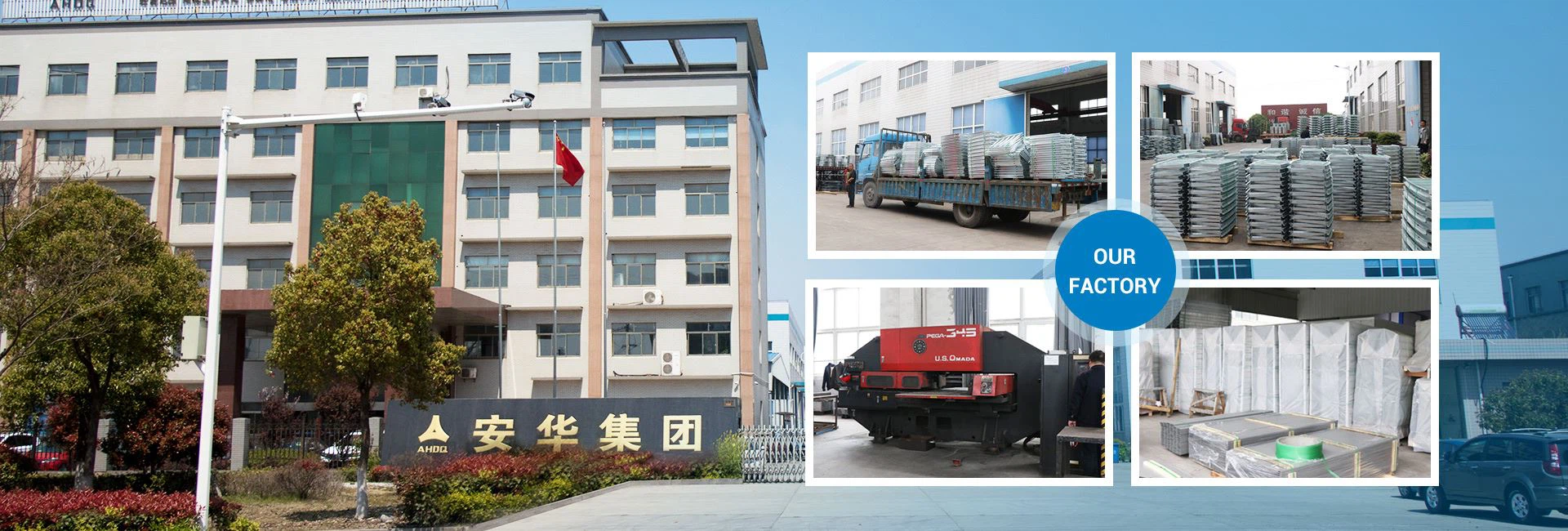
Our Factory
 

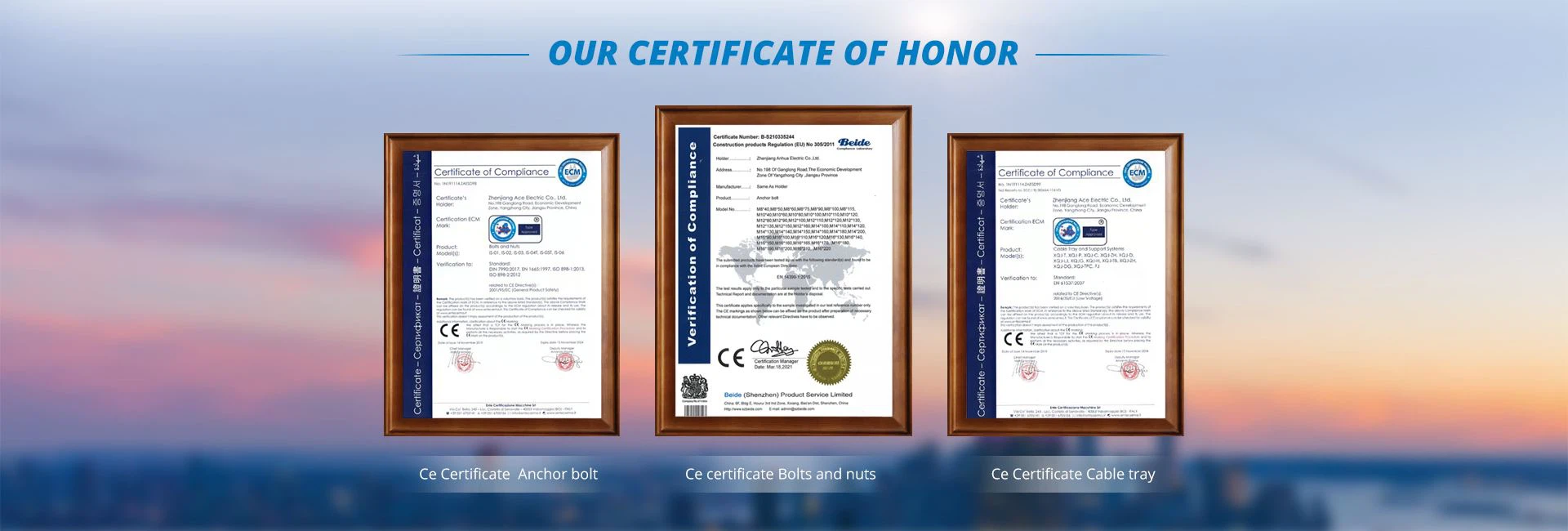
Our company –Anhua mainly produces cable trays, busways and etc. Our company is a provincial star enterprise, a secondary measurement enterprise and a super credit enterprise. In 2002, the company passed the ISO9001-2000 quality system certification. In 2005, the bus duct and switchgear passed the national 3C compulsory certification. In the same year, it obtained the certificate of "national electrical industry, assured quality and qualified products of national standards" from China Light Product Quality Assurance Center. The company has been rated as a "contract abiding and trustworthy" enterprise by provinces and cities for years.

productcate-1-1

 
certificate
 

productcate-1-1


FAQ


Q: What is a cable ladder?

A: A cable ladder is a type of cable management system used to support and organize cables in industrial or commercial settings. It consists of a series of parallel metal bars or rungs connected by side rails.

Q: What are the main types of cable ladders?

A: The main types of cable ladders include solid-bottom, perforated-bottom, and wire-mesh-bottom. Solid-bottom ladders have a solid metal base, while perforated-bottom ladders have small holes in the base for ventilation. Wire-mesh-bottom ladders have a wire mesh base for improved ventilation and cable visibility.

Q: What are the advantages of using cable ladders?

A: Using cable ladders offers several advantages, including improved cable organization, reduced cable damage, increased safety, and easier maintenance and access to cables.

Q: What materials are cable ladders made of?

A: Cable ladders are typically made of metal, such as steel or aluminum. Some ladders may also have a galvanized or powder-coated finish for added durability and corrosion resistance.

Q: Can cable ladders be used for outdoor applications?

A: Yes, some cable ladders are designed for outdoor applications. These ladders are typically made of materials that are resistant to weather and corrosion, such as stainless steel or aluminum.

Q: Can cable ladders be used for high-temperature applications?

A: Yes, some cable ladders are designed for high-temperature applications. These ladders are typically made of materials that can withstand high temperatures, such as stainless steel or fiberglass.

Q: Can cable ladders be used for hazardous environments?

A: Yes, some cable ladders are designed for hazardous environments. These ladders are typically made of materials that are resistant to chemicals, corrosion, and fire, and are designed to meet specific safety standards.

Q: Can cable ladders be used for cable management in data centers?

A: Yes, cable ladders are commonly used for cable management in data centers. They provide a structured and organized way to support and route cables, reducing the risk of cable damage and improving airflow.

Q: Can cable ladders be used for cable management in industrial settings?

A: Yes, cable ladders are commonly used for cable management in industrial settings. They provide a durable and reliable way to support and organize cables in harsh environments.

Q: Can cable ladders be used for cable management in commercial buildings?

A: Yes, cable ladders are commonly used for cable management in commercial buildings. They provide a cost-effective and efficient way to support and organize cables in large buildings.

Q: Can cable ladders be used for cable management in power plants?

A: Yes, cable ladders are commonly used for cable management in power plants. They provide a safe and reliable way to support and organize cables in high-voltage environments.

Q: Can cable ladders be used for cable management in oil and gas facilities?

A: Yes, cable ladders are commonly used for cable management in oil and gas facilities. They provide a durable and corrosion-resistant way to support and organize cables in harsh environments.

Q: Can cable ladders be used for cable management in transportation infrastructure?

A: Yes, cable ladders are commonly used for cable management in transportation infrastructure, such as airports, train stations, and highways. They provide a reliable and efficient way to support and organize cables in large and complex environments.

Q: Can cable ladders be used for cable management in telecommunications?

A: Yes, cable ladders are commonly used for cable management in telecommunications. They provide a structured and organized way to support and route cables in large and complex networks.

Q: Can cable ladders be used for cable management in renewable energy facilities?

A: Yes, cable ladders are commonly used for cable management in renewable energy facilities, such as wind farms and solar power plants. They provide a durable and reliable way to support and organize cables in harsh environments.

Q: Can cable ladders be used for cable management in marine environments?

A: Yes, some cable ladders are designed for cable management in marine environments. These ladders are typically made of materials that are resistant to corrosion and saltwater, such as stainless steel or fiberglass.

Q: Can cable ladders be used for cable management in mining operations?

A: Yes, cable ladders are commonly used for cable management in mining operations. They provide a durable and reliable way to support and organize cables in harsh and rugged environments.

Q: Can cable ladders be used for cable management in food and beverage facilities?

A: Yes, some cable ladders are designed for cable management in food and beverage facilities. These ladders are typically made of materials that are resistant to corrosion and bacteria growth, such as stainless steel.

Q: Can cable ladders be used for cable management in pharmaceutical facilities?

A: Yes, some cable ladders are designed for cable management in pharmaceutical facilities. These ladders are typically made of materials that are resistant to corrosion and bacteria growth, and are designed to meet specific safety standards.

Q: Can cable ladders be used for cable management in cleanrooms?

A: Yes, some cable ladders are designed for cable management in cleanrooms. These ladders are typically made of materials that are resistant to bacteria growth and are designed to meet specific cleanliness standards.

As one of the most professional cable ladder manufacturers and suppliers in China, we're featured by quality products and good service. Please rest assured to wholesale customized cable ladder made in China here from our factory.

b line ladder tray, solid cable tray with cover, desk cable tray
goTop

(0/10)

clearall