Zhenjiang ACE Electric Group CO., LTD

Galvanized Cable Tray

What Is Galvanized Cable Tray

Galvanized cable tray refers to a type of cable management system that has been treated with a protective zinc coating through a process known as galvanization. This zinc layer acts as a sacrificial anode, offering excellent corrosion resistance and extending the life of the metal tray. Typically made from steel, the tray is submerged in a molten bath of zinc during the hot-dip galvanizing process, which results in a thick, durable coating that adheres to the surface of the metal. Galvanized cable trays are widely used in various industrial, commercial, and residential applications where exposure to moisture, chemicals, or corrosive environments is a concern, ensuring the longevity and reliability of the electrical cable installations they support.

 
Advantages of Galvanized Cable Tray
 
01/

Corrosion resistance
The galvanization process involves coating the cable tray with a layer of zinc, which acts as a barrier against corrosion. This protective layer shields the tray from exposure to harsh environments, such as moisture, saltwater, and chemicals, ensuring long-term durability.

02/

Durable and long-lasting
Galvanized cable tray is known for its exceptional durability and longevity. The zinc coating not only prevents corrosion but also enhances the strength and rigidity of the tray, making it resistant to damage and wear and tear.

03/

Enhanced aesthetic appeal
The galvanized finish gives the cable tray a sleek and attractive appearance. It integrates well with modern interior designs, enhancing the overall aesthetics of the workspace. The shiny and smooth surface also adds a touch of elegance to any environment.

04/

Easy installation and maintenance
Galvanized cable tray is relatively easy to install, as it can be mounted to walls, floors, or ceilings using standard fasteners. Additionally, the zinc coating resists dirt and dust accumulation, making maintenance a breeze. Cleaning the tray is simple and hassle-free, ensuring it remains looking its best.

05/

Excellent thermal conductivity
Zinc, the coating material used in galvanization, has excellent thermal conductivity. This property helps in dissipating heat generated by cables, preventing overheating and maintaining optimal temperatures.

06/

Versatile usage
Galvanized cable tray is suitable for a wide range of applications, including indoor and outdoor settings. It can be used in commercial buildings, industrial facilities, utilities, and other environments where cables need to be managed effectively.

Why Choose Us
 

High quality

Our products are manufactured or executed to a very high standard, using the finest materials and manufacturing processes.

Professional team

Our professional team collaborates and communicates effectively with each other, and is dedicated to delivering high quality results. We are capable of handling complex challenges and projects that require our specialized expertise and experience.

Quality control

We have built a professional quality control team to accurately inspect every raw material and every production process.

Competitive price

We offering a higher-quality product or service at an equivalent price. As a result we have a growing and loyal customer base.

Customized services

We understand that each customer has unique manufacturing needs. That’s why we offer customization options to cater to your specific requirements.

24H online service

We try and respond to all concerns within 24 hours and our teams are always at your disposal in case of any emergencies.

Types of Galvanized Cable Tray
 

Ladder type
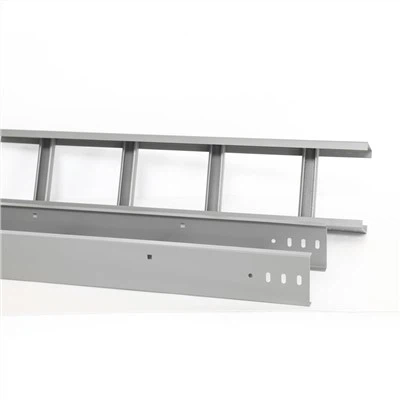
The ladder type cable tray is one of the most widely used designs, characterized by its parallel bars or rungs that resemble a ladder. These rungs provide ample space for cables to pass through and are supported by cross members at regular intervals. The open design of the ladder type tray facilitates air circulation and cooling, making it ideal for use in environments where heat dissipation is crucial.

Trough type
Trough type cable trays are enclosed on three sides, creating a channel or trough for cables to lie within. This design offers excellent protection against environmental factors such as dust, moisture, and vermin, making it suitable for outdoor or harsh indoor environments. Trough type trays can be further classified into two categories: Ventilated and non-ventilated. Ventilated troughs have openings along the sides and bottom to allow for air circulation, while non-ventilated troughs are fully enclosed.

Channel type
Channel type cable trays consist of a single piece of metal that forms a u-shaped channel. This design is lightweight and easy to install, making it ideal for use in situations where space is limited. The channel type tray provides good protection against physical damage but may not offer the same level of air circulation as ladder or ventilated trough types.

Perforated type
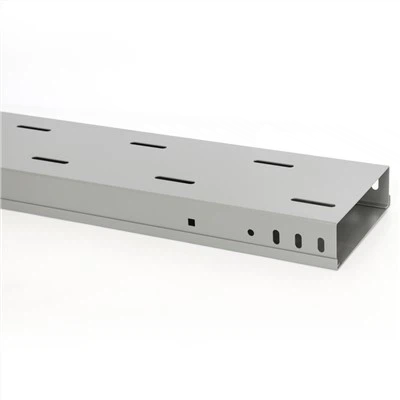
Perforated cable trays feature multiple small holes or slots along the length of the tray body. These perforations allow for improved air circulation, which helps dissipate heat generated by the cables, thereby preventing overheating and ensuring the integrity of the electrical system. The perforated design also provides some level of protection against environmental factors while maintaining visibility for inspection purposes.

Bridge type
Bridge type cable trays are designed to span across gaps or obstacles within an installation. They consist of two parallel rails with a supporting member in between, creating a bridge-like structure. Bridge type trays are typically used in conjunction with other types of trays to provide continuous cable routing and support.

Hybrid type
Hybrid cable trays combine elements of different types of trays to create a customized solution tailored to specific installation requirements. For example, a hybrid tray might incorporate features from both ladder and trough types to provide both air circulation and protection against environmental factors.

How to Store Galvanized Cable Tray
 

Clean and dry environment
Store galvanized cable trays in a clean, dry area free from moisture and contaminants. Moisture can cause rust and corrosion, which can penetrate the zinc coating and damage the metal beneath. Ensure that the storage area has good ventilation to prevent condensation.


Avoid direct sunlight
Protect the trays from direct exposure to sunlight as uv rays can weaken the protective zinc layer over time. If possible, store them in a shaded area or use opaque covers to shield them from sunlight.


Elevate the surface
Place the trays on wooden pallets or raised surfaces to keep them off the ground. This prevents contact with dampness or spills that could cause rust. If stacking is necessary, use non-metallic supports to avoid scratches and dents.


Avoid contact with chemicals
Keep galvanized cable trays away from chemicals, solvents, and other corrosive substances that might react with the galvanized coating. Store them in a separate area if chemical storage is unavoidable in the vicinity.


Organize stacking
When stacking trays, do so carefully to avoid bending or warping the metal. Do not overload stacks, and ensure that each tray is supported evenly. Use spacers or dividers between layers to prevent direct contact and potential scratching or denting.


Cover when necessary
If the trays will not be used for an extended period, consider covering them with breathable cloths or tarps to protect them from dust and dirt. Avoid using plastic sheets that could retain moisture and promote condensation.


Regular inspection
Periodically inspect stored galvanized cable trays for signs of damage, rust, or corrosion. Address any issues promptly to prevent further deterioration. Regular inspections also ensure that the trays are stored correctly and any storage practices that may lead to damage are identified and corrected.


Protect from mechanical damage
Ensure that the storage area is free from sharp objects, machinery, or other items that could scratch, puncture, or otherwise damage the galvanized surface. Consider using protective padding or wraps around the edges of the trays if necessary.


Application of Galvanized Cable Tray

One of the primary applications of galvanized cable trays is in industrial settings. Factories, power plants, and chemical processing facilities often have harsh environments where corrosive elements such as moisture, acids, and alkalis are present. The galvanized coating on the cable trays provides a robust defense against these corrosive agents, preventing rust and ensuring the integrity of the cable management system. This is crucial in maintaining uninterrupted operations and reducing maintenance costs associated with cable replacement or repairs. In commercial buildings, such as office complexes, shopping malls, and hospitals, galvanized cable trays are used to organize and protect the extensive network of electrical cables required for lighting, heating, ventilation, air conditioning (HVAC), and data communications. The sleek and uniform appearance of galvanized trays also contributes to the aesthetics of these buildings. Additionally, these trays are easy to install and modify, allowing for flexible cable routing to accommodate changes in building layouts or expansions. Outdoor applications of galvanized cable trays include telecommunication towers, bridges, and roadways. In these environments, the trays are exposed to the elements, including rain, sun, and wind, which can cause severe corrosion to unprotected metal surfaces. The galvanized coating provides a long-lasting barrier against these weathering factors, ensuring the longevity and reliability of the cable management system. This is particularly important in remote or difficult-to-reach areas where maintenance can be challenging and costly. Galvanized cable trays are also used in marine environments, such as ports, shipyards, and offshore platforms. These locations are characterized by high humidity and saltwater, which are highly corrosive to metals. The galvanized coating on cable trays offers excellent protection against these corrosive agents, preventing rust and extending the life of the cable management system. This is crucial in ensuring the safe and efficient operation of maritime equipment and infrastructure. In addition to their corrosion resistance, galvanized cable trays offer several other advantages. They are lightweight yet strong, making them easy to handle and install. This reduces labor costs and installation time. The trays are designed to meet specific fire safety standards. Furthermore, they are available in various sizes and configurations to suit different cable requirements and installation needs.

Hot Dip Galvanized Cable Tray

Precautions When Using Galvanized Cable Tray


Proper installation
Always follow the manufacturer's guidelines and industry best practices when installing galvanized cable trays. Ensure that they are securely fastened to supporting structures and aligned properly to prevent sagging or misalignment. Use appropriate connectors and fittings to join sections of the tray, and avoid any modifications that could compromise their structural integrity.
Load capacity
Be aware of the load capacity of the galvanized cable trays and do not exceed their maximum weight limit. Overloading the trays can cause deformation, bending, or failure of the supporting structures, leading to potential accidents or equipment damage.
Accessibility
Maintain adequate clearance around the galvanized cable trays to allow for easy access for inspection, maintenance, and repair. This will ensure that any issues can be quickly identified and addressed, reducing downtime and maintenance costs.
Corrosion prevention
While the galvanized coating on the cable trays provides excellent corrosion resistance, it is important to take additional precautions to protect them from harsh environments and chemicals. Avoid exposing them to acidic or alkaline substances, and store them in a dry, well-ventilated area when not in use. Regular cleaning and maintenance can also help to preserve the integrity of the galvanized coating.
Electrical safety
Ensure that the galvanized cable trays are properly or bonded to prevent electrical shock or interference. Use appropriate insulation materials and components to protect against electrical hazards, and comply with all relevant electrical safety standards and regulations.
Compatibility with other materials
Be aware of the compatibility of galvanized cable trays with other materials that may be used in conjunction with them, such as conduits, pipes, or fixtures. Avoid using materials that could react with the galvanized coating or compromise the structural integrity of the cable management system.

 
How Do I Choose the Right Galvanized Cable Trayor product use
 
01/

Load capacity
Determine the weight of the cables that will be installed in the tray. The load capacity of the cable tray must be sufficient to support the combined weight of the cables, their connectors, and any additional loads, such as ice or snow in outdoor applications. Overloading a cable tray can lead to structural failure or reduced lifespan.

02/

Size and dimensions
Select a cable tray that accommodates the physical dimensions of cables. Trays come in various widths, depths, and lengths. Ensure that there is adequate space within the tray for cable bends and turns without causing excessive stress or damage to the cables.

03/

Corrosion resistance
While all galvanized cable trays offer some degree of corrosion resistance, certain environments may require enhanced protection. For example, trays in coastal areas or near corrosive materials should have a thicker galvanized coating or alternative corrosion-resistant materials like stainless steel.

04/

Material thickness
The thickness of the metal and the galvanized coating affects the strength and durability of the cable tray. Thicker materials generally offer better structural integrity but may increase the weight and cost of the tray. Balance material thickness with the requirements of the application and budget constraints.

05/

Installation method
Different types of cable trays, such as ladder, perforated, solid top, and channel, are suited to various installation methods and cable management needs. Ladder trays, for instance, are ideal for supporting heavy cables and providing good air circulation, while solid top trays offer complete cable protection. Choose a style that aligns with the installation requirements and the aesthetic preferences of the environment.

06/

Environmental conditions
Consider the environmental conditions where the cable tray will be installed, such as temperature extremes, exposure to chemicals, and the risk of mechanical damage. Select a tray that can withstand these conditions without compromising its performance or lifespan.

Production Methods of Galvanized Cable Tray
 

Sheet metal forming
The first step in producing galvanized cable trays involves cutting sheet metal to the desired dimensions. This metal is typically made of steel or aluminum, which are then formed into the shape of the tray using various methods, such as stamping, pressing, or rolling. The forming process must ensure precision to maintain the structural integrity and proper fit of the cable tray components.

Welding
After forming, the individual pieces of the cable tray are welded together to create a sturdy framework. Common welding techniques include mig (metal inert gas) or tig (tungsten inert gas) welding, which provide strong joints and a smooth finish. The welding process must be carefully controlled to prevent warping or distortion of the metal.

Hot dip galvanizing
The most crucial step in the production of galvanized cable trays is the hot dip galvanizing process. This involves immersing the formed and welded metal into a molten zinc bath at a temperature of around 840°f (450°c). The zinc reacts with the iron in the metal, creating a thick, protective layer of zinc oxide and zinc carbonate on the surface. This layer acts as a barrier against corrosion and provides excellent resistance to moisture, chemicals, and other corrosive substances.

Inspection and quality control
After hot dip galvanizing, the cable trays undergo rigorous inspection to ensure that they meet the required quality standards. This includes checking the thickness and uniformity of the zinc coating, as well as inspecting for any defects, such as bubbles, cracks, or uneven coating. Only trays that pass these inspections are deemed suitable for use.

Finishing touches
Depending on the specific requirements of the application, additional finishing touches may be applied to the galvanized cable trays. This may include powder coating, painting, or applying a protective sealant to enhance their appearance and provide an extra layer of protection against corrosion.

What Are the Components of Galvanized Cable Tray
 

Tray sections
These are the main body of the cable tray, usually fabricated from steel or aluminum and galvanized to prevent rust and corrosion. They come in various lengths and can be straight or curved to navigate around obstacles or adapt to the layout of the building. Tray sections can be flat or have ridges or channels to allow for better airflow and cable management.
Cross members
Also known as bridging or stringers, these are attached perpendicularly to the main sections to provide additional support and stability to the tray system. They help distribute the weight of the cables evenly across the structure, preventing sagging or bending over time. Cross members are essential for larger spans or when carrying heavier cables.
Cable ladders
These components are similar to tray sections but are designed with rungs or steps, allowing cables to be laid on top of each other like a ladder. Cable ladders are ideal for areas where there is limited floor space or where cables need to be elevated above ground level.
Support brackets
These are used to attach the cable tray to walls, ceilings, or structural beams. They come in various designs, including fixed, adjustable, and swivel types, to accommodate different installation requirements and angles. Support brackets are critical for ensuring the stability and security of the cable tray system.
Drops and turns
These components allow the cable tray to change direction or descend vertically to reach different levels or areas within the installation. Drops are short sections that branch off from the main tray, while turns are used to change the direction of the tray run. These components are designed to maintain cable integrity and minimize stress during movement.
Accessories
A wide range of accessories can be used with galvanized cable trays to enhance their functionality and versatility. These include cable ties, cable glands, cable entry boots, and identification plates. Cable ties are used to secure cables within the tray, while cable glands provide a watertight seal for cables entering or exiting the tray. Cable entry boots protect cable connections from external elements, and identification plates are used to label and organize different cable runs.

Galvanized Perforated Cable Tray


Can Galvanized Cable Trays Be Customized to Fit Specific Needs?

Yes, galvanized cable trays can indeed be customized to fit specific needs. This customization is crucial to ensure that the cable tray systems meet the unique requirements of different projects and environments.One of the most common forms of customization is adjusting the sizes and dimensions of the cable trays. This includes altering the length, width, and depth to accommodate varying cable volumes and configurations. Custom sizes ensure that the cable trays fit perfectly within the available space, optimizing cable management and reducing the need for additional supports or modifications. While standard galvanized cable trays are typically made from steel or aluminum, the specific grade and composition of the metal can be customized to suit particular environmental conditions or performance requirements. For example, higher grades of stainless steel may be chosen for extreme corrosion resistance, or lighter-weight alloys may be selected for applications where weight reduction is critical. The design of the cable trays can also be customized to meet specific needs. This may include adding additional perforations for improved ventilation and cooling, incorporating access points or compartments for easier maintenance or cable routing, or designing special brackets or hangers for unique installation requirements. Beyond hot dip galvanization, other surface treatments can be applied to customize the appearance and performance of galvanized cable trays. Powder coating, painting, or applying a protective sealant can enhance the aesthetics and provide an extra layer of protection against corrosion, UV rays, or chemical exposure. The method of mounting the cable trays can also be customized to suit specific installation requirements. This may involve selecting different types of supports, hangers, or brackets, or designing a bespoke mounting system to ensure secure and stable installation in unusual or challenging environments. In some cases, customization may be required to ensure compatibility with existing systems or infrastructure. This may involve modifying the shape or design of the cable trays to integrate seamlessly with other components, or adapting the connection methods to work with specific types of hardware or accessories. 

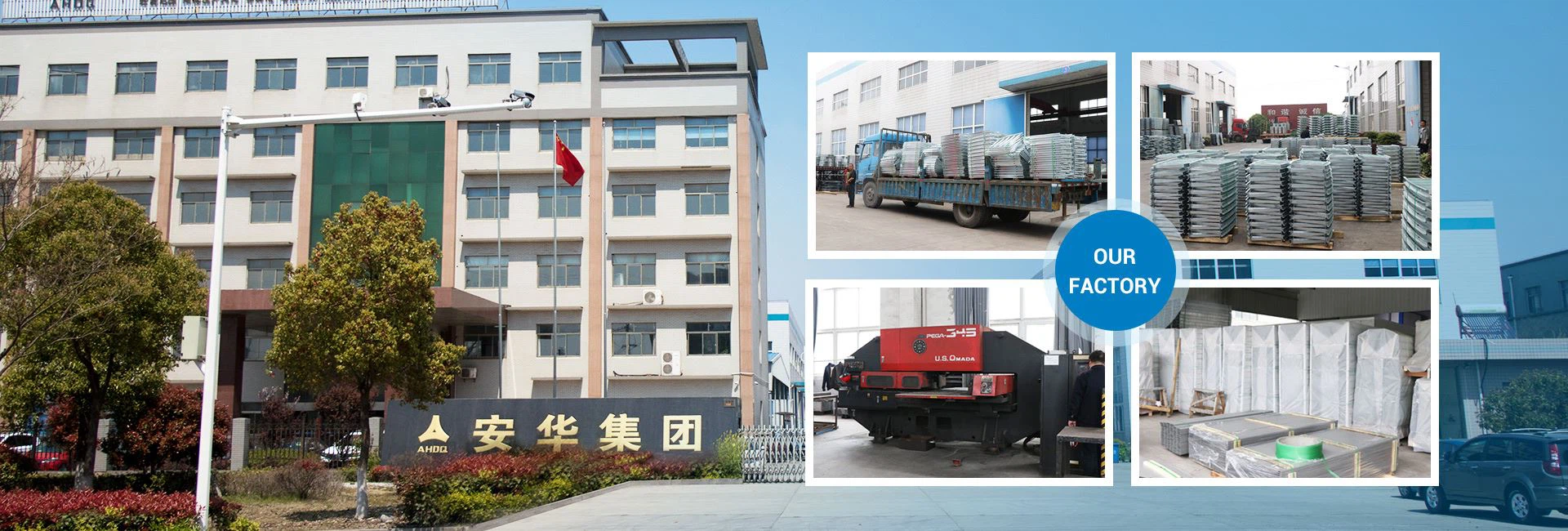
Our Factory
 

Our company –Anhua mainly produces cable trays, busways and etc. Our company is a provincial star enterprise, a secondary measurement enterprise and a super credit enterprise. In 2002, the company passed the ISO9001-2000 quality system certification. In 2005, the bus duct and switchgear passed the national 3C compulsory certification. In the same year, it obtained the certificate of "national electrical industry, assured quality and qualified products of national standards" from China Light Product Quality Assurance Center. The company has been rated as a "contract abiding and trustworthy" enterprise by provinces and cities for years.

productcate-1-1

certificate
 

productcate-1-1


FAQ


Q: How does the galvanization process work?

A: The galvanization process involves immersing the steel cable tray in a bath of molten zinc. The zinc coating bonds to the steel, creating a protective layer that prevents corrosion.

Q: What are the different types of galvanized cable trays?

A: There are various types of galvanized cable trays available, including ladder trays, solid-bottom trays, wire mesh trays, and perforated trays. Each type has its own specific design and application.

Q: What are the applications of galvanized cable trays?

A: Galvanized cable trays are widely used in industrial and commercial settings, including power plants, manufacturing facilities, data centers, telecommunications, and transportation infrastructure.

Q: Can galvanized cable trays be used in outdoor applications?

A: Yes, galvanized cable trays are suitable for outdoor applications. The zinc coating provides excellent protection against weather conditions, making them resistant to rust and corrosion.

Q: Can galvanized cable trays be used in high-temperature environments?

A: Yes, galvanized cable trays can withstand high temperatures. The zinc coating has a high melting point, allowing the trays to maintain their structural integrity in high-temperature environments.

Q: Are galvanized cable trays suitable for corrosive environments?

A: Yes, galvanized cable trays are highly resistant to corrosion. The zinc coating acts as a barrier, protecting the steel from corrosive elements, such as moisture, chemicals, and saltwater.

Q: Can galvanized cable trays be used in data centers?

A: Yes, galvanized cable trays are commonly used in data centers. They provide a reliable and durable solution for organizing and supporting cables, ensuring proper airflow and easy maintenance.

Q: Can galvanized cable trays be used in commercial buildings?

A: Yes, galvanized cable trays are suitable for cable management in commercial buildings. They provide a cost-effective and efficient solution for organizing and supporting cables in large-scale installations.

Q: Can galvanized cable trays be used in telecommunications?

A: Yes, galvanized cable trays are suitable for cable management in telecommunications. They provide a structured and organized pathway for cables in large-scale networks, ensuring proper support and facilitating easy maintenance and access.

Q: Can galvanized cable trays be used in transportation infrastructure?

A: Yes, galvanized cable trays are commonly used for cable management in transportation infrastructure, such as airports, train stations, or highways. They provide a reliable and durable solution for supporting and organizing cables in these complex environments.

Q: Can galvanized cable trays be used in renewable energy facilities?

A: Yes, galvanized cable trays are suitable for cable management in renewable energy facilities, such as wind farms or solar power plants. They can withstand outdoor conditions, resist corrosion, and provide secure cable support in these applications.

Q: Can galvanized cable trays be used in cleanrooms?

A: Yes, galvanized cable trays are commonly used in cleanrooms. They provide a clean and hygienic solution for supporting and organizing cables in controlled environments, ensuring safety and efficiency.

Q: Can galvanized cable trays be used in laboratories?

A: Yes, galvanized cable trays are suitable for cable management in laboratories. They provide a structured and organized pathway for cables, ensuring safety and facilitating easy maintenance and access.

Q: Can galvanized cable trays be used in oil and gas facilities?

A: Yes, galvanized cable trays are commonly used for cable management in oil and gas facilities. They can withstand harsh environments, resist corrosion, and provide secure cable support in these demanding applications.

Q: Can galvanized cable trays be used in food and beverage facilities?

A: Yes, galvanized cable trays are suitable for cable management in food and beverage facilities. They provide a clean and hygienic solution for supporting and organizing cables, ensuring compliance with food safety regulations.

Q: Can galvanized cable trays be used in marine environments?

A: Yes, galvanized cable trays can be used in marine environments. The zinc coating provides excellent protection against saltwater and corrosion, making them suitable for offshore platforms, ships, or coastal installations.

Q: Can galvanized cable trays be used in hazardous areas?

A: Yes, galvanized cable trays can be used in hazardous areas. They can be designed to meet specific safety standards and resist fire, making them suitable for environments with flammable materials or explosive atmospheres.

Q: Can galvanized cable trays be customized to fit specific needs?

A: Yes, galvanized cable trays can be customized to fit specific requirements. They can be fabricated in various sizes, shapes, and configurations to accommodate different cable types, load capacities, or installation conditions.

Q: Are galvanized cable trays easy to install?

A: Yes, galvanized cable trays are relatively easy to install. They often come with pre-drilled holes and accessories for quick and efficient installation. However, professional installation is recommended to ensure proper support and cable management.

Q: Can galvanized cable trays be used for cable management in mining operations?

A: Yes, galvanized cable trays are commonly used for cable management in mining operations. They can withstand rugged and harsh environments, providing a reliable solution for supporting and organizing cables in these demanding applications.

As one of the most professional galvanized cable tray manufacturers and suppliers in China, we're featured by quality products and good service. Please rest assured to wholesale customized galvanized cable tray made in China here from our factory.

cable under desk tray, under desk cable tray black, cable foil cable tray
goTop

(0/10)

clearall