Zhenjiang ACE Electric Group CO., LTD

Cable Tray

What is Cable Tray?


Cable trays are mechanical support systems that provide a rigid structural system for electrical cables, raceways, and insulated conductors used for electric power distribution, control, signal instrumentation, and communication.

Why Choose Us

Professional service

The company has a perfect customer service, the service into every detail of the work.

Quality assurance

Our expertise in Cable Tray Accessories manufacturing ensures that our products are always of the highest quality.

Delivery On Time

Our team is committed to providing timely and efficient delivery, ensuring that your orders arrive on time and in perfect condition.

24h online service

You can contact us to inquire about pre-sales, sales, and after-sales services, and we will give you a very satisfactory We are at your service online 24 hours a day.

First 12345 Last 1/5
Advantages of Cable Tray


modular-1

Installation takes less time

One of the advantages of the trays is that they take very little time to install. Compared to other solutions, such as ducts, the installation process is simpler, and they start working immediately. In addition, the fact that its installation is shorter translates into greater monetary savings for the company.

 
modular-2

Easy to maintain

Cable trays require less maintenance compared to other cable organizers. In addition, the structure of the trays facilitates the maintenance of the cables inside them. In this way, one can quickly identify damaged cables that need repair or replacement.

modular-3

Less expensive

The cable tray costs significantly less than other wiring protection methods on the production floor.

modular-4

Offers flexibility

As cable trays are usually sold in sections, their level of flexibility and adaptability of them is very high. Thus, companies can rearrange the distribution of trays and cables according to their needs. It will also be much easier to add new cables to the trays.


Types of Cable Tray


1. Ladder cable tray

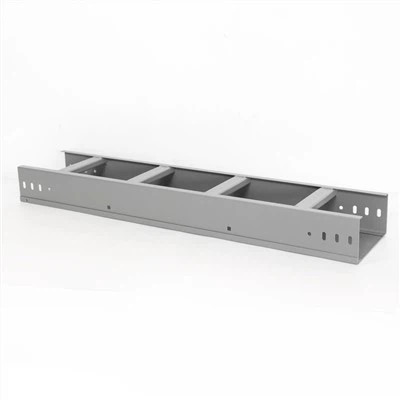
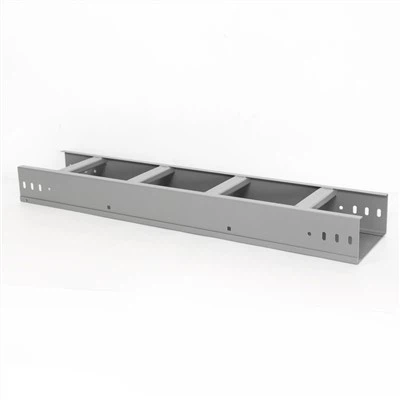
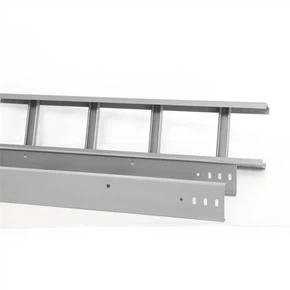
Ladder cable trays are the most common type of cable tray and are typically used in industrial and commercial applications. They feature a series of parallel metal rungs that resemble a ladder, with wires and cables laid across the rungs. Ladder cable trays are available in various widths and depths, and they can be customized to fit specific installation requirements.

2. Solid-bottom cable tray

Solid-bottom cable trays feature a flat, solid base that supports cables and wires. They are typically used in applications where cables and wires need to be protected from falling debris or liquids. Solid-bottom cable trays are available in various sizes and materials, including steel, aluminum, and fiberglass.

3. Through cable tray

Through cable trays are similar to solid-bottom cable trays but feature raised sides that help contain cables and wires. They are often used in applications where cables and wires need to be protected from external forces or where there is a risk of moisture or liquid ingress. Through cable trays are available in various materials, including steel, aluminum.

4. Channel cable tray

Channel cable trays are also known as U-shaped cable trays due to their unique shape. They are typically used for low voltage installations and are ideal for routing small cables and wires. Channel cable trays are available in various widths and depths and can be easily installed using wall brackets or floor stands.

5. Wire mesh cable tray

Wire mesh cable trays are made from a grid of interconnected wires that form a pathway for cables and wires. They are lightweight and easy to install, making them an ideal option for low to medium voltage installations. Wire mesh cable trays are available in various sizes and materials, including steel, aluminum, and stainless steel.


6. Single-rail cable tray

Single-rail cable trays feature a single metal rail that supports cables and wires. They are typically used in applications where cables and wires need to be suspended from ceilings or walls. Single-rail cable trays are available in various lengths and can be easily customized to fit specific installation requirements.

productcate-626-468


Material of Cable Tray

Common cable trays are made of galvanized steel, stainless steel, aluminium, or glass-fibre reinforced plastic . The material for a given application is chosen based on where it will be used. Galvanized tray may be made of pre-galvanized steel sheet fabricated into tray, or may be hot-dip galvanized after fabrication.


Components of Cable Tray

Cable tray accessories include: horizontal elbow, horizontal tee, horizontal cross,vertical bend,vertical tee.Horizontal elbow refers to a section of rigid non-linear parts that can change direction or size and are used to directly support cables, which can include the following varieties: Horizontal bending: components that change the direction of tray and ladder in the same horizontal plane, including 30 °, 45 °, 60 ° and 90 °.

productcate-640-480


Application of Cable Tray


Industrial plant area:In order to deal with the construction of modern chemical plants, cable tray is also used in the construction of industrial plants, so as to manage cables centrally. In most areas of our country, the factory electrical equipment adopts the trough cable tray, which is totally enclosed cable tray, and the factory adopts this kind of cable tray can not only play a protective role, but also prevent the damage of rats to the.


Commercial buildings:In modern shopping malls, cable tray products are also used intensively. For example, underground parking lot of shopping malls is the place where cable tray products are commonly used. Underground shopping malls generally require fire protection, so the underground parking lot of modern commercial buildings generally adopts fire-proof cable tray.


Communication field:Because the aluminum alloy material has good corrosion resistance, electromagnetic interference resistance and other characteristics, the cable tray in the communication room is generally made of aluminum alloy, and 6063 high specification aluminum alloy material. In addition, PVC trunking is often used in communication rooms.


Petrochemical enterprises:Petrochemical enterprises generally use the fully enclosed trough type aluminum alloy cable tray. After the surface anodizing treatment, the aluminum alloy cable tray not only has excellent anti-corrosion, anti electromagnetic interference and even anti shielding performance, which can not be replaced by the ordinary cable tray.


Maintenance of Cable Tray
1. Cleaning

Regular cleaning of cable trays is an essential maintenance activity. Cable trays can accumulate dirt, dust, and debris, which can lead to corrosion and decreased performance. Regular cleaning helps prevent these issues by removing debris and allowing for a visual inspection of the tray. Cleaning should be performed using a soft brush or cloth, and a mild detergent solution. Harsh chemicals or abrasive materials should be avoided as they can damage the tray's coating.

2. Lubrication

Lubrication is another essential maintenance activity for cable trays. Lubrication helps prevent corrosion and wear by reducing friction between moving parts. Lubrication should be performed on moving parts, such as hinges or locking mechanisms, using a high-quality lubricant. The type of lubricant used should be appropriate for the specific environment in which the tray is located.

3. Adjustments

Regular adjustments of cable trays can help ensure optimal performance. Adjustments may be necessary to align the tray properly or to tighten loose bolts or screws. These adjustments should be made using the manufacturer's specifications and should be performed by trained personnel.

4. Inspections

Regular inspections of cable trays are critical to identifying potential issues and avoiding costly repairs or replacements.Inspections should be performed at least once a year and should include a visual inspection of the tray and its components. The inspection should include checking for signs of damage, such as corrosion, bending,or cracks.Additionally, the inspection should include a check of the tray's connections and supports, ensuring that they are secure and properly aligned.

5. Preventative maintenance

Preventative maintenance is an essential part of keeping cable trays in good condition. Preventative maintenance involves regularly scheduled maintenance activities, such as cleaning, lubrication, and adjustments, designed to prevent breakdowns or failures. Preventative maintenance can help identify potential issues before they become more severe, avoiding costly repairs or replacements.


6. Repairs

If damage or other issues are identified during the inspection, repairs should be made promptly. Repairs may include replacing damaged components or repairing corroded areas. Repairs should be performed using the manufacturer's specifications and should be performed by trained personnel.


How to Choose Cable Tray
Stainless Steel Cable Ladder

Material

The first and most important factor to consider when selecting a cable tray is the material used in its construction. The material should be able to withstand the weight of the cables and should be durable to ensure longevity.


Powder Coated Ladder Cable Tray

Size and shape

The size and shape of a cable tray are crucial factors to consider, as they determine the number and type of cables that can be accommodated. The size of the cable tray should be chosen based on the volume of cables to be managed, while the shape should be selected based on the layout and configuration of the electrical installation.

Powder Coated Cable Ladder

Load capacity

The load capacity of a cable tray is an essential factor to consider, as it determines the weight of the cables that can be supported. The load capacity should be chosen based on the weight of the cables to be managed, taking into account any additional weight that may be caused by factors such as temperature fluctuations and wind loads. It is important to choose a cable tray with a higher load capacity to ensure safety and prevent any potential accidents caused by overloading.

Pre-galvanized Ladder Cable Tray

Installation and maintenance

The ease of installation and maintenance should also be considered when choosing a cable tray. A cable tray that is easy to install can save time and labor costs, while one that is easy to maintain can ensure the longevity of the cables and prevent any potential hazards.


Process of Cable Tray


Preparation
The first step in the cable tray installation process is to ensure that the site is properly prepared. This involves checking the structural integrity of the building, as well as the electrical system. All necessary permits must be obtained, and any obstacles that may interfere with the installation process should be removed.


Design and measurement
The next step is to design and measure the cable tray system that will be installed. This involves determining the size and shape of the cable tray, as well as the number of supports and other components that will be needed. The design should take into account the specific needs of the electrical system, as well as any relevant building codes and safety regulations.


Installation
Once the design and measurements have been completed, the actual installation of the cable tray can begin. This involves securing the cable tray to the structure of the building, using the appropriate fasteners and supports. The cable tray should be installed in such a way that it will be able to accommodate the cables that will be installed in it, and that it will be easy to access and maintain.


Testing and commissioning
Finally, once the cable tray has been installed, it should be tested and commissioned to ensure that it is functioning properly. This involves checking the integrity of the cable tray system, as well as the electrical connections and grounding. It is also important to ensure that the cable tray is properly labeled, to make it easy to identify and troubleshoot any issues that may arise in the future.


Things to Note When Using Cable Tray


Choose the right cable tray size and material
The first thing to consider when using cable tray is selecting the right size and material. The size of the cable tray should be based on the amount of cables and wires you need to manage, as well as the available space in your workspace.


Ensure proper installation
Proper installation of cable tray is crucial to ensure the safety and efficiency of your electrical system. The cable tray should be mounted securely to the wall or ceiling, and any supports or brackets should be securely fastened as well. It is also important to ensure that the cable tray is level and properly aligned, as this will help to prevent cable damage and ensure that cables can be easily accessed for maintenance or repair.


Maintain cable tray regularly
Regular maintenance of cable tray is essential to ensure its continued safe and efficient operation. This includes cleaning the cable tray to remove any dust or debris that may have accumulated, as well as inspecting the cable tray for any signs of damage or wear and tear. It is also important to check the cables and wires regularly to ensure that they are in good condition and not damaged or frayed.


Follow safety precautions
Using cable tray involves working with electrical cables and wires, which can be dangerous if proper safety precautions are not followed. It is essential to ensure that the workspace is well-lit and free of any potential hazards, such as water or other liquids. It is also important to wear proper personal protective equipment (ppe), such as gloves, safety glasses, and a hard hat.


Working Principle Cable Tray


Support

Cable tray provides a sturdy and durable support system for cables and wires, preventing them from being damaged or disrupted by external factors such as temperature, moisture, and physical impact.

Organization

Cable tray systems are designed to keep cables and wires separated and organized, reducing tangling and confusion. This organization also makes it easier to identify and access specific cables during installation, maintenance, or repair work.

Cooling

In applications where high heat is generated by the cables, cable tray systems can include built-in cooling mechanisms such as fans or water-based systems to keep the cables cool and functioning properly.

Fire protection

Cable tray systems are often made of fire-resistant materials to prevent the spread of fire and protect the cables from damage.


Our Factory


Our company –Anhua mainly produces cable trays, busways and etc.
Our company is a provincial star enterprise, a secondary measurement enterprise and a super credit enterprise. In 2002, the company passed the ISO9001-2000 quality system certification. In 2005, the bus duct and switchgear passed the national 3C compulsory certification.


productcate-1-1

productcate-1-1

FAQ

Q: What is cable tray used for?

A: Cable trays are mechanical support systems that provide a rigid structural system for electrical cables, raceways, and insulated conductors used for electric power distribution, control, signal instrumentation, and communication.

Q: What are the three types of cable trays?

A: The cable tray types to choose from are ladder, ventilated trough, or solid bottom.

Q: What are the advantages of cable trays?

A: With cable trays, it's easier to accommodate different cable types and sizes within a single system. The modular design allows for easy modifications and expansions, making it ideal for evolving infrastructure needs.One of the key advantages of cable trays is their ability to improve air circulation around cables.

Q: What is the most common type of cable tray?

A: Ladder cable trays are the most common type of cable tray and are typically used in industrial and commercial applications. They feature a series of parallel metal rungs that resemble a ladder, with wires and cables laid across the rungs.

Q: What is the difference between cable trunking and cable tray?

A: Cable Trunking also commonly known as Cable Ducting System has a solid bottom and sides to the enclosure for cable management system in comparison to the Cable Tray or Perforated system that can have perforation on the bottom and the sides of its enclosure structures.

Q: What is cable tray wire called?

A: The most frequently used tray cables are: Tray Cable – type TC. Power Limited Tray Cable – type PLTC. Instrumentation Tray Cable – type ITC. Metal Clad Cables – type MC.

Q: Which type of cable tray is best?

A: Solid-bottom (non-ventilated) cable trays are preferred for fiber-optic cable installations when the performance of the system may be impacted by cable drooping. still, a concern for electromagnetic/radio-frequency interference protection is the fundamental justification for choosing solid-bottom trays.

Q: What materials are needed for cable tray?

A: Aluminum, fiberglass, steel, and stainless steel are all readily available materials for cable tray manufacturing. These materials perform very well at ambient temperatures (0°F to 100°F). However, once the confines of these temperatures have been exceeded, the materials start to react differently.

Q: What is the difference between cable tray and duct?

A: Cable ducts differ from trays in that they are closed. They are hollow sections of rectangular, triangular, square or other cross-section with a flat base with removable covers or blind, with perforated surfaces or not. Ducts with removable covers are used for open electrical wiring.

Q: What are the characteristics of cable tray?

A: They have solid side rail protection that allows the free flow of air through the system. standard width of these trays are 6 to 25 inches, depth are of 3 to 6 inches, and lengths are 10 to 12 feet during installation.

Q: Do cable trays need to be earthed?

A: If the tray is an exposed conductive part it requires earthing. If the tray is and extraneous conductive part it requires bonding.

Q: What is cable tray installation?

A: Cable tray installations are a wise investment for any size network. In today's high density cable environments, cable tray keeps cables in their place. The installation of cable tray provides a way to manage the volume and cleanliness of your network. The trays are bendable and expandable to almost any requirement.

Q: What are the five basic cable tray fittings?

A: Ladder Type Cable Tray 2. Solid Bottom Cable Tray 3. Trough Cable Tray 4. Channel Cable Tray.

Q: How do you differentiate the different cable tray types?

A: For example, an aluminum cable tray is just that – a manufactured cable tray made from aluminum. A steel cable tray is different from aluminum because manufacturers use steel to make them.

Q: How do you determine cable tray size?

A: When using solid bottom cable tray, the sum of the cable diameters is not to exceed 90% of the available cable tray width. The sum of the diameters (Sd) of all cables = 2.26 + 3.52 + 6.20 = 11.98 inches; therefore a cable tray with an available width of at least 12 inches is required.

Q: Why use cable tray instead of conduit?

A: Simpler installation– Compared to conduits, cable trays can be set up much faster. They also facilitate easy installation even in the hands of less experienced technicians.

Q: How many types of cable trays are there?

A: You can choose between Ladder cable trays, wire mesh, ventilated, and solid bottom cable trays. Each has different costs, and the most cost-effective cable tray is the ladder tray in many situations, but consider your options.

Q: How often should cable tray be grounded?

A: If the cable tray supports are attached to concrete or other nonconductive materials, bonding jumpers from the cable tray to building steel are required every 50-65 feet or a continuous ground wire attached every 50-65 feet of cable tray run may be a simpler approach.

Q: What is the standard size of cable tray?

A: Standard depths of 25, 40, 50, 75, 100mm. Standard lengths of 2.5 Mtrs. Covers for Perforated Cable Trays shall be Pre galvanised, Powder Coated (Stainless Steel and Aluminium also available on Request).

Q: Does cable tray need a cover?

A: While many cable trays remain uncovered, those that run under or along the floor require a strong and sturdy cable tray cover for continuous employee safety.

As one of the most professional cable tray manufacturers and suppliers in China, we're featured by quality products and good service. Please rest assured to wholesale customized cable tray made in China here from our factory.

b line wire tray, moveable cable tray, cable management cable tray
goTop

(0/10)

clearall