Zhenjiang ACE Electric Group CO., LTD

Cable Tray Accessories

What is Cable Tray Accessories?


Cable tray accessories are accompanying equipment, supporting the cable tray ladder to function well. The task of cable tray accessories is mainly to connect the cable tray ladders according to different shapes and pipes to match the equipment installation location.

Why Choose Us

Professional service

The company has a perfect customer service, the service into every detail of the work.

Quality assurance

Our expertise in Cable Tray Accessories manufacturing ensures that our products are always of the highest quality.

Delivery On Time

Our team is committed to providing timely and efficient delivery, ensuring that your orders arrive on time and in perfect condition.

24h online service

You can contact us to inquire about pre-sales, sales, and after-sales services, and we will give you a very satisfactory We are at your service online 24 hours a day.

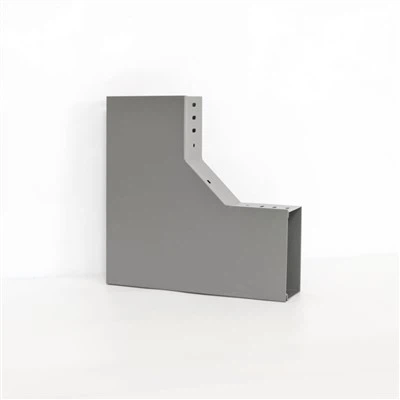
  • Horizontal Elbow

    Horizontal Elbow

    Length: 400-1200 mm. Width: 100-800 mm. Side rail Height: 60/100/150 mm

    Add to Inquiry
  • Horizontal Tee

    Horizontal Tee

    Length: 700-1600 mm. B: 100-800 mm. H: 60-150 mm

    Add to Inquiry
  • Horizontal Cross

    Horizontal Cross

    Length: 700-1600 mm. Width: 100-800 mm. Side rail Height: 60/100/150 mm

    Add to Inquiry
  • Vertical Bend

    Vertical Bend

    Length: 360, 400, 550 mm. Width: 100-800 mm. Side rail Height: 60/100/150 mm

    Add to Inquiry
  • Vertical Tee

    Vertical Tee

    L1: 225-1000 mm. L2: 125-600 mm. Width: 50-800 mm. Height: 25-200 mm

    Add to Inquiry
 

Advantages of Cable Tray Accessories


productcate-377-307

Cable routing efficiency

Cable tray accessories help route cables neatly and efficiently, preventing clutter, tangles, and potential damage during installation or maintenance.

productcate-377-307

Safety enhancement

Contribute to safety by protecting cables from environmental factors, reducing the risk of electrical hazards, and preventing accidents caused by loose cables.

productcate-377-307

Customization

With a variety of sizes and configurations available, cable tray accessories can be customized to fit the unique needs of your project, ensuring a tailored cable management solution.

productcate-377-307

Ventilation and heat dissipation

Accessories like perforated covers or ventilated dividers enable airflow, preventing overheating of cables and ensuring the longevity of electrical and data systems.


Types of Cable Tray Accessories


1. Orizontal elbow

We manufacture our horizontal elbow from high-quality materials which make it strong and able to withstand heavy usage. This makes it perfect for industrial and commercial applications where reliability is essential. Its solid construction ensures that it can handle high pressure and will not break or wear down easily.

2. Horizontal tee

The interior walls of our Horizontal Tee are smooth, minimizing the risk of clogs or flow obstructions. This helps to ensure that fluids can flow through the system smoothly and efficiently, improving overall performance.

3. Vertical bend

Another major advantage of the Vertical Bend is its versatility. Whether you're looking to create an unusual shape or you need to fit it into a tight space, its unique design allows it to adapt to a wide range of requirements.

4. Vertical tee

The Vertical Tee is crafted from durable materials such as stainless steel, copper, or brass, ensuring that it will withstand even the most challenging conditions and environments.

 
Application of Cable Tray Accessories

Data centers

Cable tray accessories are crucial in data centers, where efficient cable management is essential to maintain the integrity of data and power systems.

Industrial facilities

Manufacturing plants, refineries, and processing facilities rely on these accessories to organize and protect cables in challenging environments.

productcate-800-450
productcate-800-450

Commercial buildings

Cable tray accessories enhance cable organization in offices, shopping malls, hospitals, and other commercial spaces.

Transportation infrastructure

Airports, railway stations, and tunnels use cable tray accessories to manage cables for lighting, security systems, and communication networks.


Product production process


Selection of cable tray accessories:The first step in the process is to select the right cable tray accessories that are fit for the purpose. There are various types of accessories like couplers, brackets, clamps, covers, etc., and each has a specific purpose.


Preparation of materials:Once the accessories are selected, the required materials like nuts, bolts, screws, etc are prepared for use in the installation process.


Installation of accessories:The next step is to install the accessories on the cable tray. The installation process may vary depending on the type of accessory. For example, couplers are attached to the ends of trays to connect them, while brackets are used to support the tray on the wall.


Finishing touches:After the installation of accessories, the finishing touches are done, and the tray is inspected to make sure it is secure and meets the necessary safety requirements.


Maintenance of Cable Tray Accessories
productcate-800-450
01

Regular cleaning

Dust and debris accumulate on cable tray accessories over time, leading to corrosion and damage. Regular cleaning should be done to prevent this and ensure proper functioning. Use a soft cloth or brush to clean the accessories, and avoid using abrasive cleaners.

02

Lubrication

Moving parts of cable tray accessories like hinges and locks require lubrication to prevent rust and maintain smooth operations. Use lubricants recommended by the manufacturer, and apply them sparingly to avoid accumulation.

productcate-800-450
productcate-800-450
03

Tightening of Bolts

Frequently inspect bolts and screws on cable tray accessories to ensure they are tight and secure. Loose screws and bolts can cause damage to the accessories and also create safety hazards.

04

Coating and Painting

Use appropriate coatings and paints to protect against corrosion and improve the durability of the accessories, especially in harsh environments or outdoor installations.

productcate-800-450


How to Install Cable Tray Accessories


Prepare the cable tray and accessories
Before you start the installation process, you need to ensure that you have all the necessary accessories and tools. This includes cable tray, clips, fasteners, and a drill. It is also a good idea to have a few extra accessories on hand in case of any mishaps during the installation process.


Choose the right location for the cable tray
The location you choose for the cable tray is crucial. You need to choose a location that is easily accessible and visible, but not in the way of foot traffic or other activities. It is also important to ensure that the location is suitable for the cable tray size and shape.


Cut and install the cable tray
Cut the cable tray to the required length using a hacksaw or utility knife. If you are installing a modular cable tray system, ensure that all the components are compatible and assembled correctly.


Install the accessories
Cable clamps: These are used to secure the cables to the tray. Install the clamps at regular intervals along the tray, ensuring they are tightened securely.Dividers: These are used to separate and organize cables within the tray. Simply slide the dividers into the tray and secure them with the provided screws or clips.L-brackets: These are used to mount the cable tray to walls or structures. Drill holes through the l-brackets and the tray, then secure them with screws.


Material of Cable Tray Accessories
Horizontal Cross

Galvanized steel

Galvanized steel is a material widely used in cable duct fittings. It has high strength and corrosion resistance and can adapt to various harsh environments. The surface treatment of galvanized steel prevents the steel from rusting, thereby extending the life of the product.

Vertical Bend

Stainless steel

Stainless steel is an alloy material with excellent corrosion resistance and oxidation resistance. It is suitable for occasions with high requirements on corrosion resistance, such as chemical plants, seaside facilities, etc. Stainless steel cable trough accessories are not only corrosion-resistant, but also have high strength and aesthetics.

Horizontal Elbow

Aluminum alloy

Aluminum alloy cable trough accessories have the characteristics of light weight, high strength and good corrosion resistance. It is widely used in aerospace, communications, medical equipment and other fields. Aluminum alloy cable trough accessories not only facilitate installation and transportation, but also effectively reduce the overall weight of the cable system.


Horizontal Tee

Engineering plastics

Engineering plastic cable trough accessories have the advantages of light weight, corrosion resistance, and good insulation properties. It is suitable for occasions with high requirements on insulation performance and wear resistance, such as data centers, electronics factories, etc. Engineered plastic cable tray fittings also have low thermal conductivity, helping to prevent cables from overheating.


Things to Note When Using Cable Tray Accessories


Choose the right accessories
The first step in using cable tray accessories effectively is to choose the right ones for your specific needs. There is a wide range of accessories available in the market, such as cable ties, clips, hooks, and dividers. Each type of accessory serves a specific purpose, and it is essential to select the ones that cater to your requirements.


Proper installation
Once you have selected the right cable tray accessories, the next step is to install them correctly. This involves following the manufacturer's guidelines and ensuring that the accessories are securely fastened to the cable tray. It is crucial to use the correct type and size of screws or nails, as this will help in ensuring the stability of the accessories and prevent them from falling off the cable tray.


Regular inspection and maintenance
It is essential to regularly inspect and maintain your cable tray accessories to ensure their continued effectiveness. This involves checking for any signs of damage or wear and tear, and replacing the accessories as needed. Regular maintenance will help in prolonging the lifespan of your accessories and prevent any potential hazards caused by faulty or damaged accessories.


Compliance with safety regulations
Lastly, it is crucial to ensure that your use of cable tray accessories complies with all relevant safety regulations and standards. This involves following the manufacturer's instructions and guidelines, as well as any industry-specific regulations. It is essential to ensure that the accessories are securely fastened to the cable tray and that the cables are properly secured to the accessories.


Components of Cable Tray Accessories


Cable trough
Cable trough is the infrastructure for cable laying, mainly used to carry, fix and protect cables. They are usually made of metal, such as steel, aluminum, or stainless steel, to withstand weight and external forces. Cable ducts come in a variety of shapes and sizes to accommodate different types of cables and installation needs.


Cable tray
Cable trays are another important component of cable laying and are primarily used to transport cables across space within a building or facility. Cable trays are usually made of metal or plastic and can be suspended or supported on the building structure. Their design and size can be customized according to installation needs.


Cable fixings
Cable fixing is an accessory used in cable laying to securely fix cables to cable troughs or cable trays. They are usually made of metal, such as stainless steel and brass, to withstand the weight and strain of the cable.


Cable connectors and terminations
Cable glands and terminals are indispensable accessories in cable laying. They are used to connect cables and ensure the smooth flow of electricity. A cable gland is a device that joins two cables together, while a cable terminal is used to close the end of a cable. These attachments are usually made of metal or plastic and are waterproof, moisture-proof and abrasion-resistant.


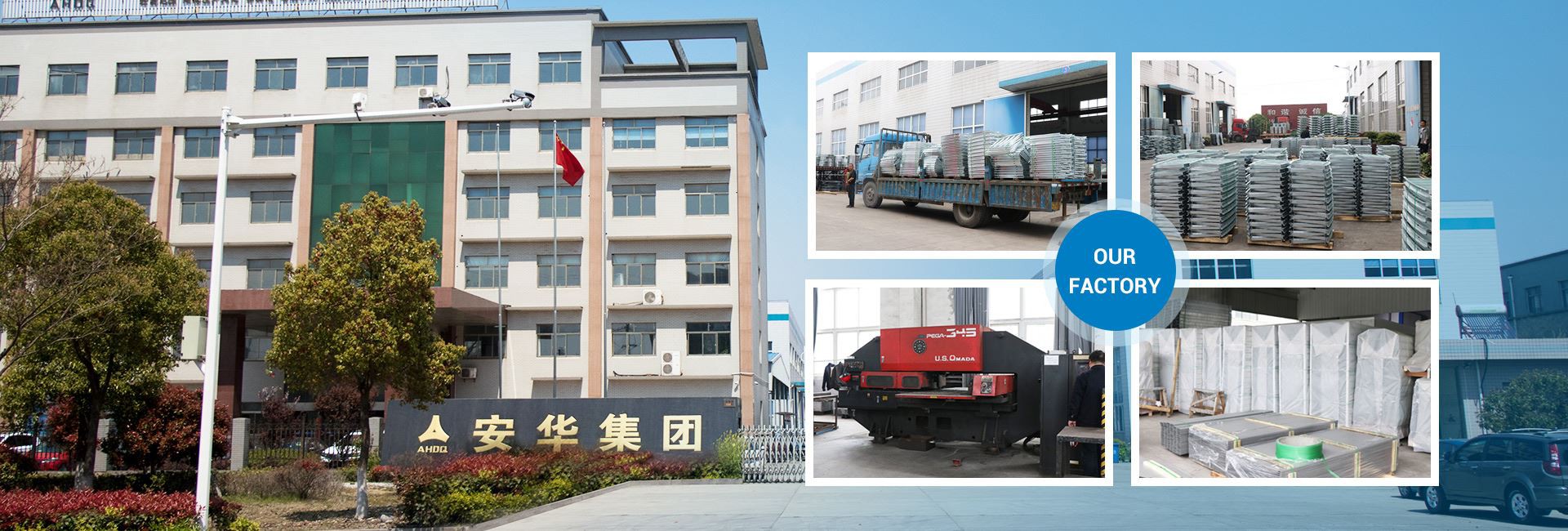
Our Factory
 

Our company –Anhua mainly produces cable trays, busways and etc.
Our company is a provincial star enterprise, a secondary measurement enterprise and a super credit enterprise. In 2002, the company passed the ISO9001-2000 quality system certification. In 2005, the bus duct and switchgear passed the national 3C compulsory certification.


productcate-1-1

productcate-1-1

FAQ

Q: What are the advantages of cable tray fittings?

A: With cable trays, it's easier to accommodate different cable types and sizes within a single system. The modular design allows for easy modifications and expansions, making it ideal for evolving infrastructure needs. One of the key advantages of cable trays is their ability to improve air circulation around cables.

Q: Why are cable tray covers important?

A: Tray covers protect products such as cables from sunlight, environmental elements, dirt, debris, and falling objects. They also provide a safe, sturdy, and slip-proof walking surface.

Q: What are cable tray accessories?

A: Cable tray accessories are additional components that are used in conjunction with cable trays to enhance their functionality or performance. These accessories can include support braces, splice plates, cable ties, end caps, and more.

Q: What types of support braces are available for cable trays?

A: Support braces are used to secure the cable tray to the wall or ceiling. There are different types of support braces available, including wall brackets, angle brackets, and floor stands.

Q: What are splice plates used for in cable trays?

A: Splice plates are used to connect two sections of cable tray together. They are typically made of metal and come in a variety of sizes to accommodate different types and sizes of cable trays.

Q: Can cable trays be used outdoors?

A: Yes, cable trays can be used outdoors. However, it is important to use materials that are resistant to weather conditions such as extreme temperatures, UV radiation, and moisture. Special coatings and finishes may also be required to protect against corrosion.

Q: How do cable ties help with cable management?

A: Cable ties are used to secure cables inside cable trays and prevent them from becoming tangled or getting in the way. They are also used to organize cables and keep them in place, making it easier to identify and access specific cables as needed.

Q: What are some common cable tray accessories?

A: Some common cable tray accessories include cable ties, grounding and bonding clamps, splice plates, covers, dividers, supports, brackets, and cable tray rollers.

Q: How do cable tray dividers work?

A: Cable tray dividers are used to separate and organize cables within a cable tray. They are often used to separate power cables from data cables, which can help to prevent interference and signal degradation.

Q: What are cable tray covers used for?

A: Cable tray covers are used to protect cables from dust, debris, and other contaminants that could damage them. They can also help to improve cable management by providing a neat, organized appearance.

Q: Do I need cable tray supports?

A: Yes, cable tray supports are necessary to ensure that the cable tray is properly installed and securely fastened to the structure. Without supports, the cable tray could sag or even collapse, potentially damaging cables and causing a safety hazard.

Q: What are cable tray rollers used for?

A: Cable tray rollers are used to support and guide cables as they are pulled through the cable tray. This can help to prevent damage to the cables and make it easier to move them through the tray.

Q: What are the characteristics of cable tray?

A: They have solid side rail protection that allows the free flow of air through the system. standard width of these trays are 6 to 25 inches, depth are of 3 to 6 inches, and lengths are 10 to 12 feet during installation.

Q: What are the benefits of cable shielding?

A: It prevents interfering signals from the inside of the cable from reaching the outside and disturbing other cables or even electrical devices. Furthermore, the shield ensures that external interference does not reach the inside of the cable.

Q: Is a cable cover a good thing?

A: It will protect wires from damage or disconnection, and help users nearby avoid tripping over them or being accidentally exposed to a current. Most floor cable covers are made from durable and flexible PVC rubber. This makes them waterproof and non-slip.

Q: What are the 3 main types of cable tray?

A: If you want to know how many types of cable tray there are, the main types you can choose from are: Ladder cable trays. Solid bottom cable trays. Wire mesh cable trays.

Q: Which type of cable tray is best?

A: Solid-bottom (non-ventilated) cable trays are preferred for fiber-optic cable installations when the performance of the system may be impacted by cable drooping. still, a concern for electromagnetic/radio-frequency interference protection is the fundamental justification for choosing solid-bottom trays.

Q: Which cable tray is best?

A: It is the predominate cable tray type due to its many desirable features: A ladder cable tray without covers permits the maximum free flow of air across the cables. This allows the heat produced in the cable's conductors to effectively dissipate.

Q: How do cable trays work?

A: How they work - Below Street Level. Out on the street along their routes, the cable cars travel on steel tracks set above a channel enclosing the cable. At the top of the channel is a slot through which the cable car’s grip grabs the cable moving below.

Q: What is the most widely used coating for cable tray?

A: The most widely used coating for cable tray is galvanizing. It is cost-effective, protects against a wide variety of environ mental chemicals, and is self-healing if an area becomes unprotected through cuts or scratches.

As one of the most professional cable tray accessories manufacturers and suppliers in China, we're featured by quality products and good service. Please rest assured to wholesale customized cable tray accessories made in China here from our factory.

steel cable, cable tray wall support bracket, beam clamp for cable tray
goTop

(0/10)

clearall