Zhenjiang ACE Electric Group CO., LTD

Stainless Steel Cable Tray

What Is Stainless Steel Cable Tray

Stainless steel cable trays are engineered structures designed to support and manage the distribution of electrical cables within buildings, industrial settings, and outdoor environments. Crafted from stainless steel alloys, these trays offer exceptional durability, resistance to corrosion, and long-term reliability, making them ideal for areas exposed to harsh conditions or corrosive substances. The material's inherent strength allows for a broad range of applications, supporting both light and heavy cable loads. Stainless steel trays are available in various configurations, including straight sections, bends, and fittings, to facilitate versatile layouts and accommodate diverse cable management needs. Their sleek, modern appearance also contributes to a clean and organized workspace, while their non-combustible nature enhances fire safety.

 
Advantages of Stainless Steel Cable Tray
 
01/

Durability and strength
Stainless steel cable trays are incredibly durable and strong, able to withstand heavy loads and repeated use. The material's resistance to wear and tear means it can last significantly longer than other types of cable trays, reducing the need for frequent replacements.

02/

Corrosion resistance
Stainless steel's resistance to corrosion is one of its most significant advantages. It can withstand exposure to moisture, chemicals, and other corrosive agents without rusting or deteriorating. This makes stainless steel cable trays ideal for outdoor or indoor applications where exposure to harsh environments is a concern.

03/

Aesthetic appeal
Stainless steel's sleek and modern appearance adds visual appeal to any workspace. Its clean lines and finished look integrate seamlessly into various interior designs, enhancing the overall aesthetics of the environment.

04/

Easy installation and maintenance
Stainless steel cable trays are relatively easy to install, often using a simple bolt-on or snap-together assembly. They can be mounted to walls, floors, or ceilings depending on the specific application. Once installed, they require minimal maintenance and are easy to clean, reducing the overall cost of ownership.

05/

Flexible and versatile
Stainless steel cable trays are available in a range of sizes, shapes, and configurations, making them suitable for a wide variety of applications. They can be easily customized to fit specific cable routing requirements, ensuring a tailored solution for each installation.

06/

Temperature resistance
Stainless steel cable trays can withstand extreme temperatures, making them suitable for use in high-temperature environments such as industrial facilities or kitchens. This temperature resistance ensures reliable performance even under demanding conditions.

Why Choose Us
 

High quality

Our products are manufactured or executed to a very high standard, using the finest materials and manufacturing processes.

Professional team

Our professional team collaborates and communicates effectively with each other, and is dedicated to delivering high quality results. We are capable of handling complex challenges and projects that require our specialized expertise and experience.

Quality control

We have built a professional quality control team to accurately inspect every raw material and every production process.

Competitive price

We offering a higher-quality product or service at an equivalent price. As a result we have a growing and loyal customer base.

Customized services

We understand that each customer has unique manufacturing needs. That’s why we offer customization options to cater to your specific requirements.

24H online service

We try and respond to all concerns within 24 hours and our teams are always at your disposal in case of any emergencies.

Types of Stainless Steel Cable Tray
 

Ladder type
This is one of the most popular designs, characterized by its parallel bars resembling a ladder. The open design facilitates air circulation and cooling, which is beneficial for cables that generate heat. The rungs of the ladder serve as cable support and runners, allowing for easy installation and maintenance. Ladder trays are versatile and can be used in both indoor and outdoor applications.


Trough type
Trough cable trays are enclosed on three sides, offering better protection against environmental factors such as dust and water ingress. They are particularly suitable for outdoor environments, areas with high pollution levels, or places where physical protection of cables is paramount. Trough trays can be further divided into single, double, and multiple compartments, depending on the number of cables and the required level of organization.


Solid bottom type
These trays feature a solid base plate with sidewalls on either side. They offer superior protection for cables, shielding them from direct contact with the environment. Solid bottom trays are ideal for use in corrosive or hazardous environments where complete cable encapsulation is necessary.


Channel type
Channel cable trays have a 'c' shaped profile, which creates a channel for cables to sit within. The design is simple yet effective, providing good cable support and protection. Channel trays are often used when space is limited or when the cable run requires frequent changes in direction.


Tower type
Tower trays, also known as perforated trays, have a grid-like construction with vertical and horizontal members. They offer excellent ventilation and cooling for cables, making them suitable for high-heat applications. The open design also allows for easier inspection and maintenance of cables.


Hybrid type
Hybrid cable trays combine features from different types of trays to create a system that meets unique requirements. For example, a hybrid tray might have a ladder-style body with a solid bottom to provide both ventilation and protection.

How to Store Stainless Steel Cable Tray
 
1

Store indoors
Stainless steel cable trays should be stored indoors to protect them from the elements, such as rain, snow, and extreme temperatures, which can cause rust or damage to the protective coatings.

2

Keep off the ground
Place the cable trays on wooden pallets or raised platforms to keep them off the ground. This prevents moisture from seeping up from the floor, which can cause rust or corrosion.

3

Cover with tarp or plastic
To further protect the cable trays from moisture and dust, cover them with a tarp or plastic sheeting. Ensure that the cover is securely fastened to prevent wind or rain from blowing it off.

4

Avoid direct sunlight
While stainless steel is resistant to rust, prolonged exposure to direct sunlight can cause the metal to fade or become discolored. Store the cable trays in a shaded area or use a cover to protect them from uv rays.

5

Keep away from chemicals
Store stainless steel cable trays away from corrosive substances, such as acids, alkalis, and solvents. These chemicals can damage the protective coatings on the metal and cause rust or corrosion.

6

Inspect regularly
Regularly inspect the cable trays for signs of rust, corrosion, or damage. If any issues are found, address them promptly to prevent further deterioration.

7

Store in a dry area
High humidity can cause condensation, which can lead to rust and corrosion. Store the cable trays in a dry area with adequate ventilation to prevent moisture buildup.

Application of Stainless Steel Cable Tray


Industrial facilities
In chemical processing plants, oil refineries, and other facilities where corrosive substances are prevalent, stainless steel cable trays are indispensable. They protect electrical cables from the damaging effects of chemicals, ensuring the safe operation of equipment and machinery.
Power generation
Power plants, whether thermal or nuclear, rely heavily on stainless steel cable trays to organize and protect the vast network of cables required for power generation and distribution. The high temperature and potential exposure to corrosive agents make stainless steel the ideal material for this application.
Marine and offshore structures
The marine environment presents unique challenges, such as saltwater corrosion and constant exposure to moisture. Stainless steel cable trays are commonly used in shipbuilding, offshore platforms, and coastal installations to safeguard cabling systems from these harsh conditions.
Food and beverage industry
Hygiene is paramount in food processing and beverage manufacturing facilities. Stainless steel cable trays meet stringent cleanliness standards and do not support bacterial growth, making them the preferred choice for environments that require regular washdowns and sanitization.
Healthcare facilities
In hospitals and clinics, the reliability of the electrical infrastructure is crucial for patient care and the smooth operation of medical equipment. Stainless steel cable trays provide a durable and aesthetically pleasing solution that can withstand rigorous cleaning regimes.
Commercial and residential buildings
From office towers to high-end residential properties, stainless steel cable trays contribute to the structural integrity and visual appeal of the building. They are often chosen for their modern look and ability to blend seamlessly with various architectural styles.
Infrastructure projects
Large-scale infrastructure projects, such as bridges, tunnels, and airports, benefit from the durability and low maintenance of stainless steel cable trays. They are used in both the construction phase and ongoing operations to house control cables, communication lines, and power supplies.
Transportation systems
Railways, subways, and airports utilize stainless steel cable trays to manage the complex web of cables needed for signaling, communication, and power supply. These trays must be reliable and able to withstand the vibrations and stresses associated with transportation systems.

Precautions When Using Stainless Steel Cable Tray
304 Stainless Steel Cable Tray
316 Stainless Steel Cable Tray
304 Stainless Steel Cable Tray
316 Stainless Steel Cable Tray

Correct grade selection
Stainless steel comes in different grades, with 304 and 316 being the most common for cable trays. Grade 316 offers better corrosion resistance due to higher molybdenum content and is recommended for harsh environments, such as coastal regions or chemical processing facilities. Always select the appropriate grade for the intended application.
Surface finish
The surface finish of stainless steel affects its resistance to corrosion. Polished finishes provide better corrosion resistance than matte finishes. Choose the finish that best suits the environmental conditions and the level of protection required.
Proper installation
Install the cable trays according to the manufacturer's guidelines and industry standards. Securely fasten the trays to supports or structures to avoid any movement or vibration that could lead to structural failure or damage to the cables.
Avoid contact with incompatible materials
Stainless steel can react with certain materials, leading to galvanic corrosion. Avoid direct contact with dissimilar metals, especially those with lower corrosion resistance. If contact is unavoidable, use insulating barriers or non-conductive spacers between the materials.
Regular inspection and maintenance
Even though stainless steel has excellent corrosion resistance, regular inspections are necessary to identify any signs of wear, damage, or corrosion. Clean the trays periodically to remove dirt, debris, and potential corrosive substances.
Protection during storage
When not in use, store the cable trays in a dry, covered location to protect them from the elements. Ensure that they are elevated off the ground to prevent moisture accumulation and that they are covered with a protective tarp or sheet.
Environmental considerations
Be aware of the environmental conditions where the cable tray will be installed. Factors such as proximity to saltwater, industrial pollutants, or acidic vapors can increase the rate of corrosion and require more frequent maintenance or the use of a higher grade of stainless steel.
Electrical clearances
When running electrical cables through stainless steel trays, ensure that there is adequate clearance between the cables and the tray to prevent electrical arcing and ensure proper ventilation for cooling.
Support interval
Follow the recommended support interval guidelines provided by the manufacturer to ensure that the trays are adequately supported and do not sag under the weight of the cables.
Fire protection
In some cases, additional fire protection may be necessary, especially if the cable trays are located in areas with high fire risk. Consult local building codes and fire regulations for specific requirements.

How Do I Choose the Right Stainless Steel Cable Tray
 

Identify the environment
The first step is to assess the environment where the cable tray will be installed. Consider factors such as humidity, temperature, exposure to corrosive substances, and the potential for physical damage. Different environments may require different grades of stainless steel, such as 304, 316, or 316l, to ensure maximum corrosion resistance.

Determine the type of cables
The type and size of the cables will dictate the size and shape of the cable tray needed. Consider factors such as the voltage, current, and number of cables, as well as any special requirements such as bundling or separation of cables. This information will help you choose a cable tray that can accommodate the cables while providing adequate support and protection.

Assess the load requirements
The weight of the cables and any additional loads, such as conduits or accessories, must be considered when selecting a cable tray. Ensure that the selected tray has sufficient mechanical strength and load-carrying capacity to support the total weight without deformation or failure.

Choose the appropriate type of cable tray
Based on the environment, type of cables, and load requirements, select the appropriate type of stainless steel cable tray. Options include ladder type, trough type, solid bottom type, channel type, tower type, and hybrid type. Each type offers distinct advantages and is suited to different applications, so it is essential to choose one that meets your specific needs.

Consider installation and maintenance
When selecting a cable tray, consider the ease of installation and maintenance. Choose a design that is user-friendly and can be easily assembled, disassembled, and accessed for routine inspections and repairs. This will help reduce downtime and maintenance costs over the lifespan of the system.

Production Methods of Stainless Steel Cable Tray
 
1

Bending
Bending is one of the most widely used techniques for producing stainless steel cable trays. This method involves shaping the metal into the desired form using a bending machine. The metal is fed through rollers or dies that apply pressure to bend it into the required angle or profile. Bending is suitable for creating simple shapes such as straight lengths, elbows, and tees. It allows for high repeatability and precision, making it ideal for producing standardized components.

2

Welding
Welding is another common method for manufacturing stainless steel cable trays. It involves joining metal parts together by heating them to melting point and adding filler material to create a strong bond. Various welding techniques can be used, such as MIG (Metal Inert Gas), TIG (Tungsten Inert Gas), or spot welding, depending on the thickness of the material and the required strength of the weld. Welding is particularly useful for creating complex shapes and structures that cannot be achieved through bending alone.

3

Punching and Shearing
These methods are used to cut and shape the metal into smaller pieces or to create holes and slots for mounting and accessory installation. Punching involves using a die to stamp out a shape or hole in the metal, while shearing involves cutting the metal along a straight line using sharp blades. These methods are typically used in conjunction with other production techniques to add features and customization to the cable tray.

4

Forming
Forming is a process that involves shaping the metal by applying force to it while it is in a plastic state. This can be done using various methods such as rolling, pressing, or extrusion. Forming is suitable for creating complex shapes and profiles that are difficult to achieve through bending or welding. It allows for greater flexibility in design and can produce trays with improved strength and rigidity.

5

Machining
Machining involves removing material from the workpiece using cutting tools to create the desired shape. This method is typically used for creating intricate designs or custom components that cannot be produced using other production techniques. Machining can be performed using various methods such as milling, turning, drilling, and grinding.

What Are the Components of Stainless Steel Cable Tray
 

Cable tray sections
These are the primary structural elements of the tray system. They come in various shapes and sizes, including straight sections, corners, tees, crosses, and expansion joints. Straight sections are used to run cables along straight paths, while corner sections allow for changes in direction. Tees and crosses provide branching points to distribute cables to different areas. Expansion joints accommodate thermal expansion and contraction due to temperature changes.

Cable tray brackets and supports
These components are used to securely attach the cable tray to walls, ceilings, or structural members. They are available in different configurations and materials, such as stainless steel or galvanized steel, to match the tray's corrosion resistance requirements. Brackets can be fixed or adjustable to accommodate varying wall thicknesses or to provide adjustable spacing between trays for larger installations.

Cable tray covers
Covers are optional components that provide an enclosed environment for the cables within the tray. They are particularly useful in dusty or corrosive environments where additional protection is needed. Covers can be hinged or removable for easy access to the cables during installation or maintenance.

Cable tray accessories
A wide range of accessories is available to enhance the functionality and versatility of the cable tray system. These include cable tie holders, cable ladders, cable bridges, cable straps, and cable glands. Cable tie holders secure cables to the tray, preventing them from moving or sagging. Cable ladders provide a raised platform for cables to rest on, improving airflow and reducing the risk of cable damage. Cable bridges span across open spaces in the tray, allowing cables to pass over obstacles or connect two sections of the tray. Cable straps secure multiple cables together, simplifying installation and organization. Cable glands are used to connect the cables to the tray and provide a seal against environmental elements.

Hardware and fasteners
Various hardware and fasteners are used to assemble and secure the components of the cable tray system. These include bolts, screws, nuts, washers, and rivets. High-quality stainless steel fasteners should be used to ensure compatibility with the tray material and to prevent corrosion over time.

Are Stainless Steel Cable Trays Suitable for Corrosive Environments?


Stainless steel cable trays are highly suitable for use in corrosive environments due to their inherent resistance to rust and corrosion. The suitability of stainless steel cable trays in such environments largely depends on the grade of stainless steel chosen, the nature of the corrosive agents present, and the design and installation of the tray system. The most commonly used grades of stainless steel for cable trays are 304 and 316. Grade 304 stainless steel contains chromium and nickel, which provide excellent corrosion resistance against many common corrosive substances. However, in more aggressive environments, grade 316 stainless steel is preferred because it contains molybdenum, which enhances its corrosion resistance, especially against chlorides and other industrial chemicals. For extremely harsh environments, even higher grades, such as AL-6XN or Duplex stainless steels, might be required. The type of corrosive agents present in the environment is a critical factor in determining the suitability of stainless steel cable trays. While stainless steel is resistant to many forms of corrosion, certain chemicals, particularly strong acids and alkalis, can attack the protective oxide layer that prevents rust. Therefore, it's essential to assess the specific corrosive substances present and select a stainless steel grade that can resist those particular agents. Factors such as temperature, humidity, and exposure to saltwater or industrial pollutants can also affect the performance of stainless steel cable trays. High temperatures can accelerate corrosion, while humid conditions increase the risk of condensation, which can lead to under-deposit corrosion if not properly managed. Marine and coastal environments, with their high salt content, pose a significant challenge to all metals, including stainless steel, necessitating careful selection and design. Proper design and installation are crucial for ensuring the longevity and reliability of stainless steel cable trays in corrosive environments. This includes selecting the correct tray size and configuration to minimize the accumulation of debris and moisture, which can promote corrosion. Additionally, the trays should be installed with adequate clearance to allow for easy inspection and maintenance, reducing the likelihood of hidden corrosion. The surface finish of stainless steel cable trays can also impact their corrosion resistance. A polished finish provides a smoother surface that is less likely to trap contaminants, but a matte finish may be more practical for hiding scratches and maintaining a consistent appearance in industrial settings. Electropolishing or passivation can further enhance the corrosion resistance of stainless steel surfaces by removing free iron and other impurities.

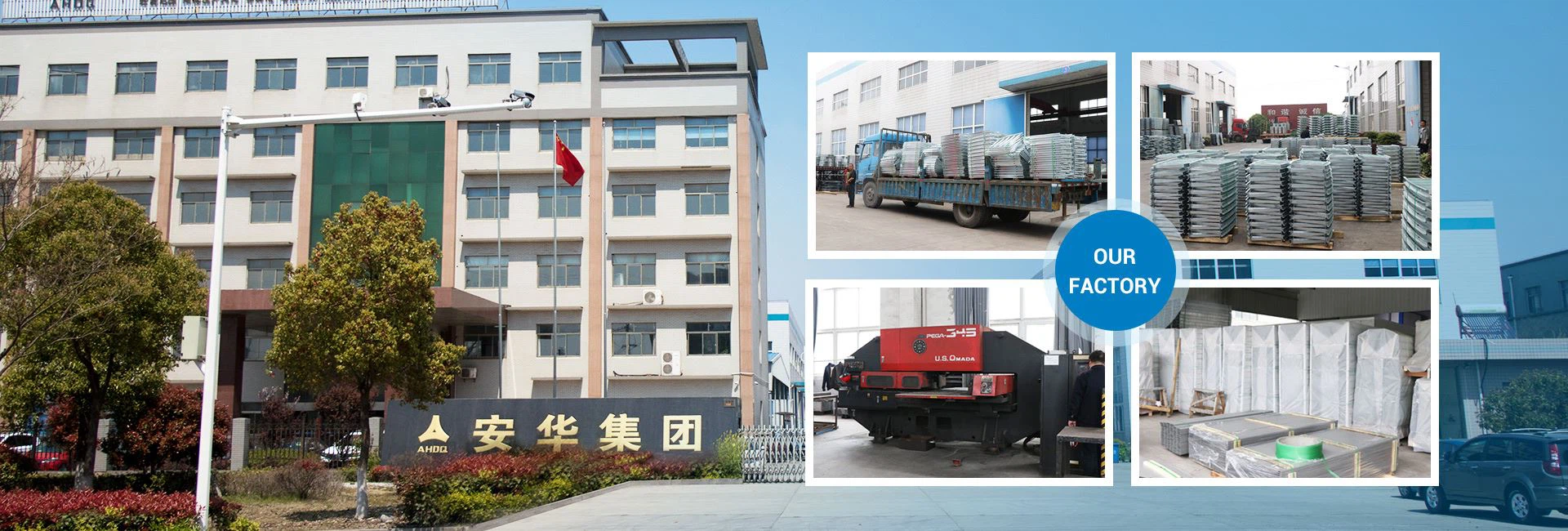
Our Factory
 

Our company –Anhua mainly produces cable trays, busways and etc. Our company is a provincial star enterprise, a secondary measurement enterprise and a super credit enterprise. In 2002, the company passed the ISO9001-2000 quality system certification. In 2005, the bus duct and switchgear passed the national 3C compulsory certification. In the same year, it obtained the certificate of "national electrical industry, assured quality and qualified products of national standards" from China Light Product Quality Assurance Center. The company has been rated as a "contract abiding and trustworthy" enterprise by provinces and cities for years.

productcate-1-1

 
certificate
 

productcate-1-1


FAQ


Q: What is a stainless steel cable tray?

A: A stainless steel cable tray is a type of cable management system made from stainless steel material. It is designed to support and organize cables in industrial or commercial settings.

Q: What are the main types of stainless steel cable trays?

A: The main types of stainless steel cable trays include ladder-style, solid-bottom, ventilated, and wire mesh. Ladder-style trays have rungs or cross members for cable support, while solid-bottom trays have a solid metal base. Ventilated trays have small holes or slots for improved airflow, and wire mesh trays have a wire mesh base for enhanced cable visibility.

Q: What are the applications of stainless steel cable trays?

A: Stainless steel cable trays are widely used in various applications, including industrial plants, commercial buildings, data centers, oil and gas facilities, food and beverage facilities, pharmaceutical facilities, and marine environments.

Q: What are the benefits of stainless steel in cable tray construction?

A: Stainless steel offers excellent corrosion resistance, even in harsh environments. It is also highly durable, providing long-lasting performance. Additionally, stainless steel has a high strength-to-weight ratio, making it suitable for supporting heavy cable loads.

Q: Can stainless steel cable trays be used in outdoor applications?

A: Yes, stainless steel cable trays are suitable for outdoor applications. Stainless steel is highly resistant to weather conditions, UV radiation, and corrosion, making it ideal for outdoor installations.

Q: Can stainless steel cable trays be used in high-temperature environments?

A: Yes, stainless steel cable trays can withstand high temperatures. Stainless steel has excellent heat resistance, making it suitable for high-temperature applications such as power plants or industrial processes.

Q: Are stainless steel cable trays suitable for corrosive environments?

A: Yes, stainless steel cable trays are highly resistant to corrosion. They can withstand exposure to chemicals, moisture, and other corrosive substances, making them ideal for corrosive environments such as chemical plants or wastewater treatment facilities.

Q: Can stainless steel cable trays be used in food and beverage facilities?

A: Yes, stainless steel cable trays are commonly used in food and beverage facilities. Stainless steel is hygienic, easy to clean, and resistant to bacteria growth, making it suitable for maintaining cleanliness in these environments.

Q: Can stainless steel cable trays be used in pharmaceutical facilities?

A: Yes, stainless steel cable trays are suitable for pharmaceutical facilities. Stainless steel is resistant to corrosion, bacteria growth, and contamination, meeting the stringent requirements of pharmaceutical environments.

Q: Can stainless steel cable trays be used in marine environments?

A: Yes, stainless steel cable trays are highly suitable for marine environments. Stainless steel is resistant to saltwater, corrosion, and harsh weather conditions, making it ideal for offshore platforms, ships, or coastal installations.

Q: Can stainless steel cable trays be used in hazardous areas?

A: Yes, stainless steel cable trays can be used in hazardous areas. They can be designed to meet specific safety standards and resist fire, making them suitable for environments with flammable materials or explosive atmospheres.

Q: Can stainless steel cable trays be customized to fit specific needs?

A: Yes, stainless steel cable trays can be customized to fit specific requirements. They can be fabricated in various sizes, shapes, and configurations to accommodate different cable types, load capacities, or installation conditions.

Q: Are stainless steel cable trays easy to install?

A: Yes, stainless steel cable trays are relatively easy to install. They often come with pre-drilled holes and accessories for quick and efficient installation. However, professional installation is recommended to ensure proper support and cable management.

Q: Can stainless steel cable trays be used for cable management in data centers?

A: Yes, stainless steel cable trays are commonly used for cable management in data centers. They provide a structured and organized pathway for cables, ensuring proper airflow, reducing cable congestion, and facilitating easy maintenance and access.

Q: Can stainless steel cable trays be used for cable management in oil and gas facilities?

A: Yes, stainless steel cable trays are commonly used for cable management in oil and gas facilities. They can withstand harsh environments, resist corrosion, and provide secure cable support in these demanding applications.

Q: Can stainless steel cable trays be used for cable management in transportation infrastructure?

A: Yes, stainless steel cable trays are commonly used for cable management in transportation infrastructure, such as airports, train stations, or highways. They provide a reliable and durable solution for supporting and organizing cables in these complex environments.

Q: Can stainless steel cable trays be used for cable management in renewable energy facilities?

A: Yes, stainless steel cable trays are suitable for cable management in renewable energy facilities, such as wind farms or solar power plants. They can withstand outdoor conditions, resist corrosion, and provide secure cable support in these applications.

Q: Can stainless steel cable trays be used for cable management in mining operations?

A: Yes, stainless steel cable trays are commonly used for cable management in mining operations. They can withstand rugged and harsh environments, providing a reliable solution for supporting and organizing cables in these demanding applications.

Q: Can stainless steel cable trays be used for cable management in telecommunications?

A: Yes, stainless steel cable trays are suitable for cable management in telecommunications. They provide a structured and organized pathway for cables in large-scale networks, ensuring proper support, and facilitating easy maintenance and access.

Q: Can stainless steel cable trays be used for cable management in laboratories?

A: Yes, stainless steel cable trays are commonly used for cable management in laboratories. They provide a clean and hygienic solution for supporting and organizing cables in controlled environments, ensuring safety and efficiency.

As one of the most professional stainless steel cable tray manufacturers and suppliers in China, we're featured by quality products and good service. Please rest assured to wholesale customized stainless steel cable tray made in China here from our factory.

304 Stainless Steel Cable Tray, wire management tray for desk, tray for cables
goTop

(0/10)

clearall