Zhenjiang ACE Electric Group CO., LTD

Trough Cable Tray

What is Trough Cable Tray?


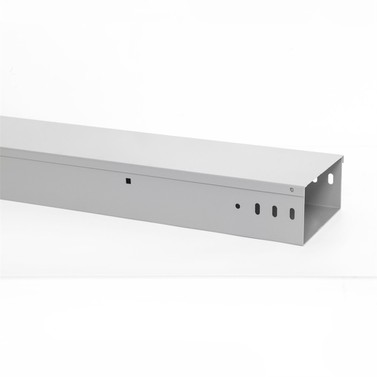
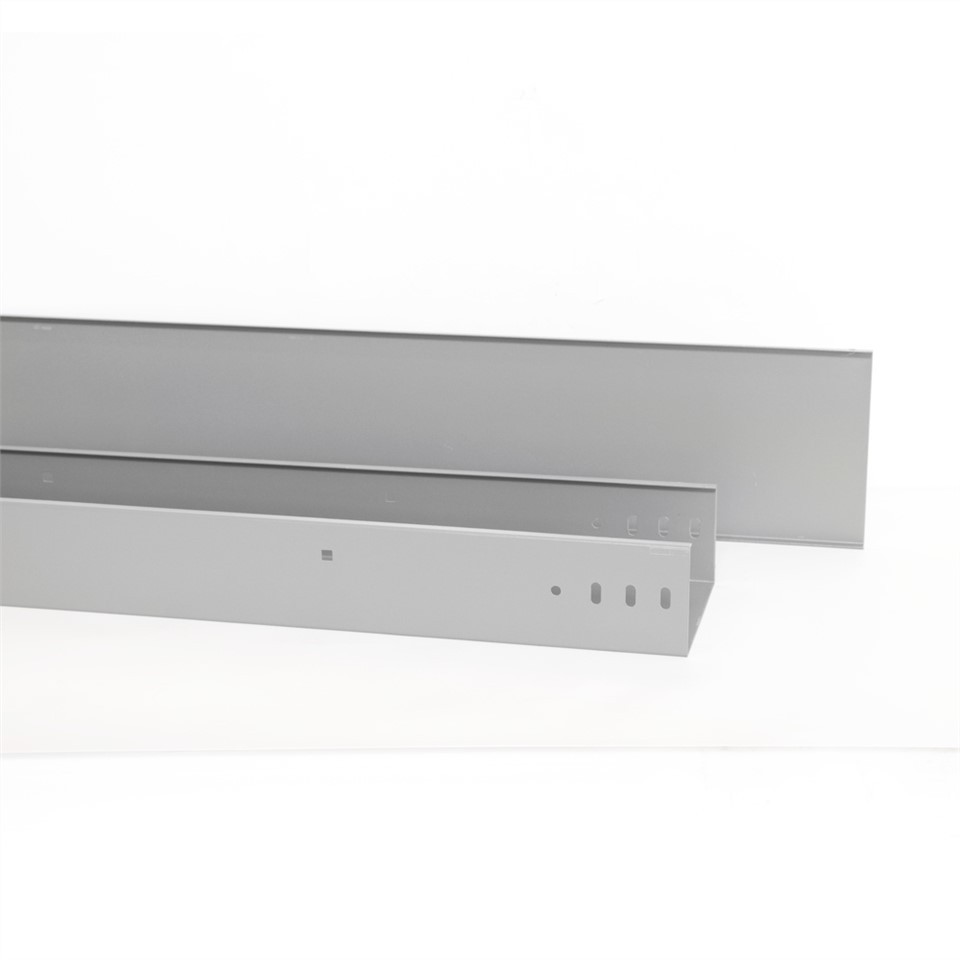
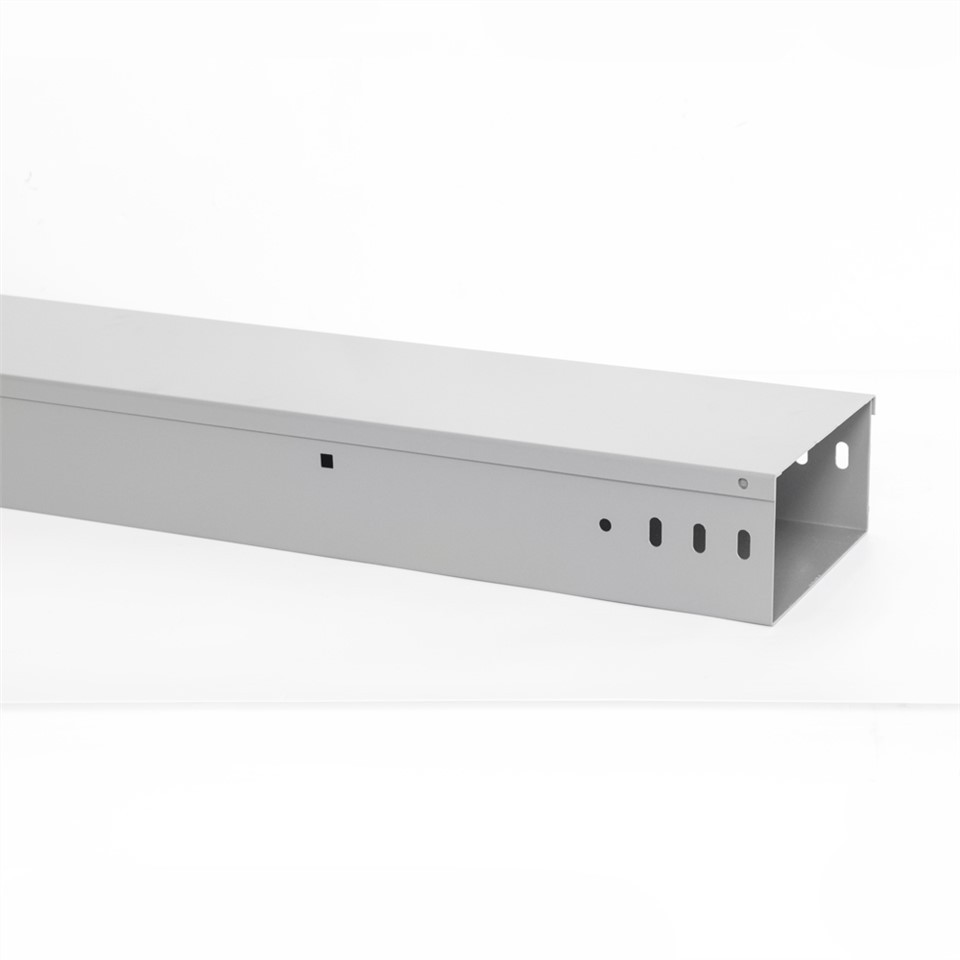
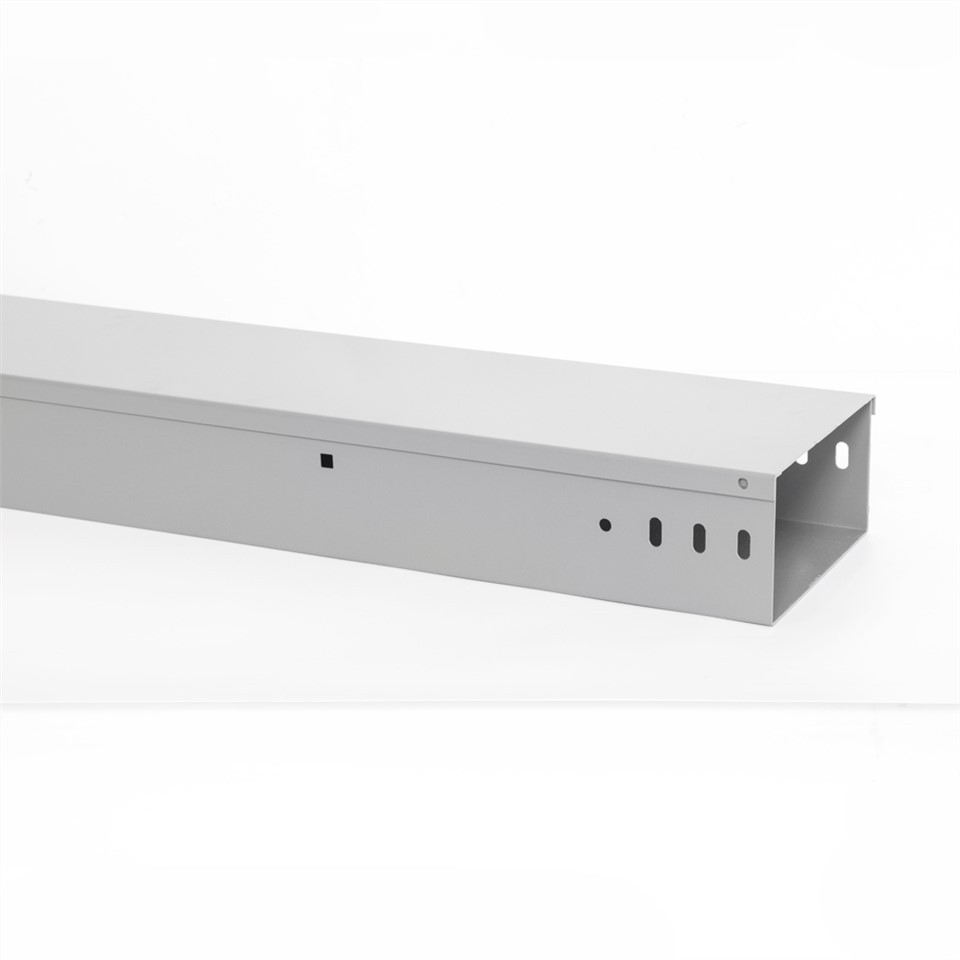
A trough cable tray is a type of cable support system used to route and manage electrical cables in a safe and organized manner. It consists of a long, rectangular trough or channel made of metal, plastic, or other materials, with both sides and a curved bottom. The tray provides a continuous and spacious pathway for multiple cables to run through, keeping them off the ground and protecting them from damage and interference.

Why Choose Us

Professional service

The company has a perfect customer service, the service into every detail of the work.

Quality assurance

Our expertise in Cable Tray Accessories manufacturing ensures that our products are always of the highest quality.

Delivery On Time

Our team is committed to providing timely and efficient delivery, ensuring that your orders arrive on time and in perfect condition.

24h online service

You can contact us to inquire about pre-sales, sales, and after-sales services, and we will give you a very satisfactory We are at your service online 24 hours a day.
Advantages of Trough Cable Tray


modular-1

Increased cable capacity

Compared to other cable management options, trough cable trays can hold an increased number of cables, making them ideal for use in areas where there is a high concentration of wires.

 
modular-2

Easy access

Trough cable trays have a unique open design that provides easy access to the cables for maintenance or reconfiguration purposes.

modular-3

Enhanced air flow

The open design of trough cable trays also allows for increased air flow, which helps prevent overheating and improves the performance of the cables.

modular-4

Versatile

Trough cable trays are available in a variety of sizes, materials, and finishes to suit different needs. They can be used in all types of environments, including industrial, commercial, and residential buildings.


Types of Trough Cable Tray


productcate-377-307

Standard channel cable tray

This is the most common type and comes in various sizes. It is suitable for most industrial cable management requirements.

productcate-377-307

Solid bottom channel cable tray

This channel cable tray is great for applications that require maximum cable support.

productcate-377-307

Ladder-type channel cable tray

This channel cable tray resembles a ladder and is designed with side rails that support the cables. These cables are fantastic for heavy-duty applications, such as high voltage power lines management.

productcate-377-307

Wire mesh channel cable tray

This type is designed with a wire mesh bottom that provides a versatile and robust cable support system. It is great for applications where cables need ventilation, such as cooling systems., and residential buildings.


productcate-626-468


Material of Trough Cable Tray

PVC Truffing Trough Cable Trays are offered in aluminum, hot dipped galvanized material, MS powder coated, and stainless steel. These trays are resistant to corrosion and are made from genuine stainless steel metal that provides strength.


Application of Trough Cable Tray
1. Commercial buildings

Trough cable trays are commonly used in commercial buildings such as malls, hospitals, and airports. These types of buildings require a large amount of electrical wiring and cabling, which makes the use of trough cable trays essential for proper organization and management of the cables.

2. Industrial settings

Trough cable trays are widely used in industrial settings such as manufacturing facilities, warehouses, and power plants. These settings often have a complex system of electrical wiring, which requires a well-designed cable management system to keep everything organized.

3. Data centers

Trough cable trays are used in data centers to manage the complex network of cables required for proper data center operations. The use of trough cable trays helps to improve the organization of cables in the data center, and also allows for easy access to cables for maintenance and repair.

4. Outdoor applications

Trough cable trays can also be used in outdoor applications such as construction sites or outdoor event venues. In these settings, the cables and wires need to be protected from the elements, and a trough cable tray system can help to ensure the safety of the cables while also managing their placement.


Components of Trough Cable Tray

Bottom

The tray''s bottom provides support for the cables and wires.

Sides

The sides of the tray provide secure walls to prevent cable spilling and ensure optimum spacing between the wires.

Couplings

Couplings are used to join together two separate channel cable trays for continuous cable management.

Reducer

Reducers are used to change the size of the channel cable tray to accommodate smaller cable sizes.


Maintenance of Trough Cable Tray
productcate-800-450
01

Cleaning and inspection

The first step in Trough Cable Tray maintenance is cleaning and inspection. Trough Cable Tray should be visually inspected for signs of corrosion, damage, or misalignment.Any debris or foreign material should be removed from the tray and its supports. A proper cleaning and inspection should be performed at least once a year or more frequently in harsh environments.

02

Repairs and replacements

If any damage is identified during the inspection, it should be repaired or replaced immediately.Any repairs or replacements should be made using materials that are compatible with the original installation.It is important to avoid any mixing of materials that may lead to galvanic corrosion.

productcate-800-450
productcate-800-450
03

Lubrication

Trough Cable Tray systems often contain moving parts, such as support brackets and rollers. These parts should be lubricated to reduce friction and prevent wear and tear.However, it is essential to use a lubricant that is compatible with the material of the Trough Cable Tray and the environment in which it operates.

04

Corrosion protection

Trough Cable Tray are typically made of metal and are susceptible to corrosion. Corrosion can lead to weakened structures, which can compromise the safety of the Trough Cable Tray system.To prevent corrosion, Trough Cable Tray should be coated with a suitable protective coating that is appropriate for the environment in which it operates.

productcate-800-450


How to Choose Trough Cable Tray


Consider the load
The first thing to consider when choosing a trough cable tray is the weight and size of the cables it will support. The tray should be able to handle the total weight of the cables and any additional equipment that may be connected to it.


Choose the material
Trough cable trays can be made from a variety of materials, including aluminum, steel, and plastic. Each material has its own advantages and disadvantages, so it's important to choose one that is appropriate for your specific needs. For example, aluminum is lightweight and corrosion-resistant, but not as strong as steel; steel is heavy and rust-prone, but offers excellent strength and durability.


Look for safety features
Another important consideration is the safety features of the tray. A good tray should have non-slip surfaces, sharp edges, and other features that prevent accidental injuries. It should also be designed to withstand environmental conditions, such as temperature and humidity, to prevent damage to the cables and other equipment.


Compatibility with your electrical system
Finally, make sure to choose a trough cable tray that is compatible with your electrical system. The tray should be designed to fit within the dimensions of your existing infrastructure, and should comply with all relevant safety standards and regulations. Additionally, the tray should be easy to install and configure, allowing you to quickly and easily set up a safe and efficient electrical system.


How to Install Trough Cable Tray
316 Stainless Steel Cable Tray

Prepare the installation site

Before installing the trough cable tray, ensure that the installation site is clean, flat, and free from obstacles. The tray should be installed in a location that is easily accessible and can accommodate the size and length of the cables.

Galvanized Perforated Cable Tray

Assemble the cable tray

The cable tray should be assembled according to the manufacturer's instructions. This typically involves attaching the rungs of the tray together using bolts or other fasteners. Make sure to use appropriate fasteners and hardware to ensure the tray is stable and secure.

Hot Dip Galvanized Perforated Cable Tray

Install the cable tray

Once the tray is assembled, it should be installed in a location that is above the ground, and parallel to the floor. The tray should be installed at a height that allows easy access to the cables, but is also safe and secure. The tray should be positioned so that the rungs of the tray are spaced at appropriate intervals to accommodate the size and length of the cables.

Aluminum Trunking Cable Tray

Secure the cable tray

Once the tray is installed, it should be secured in place using appropriate fasteners, such as bolts or brackets. The tray should be installed in a manner that prevents it from moving or shifting, which can cause damage to the cables or create a tripping hazard. Additionally, the tray should be anchored to a solid surface to ensure stability and safety.


Things to Note When Using Trough Cable Tray
 
01/

Load capacity
The trough cable tray must be able to support the weight of the cables and any other equipment or devices that may be connected to it. The tray should have a load capacity that is sufficient to meet your specific needs. It is important to consider the weight of the cables, as well as any additional weight that may be added to the tray, such as insulators or other accessories.

02/

Environmental conditions
The environmental conditions in which the trough cable tray is used can affect its performance and longevity. The tray should be selected and installed to withstand the environmental conditions in your electrical system, such as temperature, humidity, and corrosive environments.

03/

Safety features
The trough cable tray should have features that prevent cables from falling or slipping, and it should be designed to withstand the environmental conditions in your electrical system. The tray should also be easy to inspect and maintain, to ensure that any potential safety issues are addressed promptly.

04/

Regular maintenance
Regular maintenance of the trough cable tray is essential to ensure safe and efficient operation. This typically involves periodic inspections, cleaning, and lubrication of the tray components. Regular maintenance helps to prevent potential issues before they occur and prolong the lifespan of the trough cable tray.


Working Principle Bus Duct


The working principle of a bus duct is based on the use of a central conductor rod or bus bar to distribute electrical current to multiple loads. The bus bar is typically mounted in a duct or enclosure, and is connected to various branch circuits through a series of conductors. When electrical current flows through the bus bar, it creates a magnetic field that induces a voltage in the surrounding circuit wires. This voltage can then be used to power various devices or loads, such as lights, motors, or electronic equipment. By using a bus duct, electrical systems can be more efficiently and safely distributed, and the overall performance and reliability of the system can be improved.

 
Our Factory


Our company –Anhua mainly produces cable trays, busways and etc.
Our company is a provincial star enterprise, a secondary measurement enterprise and a super credit enterprise. In 2002, the company passed the ISO9001-2000 quality system certification. In 2005, the bus duct and switchgear passed the national 3C compulsory certification.


productcate-1-1

productcate-1-1

FAQ

Q: What is a trough cable tray used for?

A: Trough Cable Tray is used to carry smaller instrumentation, data communications, computer, telephone, control and fiber optic cable from one location to another.

Q: What is a trough cable tray?

A: A trough cable tray is a type of cable management system that consists of a trough-shaped channel designed to hold and support cables.

Q: What are the benefits of using a trough cable tray?

A: Organizing and managing cables more efficiently and safely to prevent damage and ensure easy access.

Q: What materials are trough cable trays made of?

A: Typically galvanized or painted, steel offers high strength, durability, and resistance to corrosion and fire.

Q: What are some types of trough cable trays?

A: Solid-bottom: with a solid metal or fiberglass bottom, this type offers full cable support and protection.

Q: How do I choose the right trough cable tray?

A: Cable type and quantity: determine the size and weight of your cables and ensure that the tray can accommodate them and provide adequate support.

Q: What is cable tray span?

A: The support span is the distance of cable tray between supports. Your cable tray length must always be longer than or equal to the support span you have selected. It is strongly recommended that only one cable tray splice plate be placed between support spans.

Q: What is the difference between cable tray and duct?

A: Cable ducts differ from trays in that they are closed. They are hollow sections of rectangular, triangular, square or other cross-section with a flat base with removable covers or blind, with perforated surfaces or not. Ducts with removable covers are used for open electrical wiring.

Q: Which type of cable tray is best?

A: Solid-bottom (non-ventilated) cable trays are preferred for fiber-optic cable installations when the performance of the system may be impacted by cable drooping. still, a concern for electromagnetic/radio-frequency interference protection is the fundamental justification for choosing solid-bottom trays.

Q: What is the difference between cable trunking and cable tray?

A: The purpose of a cable tray is simply to support and guide the wiring. The purpose of a trunking, on the other hand, is to protect the wiring from impact and weather conditions and at the same time to protect people from electrical accidents, as the risk of unintentional contact with the cables is eliminated.

Q: How do I choose a cable tray?

A: The cable tray types to choose from are ladder, ventilated trough, or solid bottom. What are the reasons for selecting a specific type of cable tray? The engineer or designer should select the type of cable tray that has the features which best serve the project's requirements.

Q: What is the most common type of cable tray?

A: Ladder cable trays are the most common type of cable tray and are typically used in industrial and commercial applications. They feature a series of parallel metal rungs that resemble a ladder, with wires and cables laid across the rungs.

Q: What is a cable tray also known as?

A: Commonly known as: trough, ventilated cable tray. Cable tray is used for project planning: It is much easier to lay new cables onto a tray system as the needs of a project changes over time, rather than have to pull them through a prior installed length of conduit pipe.

Q: What are the three uses of cable trays?

A: Cable trays are the mechanical support system that provides rigid protection for electrical cables raceways, and insulated conductors used for electric power distribution, control, signal instrumentation, and communication.

Q: How do you determine cable tray size?

A: When using solid bottom cable tray, the sum of the cable diameters is not to exceed 90% of the available cable tray width. The sum of the diameters (Sd) of all cables = 2.26 + 3.52 + 6.20 = 11.98 inches; therefore a cable tray with an available width of at least 12 inches is required.

Q: What are the three basic types of cables?

A: Twisted pair, coaxial cables and fiber optic cable are three major network cable types in the communication systems. They have different cable structions, speed, bandwidth, and applications. All of them will benefit both in our daily life and in network construction work.

Q: Do cable trays need to be earthed?

A: If the tray is an exposed conductive part it requires earthing. If the tray is and extraneous conductive part it requires bonding.

Q: What is trough cable?

A: Cable troughs are mainly laid alongside railway tracks, and carry and protect all kinds of cables, for communications, signals, and electrical power distribution and transmission.

Q: What is the standard size of cable tray?

A: Standard depths of 25, 40, 50, 75, 100mm. Standard lengths of 2.5 Mtrs. Covers for Perforated Cable Trays shall be Pre galvanised, Powder Coated (Stainless Steel and Aluminium also available on Request).

Q: What is the difference between a cable tray and a ladder tray?

A: Generally, cable ladders are preferred for supporting high volume or heavy cabling, especially if there are long spans between supports. Cable trays are typically used for light weight cable support, in addition to instrumentation and tubing.

As one of the most professional trough cable tray manufacturers and suppliers in China, we're featured by quality products and good service. Please rest assured to wholesale customized trough cable tray made in China here from our factory.

fibre optic breakout tray, 300mm heavy duty cable tray, cable tray fitting
goTop

(0/10)

clearall