Zhenjiang ACE Electric Group CO., LTD

Channel Cable Tray

What Is Channel Cable Tray

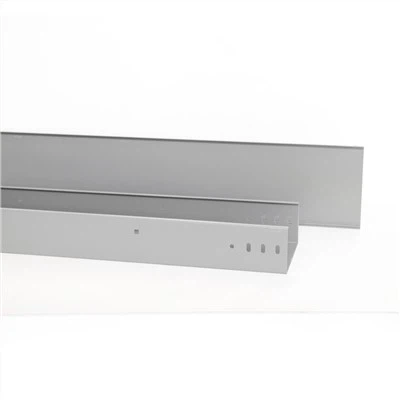
A channel cable tray is a type of cable management system designed to support and organize electrical cables within buildings and industrial facilities. It consists of a metal channel with sides and a bottom, forming a U-shaped profile that provides a protective and structured pathway for cables. The channel cable tray is often used in commercial and industrial settings due to its durability, flexibility in design, and ability to accommodate a wide variety of cable sizes and configurations. It can be installed on walls, ceilings, or floors and is particularly useful for running cables along long distances or through complex layouts, ensuring that the cables remain organized, accessible, and protected from physical damage and environmental factors.

 
Advantages of Channel Cable Tray
 
01/

Organized cable routing
Channel cable trays offer a controlled routing system for cables, ensuring they are neatly aligned and easy to identify. This organized routing not only improves the aesthetics of the workspace but also simplifies cable management, making it easier to trace, maintain, and replace cables when necessary.

02/

Enhanced safety
By keeping cables contained within the tray, channel cable trays reduce the risk of trips and falls, ensuring a safer working environment. Additionally, they protect cables from damage caused by foot traffic, vehicle movement, or other potential hazards.

03/

Improved airflow and cooling
Channel cable trays allow for better airflow around cables, which helps dissipate heat and maintains the efficiency of the cabling system. This is crucial in high-density cable installations or environments where heat can be a concern, such as data centers or industrial facilities.

04/

Ease of installation and maintenance
Channel cable trays are designed for quick and easy installation, often using a snap-together or bolt-on assembly. They can be mounted to walls, floors, or ceilings, depending on the specific application. Once installed, they provide a convenient platform for adding, removing, or replacing cables, greatly simplifying maintenance tasks.

05/

Cost-effectiveness
Although channel cable trays may require an initial investment, they offer long-term cost savings by reducing the time and effort required for cable management. This can translate into lower labor costs, fewer cable-related issues, and a more efficient overall operation.

06/

Scalability and expandability
As cabling needs grow or change, channel cable trays can be easily expanded or modified to accommodate new cables. This scalability allows for future growth without the need for complete system replacements or major modifications.

Why Choose Us
 

High quality

Our products are manufactured or executed to a very high standard, using the finest materials and manufacturing processes.

Professional team

Our professional team collaborates and communicates effectively with each other, and is dedicated to delivering high quality results. We are capable of handling complex challenges and projects that require our specialized expertise and experience.

Quality control

We have built a professional quality control team to accurately inspect every raw material and every production process.

Competitive price

We offering a higher-quality product or service at an equivalent price. As a result we have a growing and loyal customer base.

Customized services

We understand that each customer has unique manufacturing needs. That’s why we offer customization options to cater to your specific requirements.

24H online service

We try and respond to all concerns within 24 hours and our teams are always at your disposal in case of any emergencies.

Types of Channel Cable Tray
 

Steel wire cable tray
Steel wire cable trays are one of the most popular types of channel cable trays. They are lightweight, easy to install, and can be used for various applications, including indoor and outdoor installations. Steel wire cable trays are typically made from galvanized steel or stainless steel, which provides excellent corrosion resistance and durability. They are available in different shapes and sizes, including flat, perforated, and ventilated styles.

Aluminum cable tray
Aluminum cable trays are another type of channel cable tray that is popular for indoor installations. They are lightweight, easy to install, and offer good corrosion resistance. Aluminum cable trays are typically made from extruded aluminum or rolled aluminum and are available in various shapes and sizes, including flat, perforated, and ventilated styles. They are often used in applications where weight is a concern, such as in suspended ceiling systems.

Fiberglass cable tray
Fiberglass cable trays are ideal for use in environments where corrosive chemicals or harsh conditions exist. They are made from fiberglass reinforced plastic (frp) and are resistant to corrosion, chemicals, and uv radiation. Fiberglass cable trays are available in various shapes and sizes, including flat, perforated, and ventilated styles. They are often used in industrial and chemical processing applications.

Ladder cable tray
Ladder cable trays are similar to steel wire cable trays but feature a ladder-like design. They are made from galvanized steel or stainless steel and are designed to provide excellent support and stability for cables. Ladder cable trays are available in various shapes and sizes, including single and double ladder styles. They are often used in heavy-duty applications where cables require significant support.

Trough cable tray
Trough cable trays are a type of channel cable tray that features a u-shaped design. They are made from galvanized steel, stainless steel, or aluminum and are designed to provide excellent protection for cables. Trough cable trays are available in various shapes and sizes, including flat, perforated, and ventilated styles. They are often used in applications where cables require significant protection from environmental factors, such as in outdoor installations or in areas where water or moisture is present.


How to Store Channel Cable Tray

Clean and dry storage area:The first step in storing channel cable tray is to choose a clean and dry storage area. Dampness and moisture can cause rust and corrosion, which can compromise the integrity of the cable tray. Ensure that the storage area is free from debris, chemicals, and other substances that could potentially damage the cable tray.
Proper orientation:When storing channel cable tray, it is important to store it in the correct orientation. The trays should be stored with the bottom facing up to prevent any objects from falling into the channels and causing damage. If possible, store the trays in their original packaging or on pallets to protect them from the floor.
Avoid direct sunlight:Exposure to direct sunlight can cause the material of the cable tray to expand and contract, which can lead to warping and other damages. When storing channel cable tray, choose a location that is out of direct sunlight and away from heat sources.
Stack carefully:If you need to stack the channel cable tray, do so carefully to avoid damaging the trays. Use wooden blocks or dunnage to separate the layers and provide support. Do not stack more than three or four layers high to prevent instability and potential collapse.
Protect from scratches and dents:Channel cable tray can be scratched or dented during storage, which can affect its appearance and functionality. To prevent this, cover the trays with protective blankets or foam padding. Avoid placing heavy objects on top of the covered trays to prevent damage.
Regular inspections:Regular inspections of the stored channel cable tray are essential to ensure that it remains in good condition. Check for signs of rust, corrosion, warping, or other damages. If any damage is detected, address it promptly to prevent further deterioration.

Powder Coated Channel Cable Tray
Application of Channel Cable Tray
 

Industrial facilities
In industrial settings, such as factories, power plants, and chemical processing units, the environment can be harsh with potential exposure to chemicals, heat, and mechanical damage. Channel cable trays provide a sturdy and durable platform for laying out control cables, instrumentation cables, and power cables. They are often made from galvanized steel, stainless steel, or aluminum to resist corrosion and withstand high temperatures. The design allows for easy maintenance and upgrade of cable systems without disrupting operations.
Office buildings and data centers
In office buildings and data centers, aesthetics and organization are important, alongside functionality. Channel cable trays offer a clean and organized way to run network cables, phone lines, and power cables throughout the building. They are often installed overhead to save floor space and to keep cables out of sight, contributing to a more professional and clutter-free environment.
Retail and commercial spaces
Retail stores, shopping malls, and commercial spaces use channel cable trays to manage lighting, security systems, and communication cables. They help in keeping the cables concealed yet accessible, which is vital for both safety and maintenance purposes. The trays also allow for future expansion or modification of the electrical systems as businesses grow or technology evolves.
Outdoor installations
Channel cable trays are suitable for outdoor use, where they protect cables from exposure to the elements. They are commonly used in outdoor lighting systems, traffic control systems, and other outdoor electronic installations. The materials used for outdoor applications are selected based on their resistance to uv radiation, moisture, and varying weather conditions.
Hospitals and healthcare facilities
In hospitals, cleanliness and hygiene are paramount. Channel cable trays are used to manage medical equipment cables, communication cables, and power supplies in an organized manner. They are often constructed from materials that are easy to clean and disinfect, reducing the risk of contamination.
Transportation systems
Airports, subways, and railways employ channel cable trays for managing the extensive cabling required for signaling, communication, and power distribution systems. These systems must be highly reliable and able to withstand the constant movement and vibration associated with transportation hubs.
Energy sector
In renewable energy projects, such as wind farms and solar power plants, channel cable trays are used to route power cables from generators to the grid safely and efficiently. They are also used in traditional power generation facilities, like coal and nuclear plants, for the same purpose.
Marine and offshore applications
Channel cable trays are specially designed for marine environments to handle the corrosive nature of saltwater and the constant motion of ships and offshore platforms. They are used to manage navigation systems, communication equipment, and power cables.

Precautions When Using Channel Cable Tray


Structural integrity
Ensure that the chosen cable tray system is appropriate for the weight and type of cables it will carry. Overloading the tray can lead to deformation or failure, potentially causing a hazardous situation. Consider future expansions and sufficient capacity.
Corrosion protection
Protect the cable tray from corrosion, especially if it's installed in environments prone to moisture, chemicals, or saltwater. Use corrosion-resistant materials or apply coatings and finishes as necessary. Regular inspection and maintenance can also help identify and address early signs of corrosion.
Fire safety
Select cable trays made from fire-resistant materials if they are to be used in areas with a higher risk of fire. Additionally, ensure that the cables within the tray have adequate fire ratings and that the tray system does not impede fire suppression systems.
Electromagnetic interference (emi) shielding
In applications where emi could be a concern, such as near sensitive electronic equipment, use shielded cable trays or add shielding materials to reduce the risk of interference. This can help maintain the integrity of data transmissions and prevent equipment malfunctions.
Mechanical damage prevention
Protect the cable tray from physical impact and abrasion. Install barriers or guards where necessary to prevent tools, machinery, or personnel from coming into contact with the cables. In areas with heavy foot traffic or moving equipment, consider raising the cable tray above ground level.
Thermal management
Consider the heat generated by the cables running through the tray. Ensure there is adequate spacing between cables and the tray itself to allow for proper airflow and cooling. In high-heat environments, use thermal insulation materials to prevent overheating.
Grounding and bonding
Proper grounding and bonding of the cable tray system are essential to prevent electrical shocks and to ensure the safe dissipation of electrical fault currents. Follow the applicable codes and standards for grounding conductors and connect the tray system to the building's grounding system.
Cable management
Use organizers, dividers, and labels within the tray to manage the cables effectively. This not only improves aesthetics but also makes it easier to trace and troubleshoot cables if necessary.

How Do I Choose the Right Channel Cable Tray

Application requirements
First, consider the environment where the cable tray will be installed. Factors such as temperature, humidity, exposure to chemicals, and mechanical stress will influence the choice of material and design. For example, stainless steel may be appropriate for corrosive environments, while aluminum may be preferred for lighter loads and where weight is a concern.

Material selection
The material of the channel cable tray affects its strength, durability, and cost. Common materials include steel (galvanized or stainless), aluminum, and pvc. Steel is strong and durable but can be heavy and prone to rust. Aluminum is lightweight and resistant to corrosion but may be less structurally robust. Pvc is lightweight and cost-effective but has limited load-bearing capacity.

Load capacity
Determine the weight of the cables and any additional loads that the cable tray will need to support. Choose a tray with a load capacity that exceeds the expected weight to ensure safety and longevity. Overloading the cable tray can lead to structural failure and potential accidents.

Size and configuration
Consider the size and configuration of the cable tray to accommodate the number and type of cables. The width, depth, and length of the tray should be sufficient to house all the cables comfortably without causing excessive bending or strain. Additionally, think about the spacing between the trays to allow for easy access and maintenance.

Installation method
The installation method will depend on the location and complexity of the project. Consider whether the cable tray will be suspended from the ceiling, mounted on walls, or laid on the ground. Choose a tray that is compatible with the chosen installation method and can be easily secured in place.

Compatibility with cables
Ensure that the cable tray is compatible with the type of cables it will be carrying. Some trays have grooves or channels specifically designed for certain cable types, such as fiber optic cables or coaxial cables. Choose a tray that provides adequate protection and support for the cables.

Powder Coated Trough Cable Tray


Production Methods of Channel Cable Tray

Channel cable trays are versatile structures used for supporting and protecting cables in various industrial and commercial settings. They are designed to provide a durable and organized platform for routing power and communication cables throughout buildings, factories, and infrastructure projects. The production methods for channel cable trays vary depending on the material used, which typically includes steel, aluminum, or fiberglass. Steel is one of the most commonly used materials for cable trays due to its strength, durability, and cost-effectiveness. Steel sheets are cut into the desired size and shape using laser cutting or plasma cutting machines. The cut pieces are then bent into the required angles using CNC bending machines to form the channels. The bends are welded together to create a continuous channel. The welding process may involve spot welding, MIG welding, or TIG welding, depending on the requirements. After welding, the trays are subjected to various finishing processes such as sandblasting, painting, or powder coating to protect them from corrosion and improve their appearance. Aluminum cable trays are lighter than steel trays and offer excellent resistance to corrosion. Aluminum sheets are cut using similar methods as steel, but with specialized cutting tools designed for softer metals. Aluminum has a higher ductility than steel, making it easier to bend without cracking. Bending machines specifically designed for aluminum are used to form the channels. Aluminum trays are typically joined using riveting or bolting rather than welding, as welding aluminum can be more challenging due to its high thermal conductivity and tendency to oxidize. Aluminum trays are often anodized or painted to further enhance their corrosion resistance and aesthetic appeal. Fiberglass cable trays are ideal for use in corrosive environments and are resistant to chemicals and UV radiation.

What Are the Components of Channel Cable Tray
 
1

Tray bodies
These are the main structural elements of the cable tray, usually made from metal such as steel or aluminum. They come in various shapes and sizes, including straight sections, corner sections, and drops. The body of the tray provides the necessary support for the cables and allows them to be organized and protected as they traverse through the facility.

2

Mounting brackets
These are the components that secure the tray bodies to the building structure or other support surfaces. They can be attached to ceilings, walls, or floors, depending on the installation requirements. Mounting brackets must be strong enough to support the weight of the tray and its contents, as well as any dynamic loads that may occur during operation.

3

Cable ties and straps
These are used to secure the cables within the tray, keeping them neatly organized and preventing them from moving around or becoming tangled. Cable ties are typically made from plastic or nylon, while straps may be made from metal or reinforced fabric.

4

Accessories
These components are used to customize the cable tray system to meet specific needs. They include elbows, tees, reducers, and other connectors that allow the tray to change direction or branch off. Other accessories may include ladder racks, which provide additional space for larger cables or bundles, and cable management systems, which help organize and protect cables as they enter or exit the tray.

5

Support systems
These components provide additional stability and support for the cable tray system. They may include cross-braces, hangers, and other supports that distribute the weight of the tray and its contents evenly across the building structure.

6

Covers
These are optional components that can be placed over the top of the cable tray to protect the cables from environmental factors such as dust, dirt, and moisture. Covers can also provide additional security by preventing unauthorized access to the cables.


What Are the Weight Capacities of Channel Cable Trays?
The weight capacities of channel cable trays are determined by a variety of factors, including the material of construction, the design of the tray, the span between supports, and the manner in which the cables are arranged within the tray. It is essential to accurately calculate the weight that a cable tray system will carry to ensure that it remains safe and functional throughout its intended lifespan. The material from which a cable tray is made significantly influences its strength and weight capacity. Common materials include galvanized steel, stainless steel, aluminum, and fiberglass. Galvanized steel is widely used for its high strength and relatively low cost. It offers good corrosion resistance and can support heavy weights. Weight capacities for steel trays can range from 100 pounds per linear foot for light-duty applications to over 1,000 pounds per linear foot for heavy-duty applications. Stainless steel cable trays are chosen for their excellent corrosion resistance and high strength. They are often used in harsh environments where other materials might fail. Stainless steel trays can support similar weight capacities to galvanized steel, but their cost is generally higher. Aluminum cable trays are lightweight and have good corrosion resistance, making them suitable for a variety of applications. Although they are not as strong as steel trays, they can still support significant weights, typically ranging from 50 to 500 pounds per linear foot, depending on the tray design and span. Fiberglass cable trays are known for their non-conductive properties and high resistance to chemicals and corrosive substances. They are also lightweight and can support moderate weights, generally up to 250 pounds per linear foot, although this can vary based on the specific design and reinforcement. The design of the cable tray, including its cross-sectional shape and the presence of internal bracing or stiffeners, plays a crucial role in determining its weight capacity. Trays with a deeper 'U' shape or a wider flange can typically support more weight than those with a narrower profile. Internal stiffeners add rigidity and can increase the load-bearing capacity. The distance between the supports or hangers to which the cable tray is attached affects its ability to carry weight. Longer spans require more structural support to prevent sagging or failure. Shorter spans can generally support heavier loads, as the weight is distributed over a shorter distance.

 
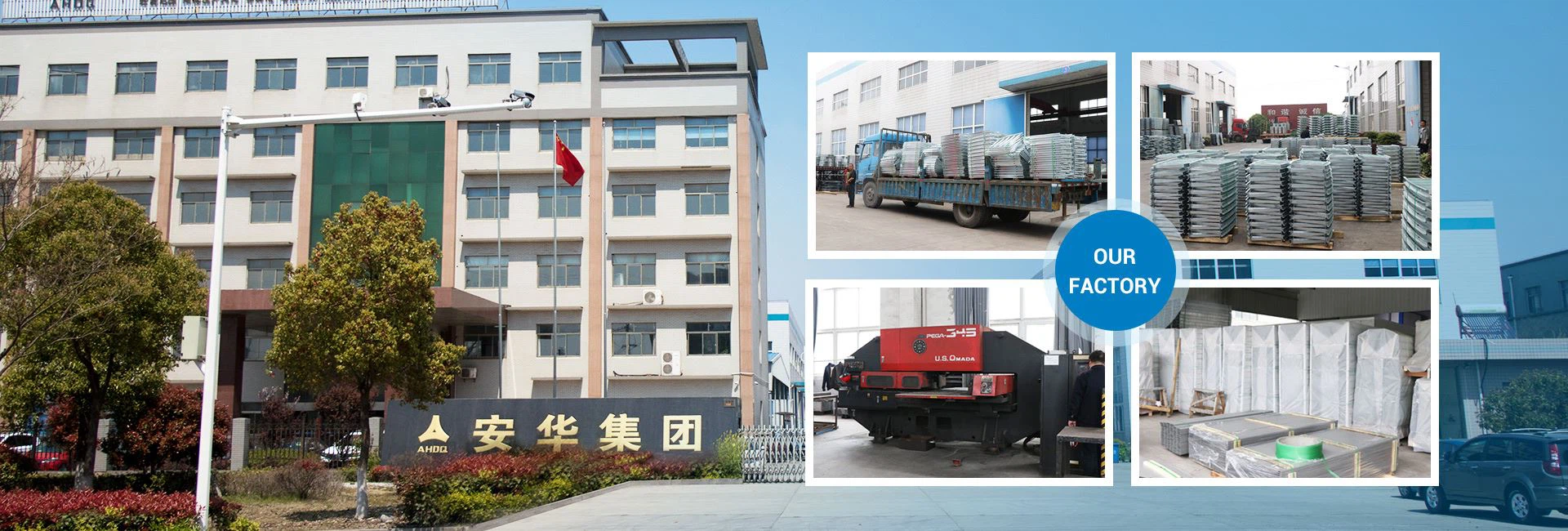
Our Factory
 

Our company –Anhua mainly produces cable trays, busways and etc. Our company is a provincial star enterprise, a secondary measurement enterprise and a super credit enterprise. In 2002, the company passed the ISO9001-2000 quality system certification. In 2005, the bus duct and switchgear passed the national 3C compulsory certification. In the same year, it obtained the certificate of "national electrical industry, assured quality and qualified products of national standards" from China Light Product Quality Assurance Center. The company has been rated as a "contract abiding and trustworthy" enterprise by provinces and cities for years.

productcate-1-1

 
certificate
 

productcate-1-1


FAQ


Q: What is a channel cable tray?

A: A channel cable tray is a type of cable management system used to support and organize cables in industrial or commercial settings. It consists of a series of metal channels or troughs that provide a pathway for cables.

Q: What are the main types of channel cable trays?

A: The main types of channel cable trays include solid-bottom, ventilated, and ladder-style. Solid-bottom trays have a solid metal base, while ventilated trays have small holes or slots for improved airflow. Ladder-style trays have rungs or cross members that provide additional support for cables.

Q: What are the weight capacities of channel cable trays?

A: The weight capacities of channel cable trays vary depending on the tray's size, material, and design. Most trays have weight capacities ranging from 50 to 200 pounds per foot.

Q: Can channel cable trays be used for outdoor applications?

A: Yes, some channel cable trays are designed for outdoor applications. These trays are typically made of materials that are resistant to weather and corrosion, such as stainless steel or aluminum.

Q: Can channel cable trays be used for high-temperature applications?

A: Yes, some channel cable trays are designed for high-temperature applications. These trays are typically made of materials that can withstand high temperatures, such as stainless steel or fiberglass.

Q: Can channel cable trays be used for hazardous environments?

A: Yes, some channel cable trays are designed for hazardous environments. These trays are typically made of materials that are resistant to chemicals, corrosion, and fire, and are designed to meet specific safety standards.

Q: Can channel cable trays be used for cable management in data centers?

A: Yes, channel cable trays are commonly used for cable management in data centers. They provide a structured and organized way to support and route cables, reducing the risk of cable damage and improving airflow.

Q: Can channel cable trays be used for cable management in industrial settings?

A: Yes, channel cable trays are commonly used for cable management in industrial settings. They provide a durable and reliable way to support and organize cables in harsh environments.

Q: Can channel cable trays be used for cable management in commercial buildings?

A: Yes, channel cable trays are commonly used for cable management in commercial buildings. They provide a cost-effective and efficient way to support and organize cables in large buildings.

Q: Can channel cable trays be used for cable management in power plants?

A: Yes, channel cable trays are commonly used for cable management in power plants. They provide a safe and reliable way to support and organize cables in high-voltage environments.

Q: Can channel cable trays be used for cable management in oil and gas facilities?

A: Yes, channel cable trays are commonly used for cable management in oil and gas facilities. They provide a durable and corrosion-resistant way to support and organize cables in harsh environments.

Q: Can channel cable trays be used for cable management in transportation infrastructure?

A: Yes, channel cable trays are commonly used for cable management in transportation infrastructure, such as airports, train stations, and highways. They provide a reliable and efficient way to support and organize cables in large and complex environments.

Q: Can channel cable trays be used for cable management in telecommunications?

A: Yes, channel cable trays are commonly used for cable management in telecommunications. They provide a structured and organized way to support and route cables in large and complex networks.

Q: Can channel cable trays be used for cable management in renewable energy facilities?

A: Yes, channel cable trays are commonly used for cable management in renewable energy facilities, such as wind farms and solar power plants. They provide a durable and reliable way to support and organize cables in harsh environments.

Q: Can channel cable trays be used for cable management in marine environments?

A: Yes, some channel cable trays are designed for cable management in marine environments. These trays are typically made of materials that are resistant to corrosion and saltwater, such as stainless steel or fiberglass.

Q: Can channel cable trays be used for cable management in mining operations?

A: Yes, channel cable trays are commonly used for cable management in mining operations. They provide a durable and reliable way to support and organize cables in harsh and rugged environments.

Q: Can channel cable trays be used for cable management in food and beverage facilities?

A: Yes, some channel cable trays are designed for cable management in food and beverage facilities. These trays are typically made of materials that are resistant to corrosion and bacteria growth, such as stainless steel.

Q: Can channel cable trays be used for cable management in pharmaceutical facilities?

A: Yes, some channel cable trays are designed for cable management in pharmaceutical facilities. These trays are typically made of materials that are resistant to corrosion and bacteria growth, and are designed to meet specific safety standards.

Q: Can channel cable trays be used for cable management in cleanrooms?

A: Yes, some channel cable trays are designed for cable management in cleanrooms. These trays are typically made of materials that are resistant to bacteria growth and are designed to meet specific cleanliness standards.

Q: Can channel cable trays be used for cable management in laboratories?

A: Yes, channel cable trays are commonly used for cable management in laboratories. They provide a structured and organized way to support and route cables in a controlled environment, ensuring safety and efficiency.

As one of the most professional channel cable tray manufacturers and suppliers in China, we're featured by quality products and good service. Please rest assured to wholesale customized channel cable tray made in China here from our factory.

slotted cable tray, electrical wire basket, cable tray and cable trunking
goTop

(0/10)

clearall