Zhenjiang ACE Electric Group CO., LTD

Wire Mesh Cable Tray

What Is Wire Mesh Cable Tray

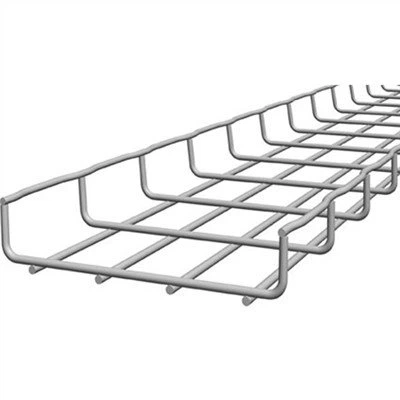
Wire mesh cable tray, also known as expanded metal cable tray, is a lightweight and economical cable management solution characterized by its open grid structure. Constructed from steel strips that are expanded to create a series of diamond-shaped openings, this type of tray offers excellent ventilation and allows for easy visual inspection of the cables it supports. Its design facilitates the dissipation of heat, which is crucial for preventing damage to cables. Wire mesh cable trays are typically galvanized or coated with a protective finish to enhance durability and resistance to corrosion, making them suitable for both indoor and outdoor applications. They are easily installed using brackets and can be cut or modified on-site to fit specific layout requirements, providing flexibility in cable routing and support.

 
Advantages of Wire Mesh Cable Tray
 
01/

Flexible and versatile design
Wire mesh cable tray provides maximum flexibility in cable routing and installation. Its open mesh design allows cables to be easily inserted, routed, and removed, making it suitable for a wide variety of cable management scenarios. Whether it's for indoor or outdoor applications, wire mesh tray can be customized to fit specific needs.

02/

Enhanced airflow and ventilation
The open mesh design of wire mesh cable tray allows for excellent airflow and ventilation, keeping cables cool and preventing heat buildup. This is particularly beneficial in high-temperature environments or where cables are prone to overheating.

03/

Lightweight and easy to install
Compared to other cable tray options, wire mesh tray is typically lighter in weight, making it easier to handle and install. It can be mounted to walls, floors, or ceilings using a variety of fasteners and supports, ensuring a secure and stable installation.

04/

Cost-effective solution
Wire mesh cable tray is often a more cost-effective option compared to other types of cable trays. Its lightweight construction and simplicity in design contribute to lower material and installation costs, making it an affordable choice for budget-conscious projects.

05/

Durable and long-lasting
Despite its lightweight construction, wire mesh cable tray is surprisingly durable and long-lasting. The wire mesh material is designed to withstand heavy loads and repeated use, ensuring reliable performance over time.

06/

Easy access and inspection
The open mesh design of wire mesh cable tray provides easy access to cables for inspection, maintenance, and repairs. This accessibility simplifies troubleshooting and ensures cables are always in good working condition.

Why Choose Us
 

High quality

Our products are manufactured or executed to a very high standard, using the finest materials and manufacturing processes.

Professional team

Our professional team collaborates and communicates effectively with each other, and is dedicated to delivering high quality results. We are capable of handling complex challenges and projects that require our specialized expertise and experience.

Quality control

We have built a professional quality control team to accurately inspect every raw material and every production process.

Competitive price

We offering a higher-quality product or service at an equivalent price. As a result we have a growing and loyal customer base.

Customized services

We understand that each customer has unique manufacturing needs. That’s why we offer customization options to cater to your specific requirements.

24H online service

We try and respond to all concerns within 24 hours and our teams are always at your disposal in case of any emergencies.

Types of Wire Mesh Cable Tray
 

Solid bottom wire mesh cable tray
This type of cable tray features a solid bottom, which provides excellent protection for cables against physical damage and environmental hazards. It is ideal for use in environments where cables need to be fully enclosed, such as in outdoor or industrial settings. Solid bottom wire mesh cable trays are also easier to clean and maintain than other types of cable trays.

Ladder type wire mesh cable tray
This type of cable tray has a ladder-like structure, with parallel bars connected by diagonal braces. It is lightweight and easy to install, making it a popular choice for use in commercial and residential buildings. Ladder type wire mesh cable trays are also ideal for use in environments where there is a risk of cable entanglement, as they provide ample space between the bars for cables to pass through.

Trough type wire mesh cable tray
This type of cable tray has a u-shaped channel that provides excellent protection for cables against physical damage and environmental hazards. It is ideal for use in environments where cables need to be fully enclosed, such as in industrial settings or outdoor areas. Trough type wire mesh cable trays are also easy to clean and maintain, making them a popular choice for use in cleanroom environments.

Perforated wire mesh cable tray
This type of cable tray features a perforated bottom, which allows for better ventilation and cooling of the cables. It is ideal for use in environments where cables generate a lot of heat, such as in data centers or industrial settings. Perforated wire mesh cable trays are also easy to clean and maintain, making them a popular choice for use in cleanroom environments.

Switched type wire mesh cable tray
This type of cable tray is designed for use in environments where there is a need to switch between different cable configurations or routes. It features a series of switches that can be operated manually or automatically to change the path of the cables. Switched type wire mesh cable trays are ideal for use in environments where there is a need to reconfigure or upgrade the electrical system frequently.

Hot Dipped Galvanized Wire Mesh Cable Tray


How to Store Wire Mesh Cable Tray

Cleanliness:Before storing, clean the wire mesh cable trays thoroughly to remove any dirt, dust, or debris that may have accumulated during use or transportation. Use a soft brush or compressed air to gently remove particles from the openings and surfaces. If necessary, wipe them down with a damp cloth, but avoid using harsh chemicals that could damage the protective finish.
Dryness:Ensure that the trays are completely dry before storing them. Moisture can cause rust or corrosion, particularly in uncoated metal or areas where the protective finish has been compromised. Inspect the trays for any signs of water damage, and allow them to air dry in a well-ventilated area if they have become wet.
Protective coating:Apply a thin layer of oil or a suitable corrosion inhibitor to the trays if they will be stored for an extended period. This will help prevent rust and maintain the integrity of the metal. Be sure to apply the coating evenly and avoid excess buildup, which could attract dirt or interfere with the structural properties of the tray.
Stacking:When stacking wire mesh cable trays, place them in a way that minimizes stress on the material and maintains stability. Do not stack trays too high, as this could create an unstable pile that could collapse and cause damage. Use spacers or separators between layers to distribute weight evenly and prevent bending or warping.
Orientation:Store the trays in a manner that allows them to maintain their shape and avoid unnecessary strain on the metal. It is often best to store them horizontally on a flat surface, with the weight distributed evenly across the width of the tray. If vertical storage is necessary, ensure that the trays are securely supported and do not lean against each other.
Avoid direct sunlight:Store the wire mesh cable trays in a location that is shielded from direct sunlight. Uv rays can fade paint or coatings over time, weakening the protective finish and increasing the risk of corrosion. If outdoor storage is unavoidable, consider using a tarp or cover to protect the trays from prolonged exposure to sunlight.
Temperature and humidity control:Ideally, store the wire mesh cable trays in a controlled environment with moderate temperature and low humidity levels. Extreme fluctuations in temperature or high levels of humidity can cause condensation and contribute to corrosion. If possible, use a dehumidifier or climate-controlled storage space to maintain optimal conditions.
Regular inspection:Periodically inspect the stored wire mesh cable trays to ensure that they remain in good condition. Check for any signs of rust, corrosion, or damage that may have occurred during storage. If any issues are detected, address them promptly to prevent further deterioration.

Application of Wire Mesh Cable Tray
 
1

Commercial buildings
In commercial environments such as offices, shopping centers, and hospitals, wire mesh cable trays are employed to organize and secure cables running through ceilings and along walls. These trays help in maintaining a clean and clutter-free appearance while ensuring that cables are safely contained and easily accessible for maintenance.

2

Telecommunications
The telecommunications industry relies heavily on wire mesh cable trays to support the vast array of cables needed for data transmission. From server rooms to data centers, these trays facilitate the organization of fiber optic cables, coaxial cables, and other communication lines, ensuring efficient signal flow and minimizing the risk of entanglement.

3

Industrial facilities
In industrial settings, wire mesh cable trays are utilized to manage the extensive network of cables required for automation, control systems, and power distribution. They are often found in manufacturing plants, refineries, and chemical processing facilities where they protect cables from potential hazards like mechanical damage, corrosion, and exposure to chemicals.

4

Outdoor applications
Wire mesh cable trays are suitable for outdoor installations, such as along the sides of buildings or within outdoor enclosures. Their open design allows for drainage, preventing water accumulation that could lead to corrosion or damage to the supported cables. Additionally, their galvanized or powder-coated finishes offer enhanced protection against weather elements.

5

Electrical infrastructure
Utilities and power generation facilities use wire mesh cable trays to route power cables safely and efficiently. The trays provide a sturdy platform for high-voltage cables, ensuring that they are kept away from physical obstacles and environmental hazards.

6

Transportation systems
In transportation hubs like airports, train stations, and subways, wire mesh cable trays are essential for managing the complex web of cables that power lighting, signage, and security systems. They contribute to the safe operation of these facilities by keeping cables organized and protected.

7

Retail and entertainment
Retail stores, malls, and entertainment venues benefit from the aesthetic appeal and functionality of wire mesh cable trays. They keep cables out of sight while still allowing for easy access, which is crucial for maintenance and upgrades.

Precautions When Using Wire Mesh Cable Tray

Load capacity
Always adhere to the load capacity specifications of the wire mesh cable tray. Overloading can lead to structural failure, potentially causing injury, damage to cables, and costly repairs. Calculate the total weight of the cables and accessories to be installed and select a tray with an appropriate load rating.

Installation safety
Securely fasten the cable tray to supporting structures using appropriate hardware. Loose connections can lead to instability, increasing the risk of accidents. Ensure that all installations are in compliance with local building codes and industry standards.

Cable management
Properly manage the placement and routing of cables within the wire mesh cable tray. Avoid excessive bending or tension on the cables, as this can damage them and reduce their lifespan. Use cable ties or lacing to organize and secure the cables neatly within the tray.

Environmental considerations
Protect the wire mesh cable tray from environmental factors that could compromise its integrity. Exposure to corrosive substances, extreme temperatures, or uv radiation should be mitigated through proper selection of materials and coatings, as well as through the use of protective covers when necessary.

Electrical safety
Keep all cables properly insulated to prevent electrical shorts or hazards. Ensure that the wire mesh cable tray does not become a grounding path for live wires, which could pose a shock hazard. Regularly inspect the cable tray system for any signs of wear or damage that could expose live conductors.

Access and maintenance
Provide adequate access points for maintenance and inspection of the cable tray system. Restricted access can hinder routine checks and emergency repairs. Ensure that access panels or covers are securely fastened when not in use.

Fire protection
If the wire mesh cable tray is being used in an environment with fire risks, ensure that it is compatible with the building's fire protection systems. In some cases, additional measures such as fireproofing or the use of non-combustible materials may be required.

Working at heights
When installing or servicing wire mesh cable trays at heights, follow strict safety protocols. Use appropriate personal protective equipment (ppe), such as harnesses and safety nets, to prevent falls. Ensure that all personnel working at height are trained and authorized to perform the task.

Compatibility with cable types
Verify that the wire mesh cable tray is suitable for the types of cables it will support. Different cable constructions may require specific tray designs to accommodate varying sizes, weights, and flexibility.

How Do I Choose the Right Wire Mesh Cable Tray
 

Application environment
The first step is to assess the environment where the cable tray will be installed. Factors such as temperature extremes, exposure to moisture, chemical corrosives, uv radiation, and mechanical damage all influence the type of material and construction needed for the cable tray. For example, stainless steel might be chosen for corrosive environments, while aluminum might be preferred for lightweight applications and good electrical conductivity.

Cable load capacity
Consider the weight of the cables that will be installed in the tray, including not only the current cables but also any future expansions. The cable tray must have sufficient strength and rigidity to support the load without deformation or failure. Overloading the tray can lead to structural issues and potential safety hazards.

Cable protection needs
Determine the level of protection required for the cables. If the cables need full enclosure due to environmental concerns or security reasons, a solid or perforated tray might be more appropriate. Conversely, if ventilation and ease of access are priorities, an open wire mesh design would be better suited.

Installation requirements
The design and complexity of the building or infrastructure will dictate the type of cable tray system that can be used. Some projects may require cable trays with a modular design that can be easily assembled on-site, while others might benefit from prefabricated sections that can be quickly installed. Also, consider the space constraints and whether overhead or floor-level installation is more feasible.

Expandability and flexibility
Projects evolve, and it's important to choose a cable tray system that can accommodate changes or expansions. A modular design allows for easy adjustments and additions, providing flexibility for future growth or alterations to the electrical system.

Aesthetic factors
Although functionality is paramount, the appearance of the cable tray can also be a consideration, especially in visible installations. Select a tray design that complements the surrounding architecture and does not detract from the overall aesthetic.

Production Methods of Wire Mesh Cable Tray
 

Weaving
Weaving is a traditional method of producing wire mesh cable trays. It involves interlacing metal wires or strips over a frame to create a mesh-like structure. This technique can be done manually or using automated looms. The weaving process allows for the creation of various patterns and densities, which can be tailored to meet specific load requirements and environmental conditions. The resulting wire mesh is lightweight yet strong and offers good ventilation for cables.

Welding
Welded wire mesh cable trays are produced by joining wire strands or rods at regular intervals using resistance welding or gas welding techniques. This method creates a rigid and durable structure that can support heavy loads and resist environmental stress. Welding ensures that the joints between the wires are secure, preventing any potential separation under load. Welded trays are often used in harsh environments where extra strength and stability are necessary.

Punching and bending
In this method, flat metal sheets are punched with holes to create the desired mesh pattern. The punched sheets are then bent or formed into the shape of the cable tray using press brakes or other forming equipment. This approach allows for precise control over the dimensions and shape of the tray. Punched and bent wire mesh cable trays offer a combination of strength and flexibility, making them suitable for a wide range of applications.

Extrusion
Extrusion is a modern manufacturing technique that involves pushing molten metal through a die to create a continuous profile. Wire mesh cable trays can be extruded from aluminum or other metals to produce seamless and uniform structures. Extrusion allows for complex geometries and precise tolerances, resulting in high-quality trays that are both aesthetically pleasing and structurally sound.

Roll forming
Roll forming involves passing a flat metal strip through a series of rollers that progressively bend it into the desired shape. This method is commonly used for producing long lengths of wire mesh cable trays with consistent profiles and minimal waste. Roll forming is highly efficient and can accommodate various materials, including steel, aluminum, and galvanized metal.

Bolted construction
In some cases, wire mesh cable trays are assembled from pre-fabricated components that are bolted or screwed together on site. This method allows for customization and adaptability, as trays can be tailored to fit specific project requirements. Bolted construction also facilitates easy maintenance and repair, as individual sections can be replaced or modified as needed.


What Are the Components of Wire Mesh Cable Tray

Wire mesh panels:These are the main structural elements of the cable tray. They are typically made from galvanized steel, stainless steel, aluminum, or other corrosion-resistant materials. The panels are constructed from a grid of intersecting wires or rods, which provide the necessary strength and ventilation for the cable system. The size and spacing of the wires can vary depending on the load capacity and the specific requirements of the project.
Support brackets:Brackets are used to attach the wire mesh panels to the building structure or supporting framework. They provide the necessary stability and ensure that the cable tray system remains securely in place. Support brackets can be fixed at various intervals along the length of the tray, depending on the span and load requirements.
Cable tray lids:Lids are optional components that can be placed over the top of the wire mesh panels to provide additional protection for the cables. They can be particularly useful in environments where there is a risk of dust, debris, or water ingress. Lids can be hinged or removable for easy access to the cables during installation and maintenance.
Turn corners and transition sections:These components are used to change the direction of the cable tray run or to transition between different heights or widths. Turn corners can be 90-degree, 45-degree, or other angles as required, while transition sections allow for smooth transitions between different tray sizes or configurations.
Drops and hangers:Drops are short sections of cable tray that extend downwards from the main run to provide support for branch circuits or to bring cables closer to the work area. Hangers are used to suspend the cable tray from the ceiling or other overhead structures. Both drops and hangers are essential for creating a complete and integrated cable management system.
Coupling clamps and connectors:Coupling clamps are used to join adjacent wire mesh panels together, ensuring a secure and leak-proof connection. Connectors are used to attach the ends of the cable tray runs to support brackets or other structural elements. These components provide rigidity and stability to the cable tray system.
Accessories and hardware:A variety of accessories and hardware items are available to enhance the functionality and adaptability of wire mesh cable trays. These include cable ties, straps, ladders, and cable guides, which help to organize and secure the cables within the tray. Additional hardware such as bolts, screws, and washers is used to fasten and secure the various components of the cable tray system.

Galvanized Wire Mesh Cable Tray
Can Wire Mesh Cable Trays Be Used in Industrial Plants?


Wire mesh cable trays are widely used in industrial plants due to their versatility, durability, and ability to accommodate various cable management requirements. These trays provide a robust platform for routing and supporting power, control, and communication cables throughout a facility. In industrial settings, where equipment and machinery often generate significant amounts of heat, vibration, and electromagnetic interference, wire mesh cable trays offer distinct advantages over other cable management systems. One of the primary reasons wire mesh cable trays are suitable for industrial plants is their open structure, which allows for excellent air circulation and cooling. This feature is essential in environments where cables may be subjected to high temperatures from nearby equipment. The free flow of air around the cables reduces the risk of overheating, thereby minimizing the potential for cable insulation breakdown and ensuring the integrity and longevity of the electrical system. In addition to thermal management, the open design of wire mesh cable trays facilitates easy visual inspection. Maintenance personnel can quickly inspect the cables for signs of damage, wear, or potential issues without having to dismantle large sections of the cable tray. This capability is particularly beneficial in industrial settings where downtime is costly, and prompt identification and resolution of problems are critical to maintaining operations. Wire mesh cable trays are also designed to withstand the harsh conditions typically found in industrial plants. They are constructed from materials such as galvanized steel, stainless steel, or aluminum, which provide exceptional resistance to corrosion and rust. This durability ensures that the cable trays can endure the corrosive substances, chemicals, and abrasive particles that are common in many industrial environments. Another advantage of using wire mesh cable trays in industrial plants is their ability to support heavy loads. These trays are engineered to carry significant weights, making them suitable for supporting not only the cables themselves but also additional components such as cable ladders, bridge supports, and even walkways in some cases. This load-bearing capacity allows for a comprehensive and integrated approach to cable management and facility infrastructure.

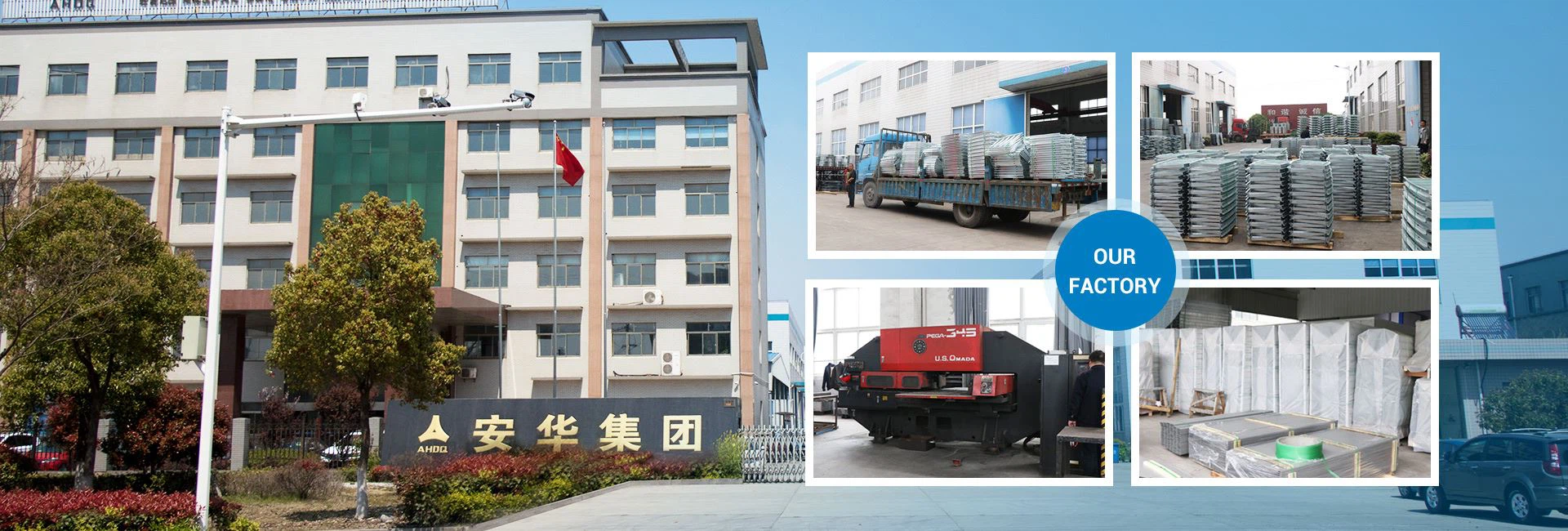
Our Factory
 

Our company –Anhua mainly produces cable trays, busways and etc. Our company is a provincial star enterprise, a secondary measurement enterprise and a super credit enterprise. In 2002, the company passed the ISO9001-2000 quality system certification. In 2005, the bus duct and switchgear passed the national 3C compulsory certification. In the same year, it obtained the certificate of "national electrical industry, assured quality and qualified products of national standards" from China Light Product Quality Assurance Center. The company has been rated as a "contract abiding and trustworthy" enterprise by provinces and cities for years.

productcate-1-1

 
certificate
 

productcate-1-1


FAQ


Q: What is a wire mesh cable tray?

A: A wire mesh cable tray is a type of cable management system made from wire mesh material. It is designed to support and organize cables in industrial or commercial settings.

Q: What are the main types of wire mesh cable trays?

A: The main types of wire mesh cable trays include straight sections, fittings, and accessories. Straight sections are the main components used to create the cable pathway, while fittings and accessories are used to create turns, bends, and connections.

Q: What are the applications of wire mesh cable trays?

A: Wire mesh cable trays are widely used in various applications, including data centers, commercial buildings, industrial plants, telecommunications, and transportation infrastructure.

Q: What are the benefits of wire mesh in cable tray construction?

A: Wire mesh provides excellent airflow, allowing for efficient cooling of cables and equipment. It is also lightweight, making it easy to handle and install. Additionally, wire mesh is flexible, allowing for customization and adaptability to different installation requirements.

Q: Can wire mesh cable trays be used in outdoor applications?

A: Yes, wire mesh cable trays can be used in outdoor applications. They are typically made from materials that are resistant to weather conditions, such as galvanized steel or stainless steel.

Q: Are wire mesh cable trays suitable for corrosive environments?

A: Yes, wire mesh cable trays are resistant to corrosion. They are often made from materials that are galvanized or coated to provide protection against corrosion in harsh environments.

Q: Can wire mesh cable trays be used in data centers?

A: Yes, wire mesh cable trays are commonly used in data centers. They provide a structured and organized pathway for cables, ensuring proper airflow, reducing cable congestion, and facilitating easy maintenance and access.

Q: Can wire mesh cable trays be used in commercial buildings?

A: Yes, wire mesh cable trays are suitable for cable management in commercial buildings. They provide a cost-effective and efficient solution for organizing and supporting cables in large-scale installations.

Q: Can wire mesh cable trays be used in telecommunications?

A: Yes, wire mesh cable trays are suitable for cable management in telecommunications. They provide a structured and organized pathway for cables in large-scale networks, ensuring proper support and facilitating easy maintenance and access.

Q: Can wire mesh cable trays be used in transportation infrastructure?

A: Yes, wire mesh cable trays are commonly used for cable management in transportation infrastructure, such as airports, train stations, or highways. They provide a reliable and durable solution for supporting and organizing cables in these complex environments.

Q: Can wire mesh cable trays be used in renewable energy facilities?

A: Yes, wire mesh cable trays are suitable for cable management in renewable energy facilities, such as wind farms or solar power plants. They can withstand outdoor conditions, resist corrosion, and provide secure cable support in these applications.

Q: Can wire mesh cable trays be used in cleanrooms?

A: Yes, wire mesh cable trays are commonly used in cleanrooms. They provide a clean and hygienic solution for supporting and organizing cables in controlled environments, ensuring safety and efficiency.

Q: Can wire mesh cable trays be used in laboratories?

A: Yes, wire mesh cable trays are suitable for cable management in laboratories. They provide a structured and organized pathway for cables, ensuring safety and facilitating easy maintenance and access.

Q: Can wire mesh cable trays be used in oil and gas facilities?

A: Yes, wire mesh cable trays are commonly used for cable management in oil and gas facilities. They can withstand harsh environments, resist corrosion, and provide secure cable support in these demanding applications.

Q: Can wire mesh cable trays be used in food and beverage facilities?

A: Yes, wire mesh cable trays are suitable for cable management in food and beverage facilities. They provide a clean and hygienic solution for supporting and organizing cables, ensuring compliance with food safety regulations.

Q: Can wire mesh cable trays be used in marine environments?

A: Yes, wire mesh cable trays can be used in marine environments. They are often made from materials that are resistant to saltwater and corrosion, making them suitable for offshore platforms, ships, or coastal installations.

Q: Can wire mesh cable trays be used in hazardous areas?

A: Yes, wire mesh cable trays can be used in hazardous areas. They can be designed to meet specific safety standards and resist fire, making them suitable for environments with flammable materials or explosive atmospheres.

Q: Can wire mesh cable trays be customized to fit specific needs?

A: Yes, wire mesh cable trays can be customized to fit specific requirements. They can be fabricated in various sizes, shapes, and configurations to accommodate different cable types, load capacities, or installation conditions.

Q: Are wire mesh cable trays easy to install?

A: Yes, wire mesh cable trays are relatively easy to install. They often come with pre-drilled holes and accessories for quick and efficient installation. However, professional installation is recommended to ensure proper support and cable management.

Q: Can wire mesh cable trays be used for cable management in mining operations?

A: Yes, wire mesh cable trays are commonly used for cable management in mining operations. They can withstand rugged and harsh environments, providing a reliable solution for supporting and organizing cables in these demanding applications.

As one of the most professional wire mesh cable tray manufacturers and suppliers in China, we're featured by quality products and good service. Please rest assured to wholesale customized wire mesh cable tray made in China here from our factory.

Stainless Steel Wire Mesh Cable Tray, pulling cable in cable tray, galvanised cable tray
goTop

(0/10)

clearall